


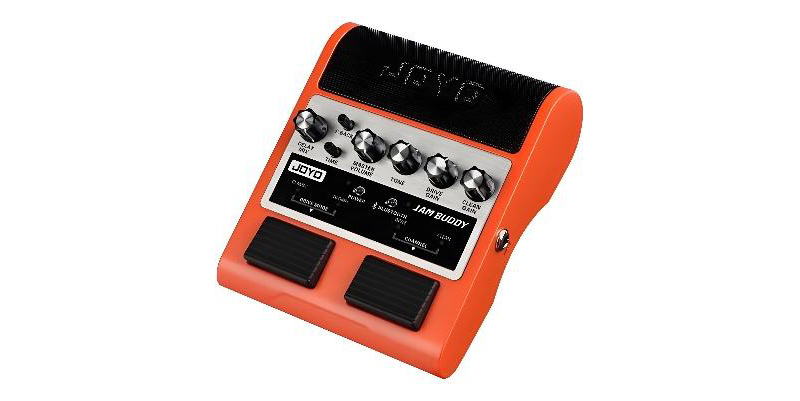
In the world of guitar electronics, even minor mechanical differences can affect ease of use and performance. Necklaces and potentiometers (also called potentiometers) must be precisely matched, but their dimensions and construction are not yet fully standardized across the industry. You need to understand the types of control pins on your guitar to purchase a perfectly matched necklace.
This article will explain the definitions of guitar necklace and potentiometer dimensions, their interactions, and the factors to consider when selecting components.
The Relationship Between Knobs and Potentiometers
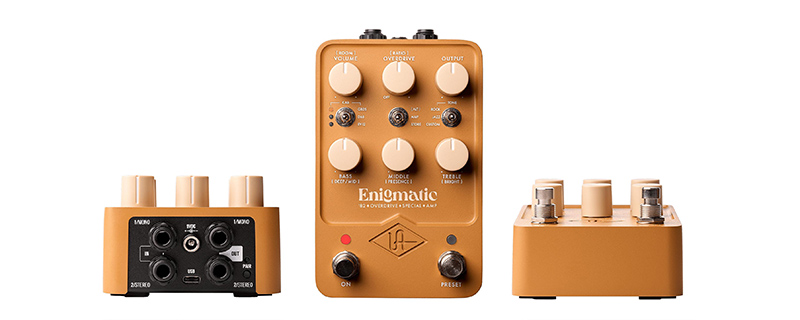
A potentiometer adjusts electrical resistance in a guitar circuit, controlling volume or tone. The knob is the external interface that allows the player to operate that control. Because the knob connects directly to the potentiometer shaft, their mechanical compatibility determines how stable and smooth the adjustment feels.
A mismatch can lead to installation difficulties, slipping knobs, or inconsistent control response. For this reason, shaft type and size should always be confirmed before assembly or sourcing.
What is a Control Shaft on a Guitar?

One of the most noticeable differences between potentiometers lies in their shaft design. Although these variations may appear minor, they directly determine which knobs can be used and how securely they will fit.
A control shaft is the part of a potentiometer that extends outward and connects to the knob. When a player adjusts volume or tone, the knob rotates the shaft, which changes the electrical resistance inside the potentiometer.
In most guitars, the potentiometer itself is hidden beneath a backplate or pickguard, so the shaft is usually the only visible part during normal use.
Many control shafts feature splines—small ridges around the outer surface. The number and shape of these splines define which type of knob will fit properly. Based on structure and size, guitar control shafts are generally divided into three main types: coarse splined, fine splined, and solid shafts.
Coarse Splined Control Shafts and Knobs
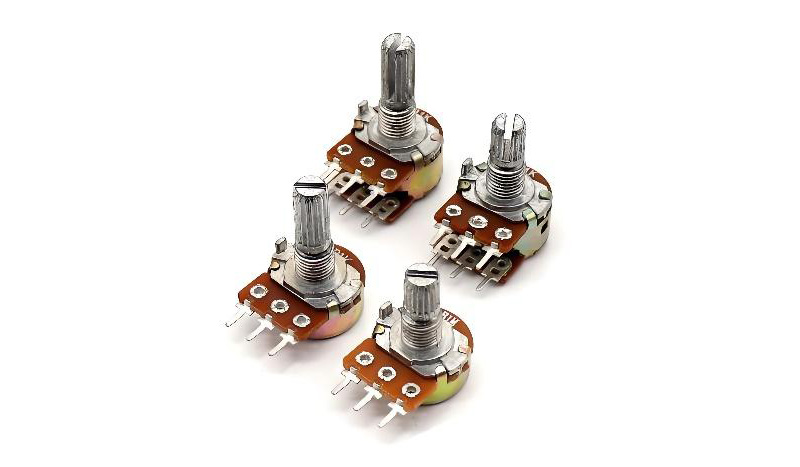
Coarse splined shafts are metric in size and are often referred to as metric or imported types. They are widely used in many mass-produced guitars and are commonly found in OEM manufacturing.
These shafts typically have a diameter of 6 mm and use a split design. Each side of the split contains 8 splines, resulting in 16 splines on the shaft itself. However, to ensure a secure fit, compatible knobs are designed with 18 internal splines to accommodate the split structure.
Because of this, knobs for this type are usually labeled as 18-spline knobs. If you are working with imported guitars, this is the most common specification you will encounter.
A simple way to identify the correct type is to remove an existing knob and count the splines on the shaft. This helps avoid mismatched components during replacement or assembly.
Fine Splined Control Shafts and Knobs
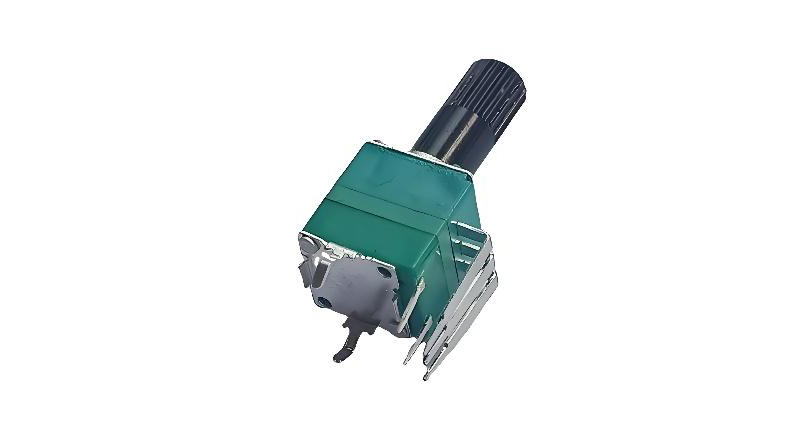
Fine splined shafts follow imperial measurements and are commonly used in components from U.S.-based manufacturers such as CTS and Bourns.
They have a slightly smaller diameter of approximately 0.235 inches (5.95 mm), along with a finer spline pattern. Each side of the split shaft contains 10 splines, giving a total of 20 splines on the shaft.
To match this structure, compatible knobs are designed with 24 internal splines. As a result, they are often referred to as 24-spline knobs.
Due to the smaller diameter and finer ridges, knobs designed for fine splined shafts will not fit properly on coarse splined shafts. Ensuring the correct match is important for both stability and long-term use.
This type of shaft is often used in guitars with higher-spec electronic components, where more precise control and tighter tolerances are required.
Solid Shaft Control Shafts and Knobs
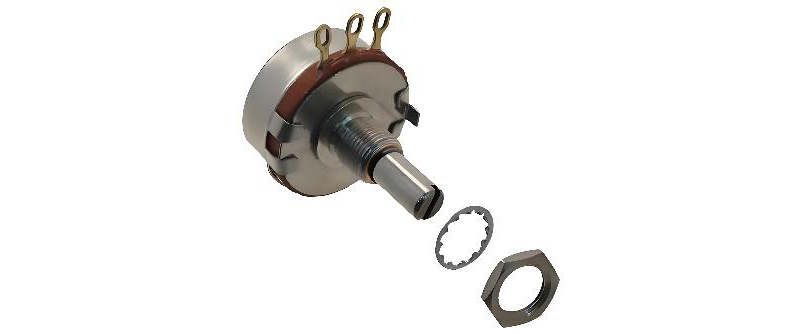
Solid shafts differ from splined designs in that they have a smooth, ridgeless surface without any splines. Instead of push-on knobs, they require knobs that are secured using a set screw.
These shafts typically have a diameter of 1/4 inch (6.35 mm), making them slightly larger than both coarse and fine splined shafts.
Because of their structure, only knobs designed for set-screw installation can be used. Push-on knobs intended for splined shafts will not fit securely on a solid shaft.
This design provides a firm and adjustable connection, making it suitable for applications where durability and repeated adjustments are expected.
Common Compatibility Issues
In production and sourcing, compatibility problems often result from mixing different standards or overlooking small details.
Typical issues include:
- Mixing metric and imperial shaft specifications
- Using knobs with incorrect spline counts
- Pairing push-on knobs with solid shafts
- Selecting the wrong shaft length for the guitar body
Even if parts can be assembled, mismatches can reduce durability and affect user experience over time.
Considerations for Manufacturers and OEM Buyers
For factories and suppliers, maintaining consistent specifications is essential. This includes clear identification of shaft types, accurate control of dimensions, and stable production tolerances. Providing matching knob and potentiometer combinations can also simplify assembly for OEM customers.
From a sourcing perspective, working with a manufacturer that offers both standard and customizable options helps improve efficiency. Clear communication of technical requirements reduces errors and supports smoother product development.
Bituo Electronics focuses on supplying compatible electronic components for guitar and audio applications, with attention to dimensional consistency and production reliability.
Conclusion
Guitar knobs and potentiometers may be small components, but their compatibility depends on precise mechanical and electrical alignment. Differences in shaft type, diameter, spline structure, and length all influence how these parts function together. At the same time, resistance values and taper types shape the tonal characteristics of the instrument.
By understanding these factors and applying consistent standards, manufacturers and buyers can reduce assembly issues, improve product reliability, and achieve more predictable performance in their products.