


Most drivers have used their car’s cigarette lighter socket to charge devices, power accessories, or connect small appliances. While originally designed for heating lighters, the cigarette lighter socket has become one of the most practical power sources in a car, providing easy access to electricity on the go.
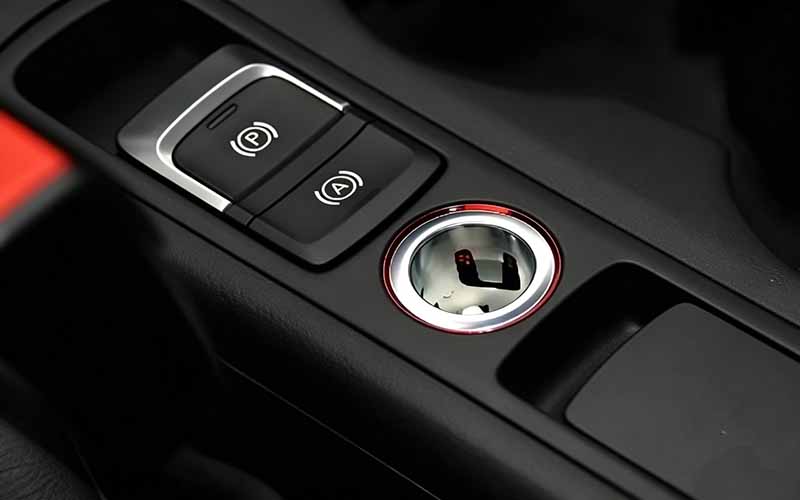
This article will explain what a cigarette lighter socket is, what devices can be connected, how it works, and how to use it safely. Whether you want to charge your phone, power a portable refrigerator, or inflate a tire, this article will help you understand the various options available.
What is a Car Cigarette Lighter Socket?
A car cigarette lighter socket is a built-in socket on the dashboard that draws power directly from the vehicle’s electrical system. In older cars, this socket was used to install a removable cigarette lighter. Today, it has become a universal power socket that powers many in-car accessories.
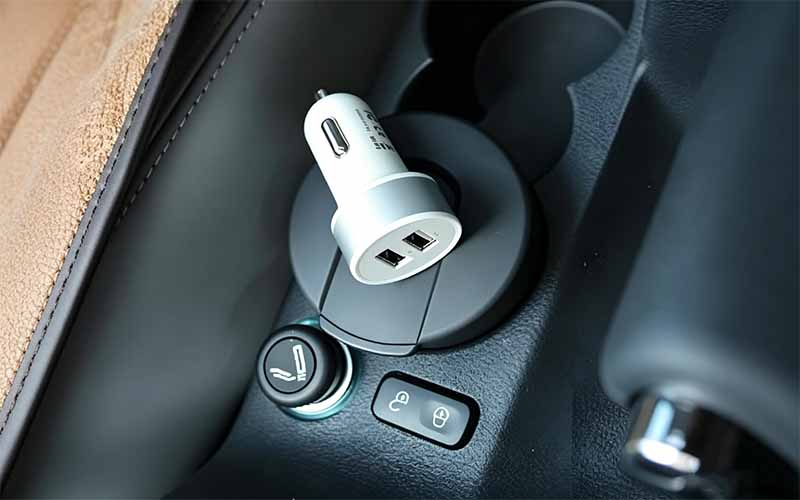
Most sockets in modern vehicles provide basic power for small electronic devices and accessories. Some vehicles also have other types of power sockets, such as USB ports. But the cigarette lighter socket remains one of the most common and widely used power sources in a vehicle.
How a Cigarette Lighter Socket Works?
The cigarette lighter socket connects to the vehicle’s electrical system, typically powered by the battery and alternator. When the engine is running, the alternator provides current to charge the battery and power accessories plugged into the socket.
If you use the cigarette lighter socket when the engine is off, the power still comes from the battery. This means you can use small devices even when the vehicle is parked. However, prolonged use of high-power appliances with the engine off can deplete the battery and even prevent the vehicle from starting.
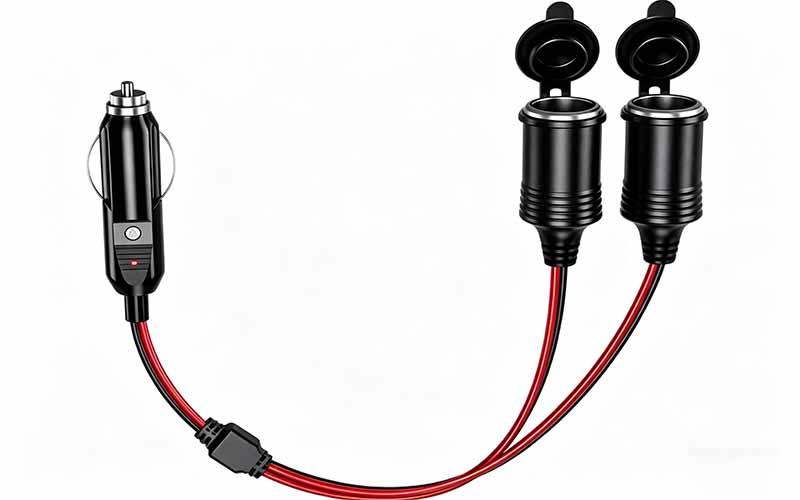
Most cigarette lighter sockets are equipped with a fuse. A fuse is designed to blow when the current is too high, thus preventing damage to the vehicle’s wiring and electrical components.
Common Things You Can Plug into the Cigarette Lighter Socket
A wide range of devices and accessories can be powered from the cigarette lighter socket. Below are some of the most common and practical uses.
Charging Phones and Tablets
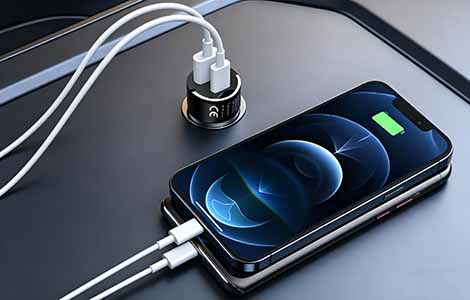
One of the most common uses for the cigarette lighter socket is charging mobile phones and tablets. With the right adapter, you can plug in a charger and keep your devices powered during long trips or daily commuting.
Portable charging adapters often include one or more ports so you can charge multiple devices at the same time. Some chargers also provide faster charging for compatible devices.
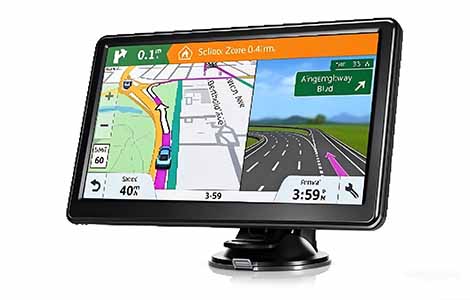
Powering GPS Units
Standalone GPS navigation units are still used by many drivers. These devices can be plugged directly into the cigarette lighter socket so they stay powered throughout your trip. This ensures you always have navigation without worrying about battery life.
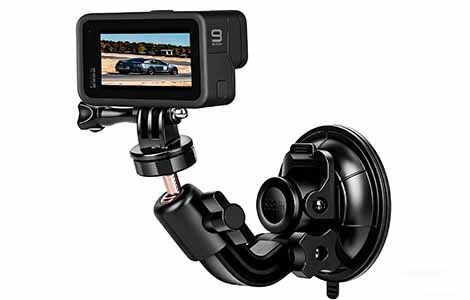
Running Dash Cameras
Dash cameras have become increasingly popular for recording your drive. These cameras typically draw low power and can be powered directly from the cigarette lighter socket. Some dash cameras are hard wired to the vehicle electrical system, but many are simply plugged into the socket for power.
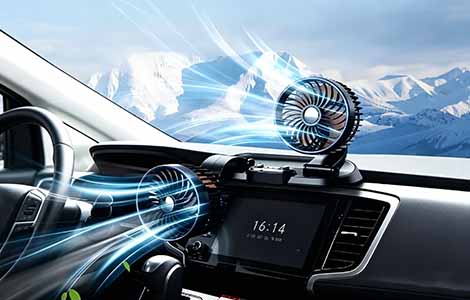
Running Small Fans or Heaters
Portable fans and small personal heaters can help improve comfort inside your vehicle. These accessories draw power from the cigarette lighter socket and can be used when the climate control system alone does not provide the airflow or warmth you want.
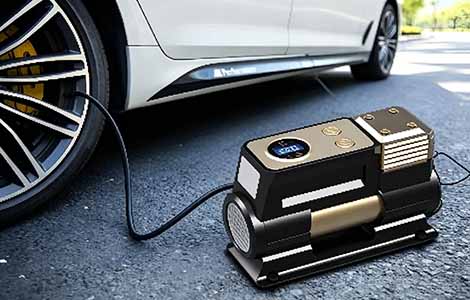
Using Tire Inflators and Air Compressors
Small tire inflators draw power from the cigarette lighter socket and can help inflate tires on the go. This is especially useful for emergency situations or seasonal tire pressure checks. Always check the power draw of the inflator to make sure it is within the socket rating.
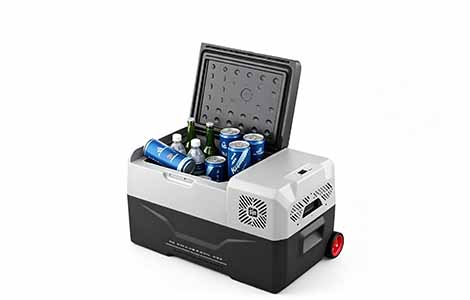
Operating Portable Refrigerators and Coolers
Portable refrigerators and coolers that are designed for car use can be powered from the cigarette lighter socket. These devices are great for long road trips, picnics, or camping. Make sure your vehicle’s power system can handle the load for an extended period.
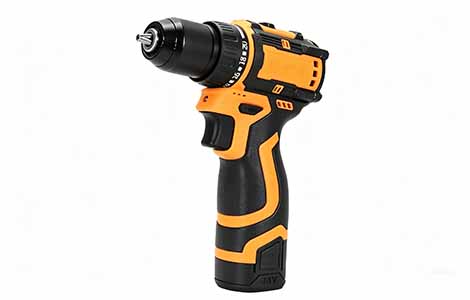
Running Small Power Tools
Certain low power tools, such as small lighting units or diagnostic tools, can be powered from the socket. These tools can be helpful for roadside repairs or inspections. Always check the power rating to ensure compatibility.
Less Common Uses for the Cigarette Lighter Socket
Beyond the most common accessories, the vehicle’s cigarette lighter socket can also be used to power various other devices, each serving specific needs. The following table highlights these less common, but highly practical uses:
| Device | Description | Power Requirements |
| Portable Vacuum Cleaners | Handheld vacuums designed for vehicles can be plugged into the socket. They are perfect for quick cleaning of seats, mats, and floors. | Low power usage, ideal for short use |
| Heated Blankets and Seat Warmers | Portable heated blankets and seat warmers that plug into the socket can provide comfort during cold weather drives. | Low to moderate power usage |
| Air Purifiers and Ionizers | Air purifiers that help improve air quality in the vehicle, especially useful during long drives or in areas with poor air quality. | Low power usage for constant operation |
| USB Adapters and Power Converters | USB adapters allow for multiple USB ports to charge devices like phones and tablets. Power converters can turn the socket into a household-style outlet for other devices. | Low to moderate power usage |
Safety Tips for Using the Cigarette Lighter Socket
While the cigarette lighter socket is convenient, you should use it responsibly to avoid issues.
Do Not Exceed the Power Rating
Every cigarette lighter socket has a power rating. If you plug in a device that draws more power than the socket can support, the fuse may blow, or the vehicle wiring could be stressed. Always check the device power requirement and compare it to the rating of the outlet.
Avoid Running High Power Loads with the Engine Off
Some accessories draw significant power. Running high power devices while the engine is off can quickly drain the battery. If you need to use such accessories for a long time, consider keeping the engine running or using a secondary power source.
Use Good Quality Cables and Adapters
Poor quality adapters and cables can cause shorts or poor connections. Use accessories from reputable sources that have the proper certifications. This helps prevent electrical problems and ensures a stable connection.
Keep the Socket Clean
Dust and small debris can accumulate inside the socket over time. This can interfere with the connection or cause poor contact. Periodically inspect the socket and clean it with a dry brush or compressed air if needed.
What to Check Before Plugging in a Device?
Before plugging any device into the cigarette lighter socket, take a few moments to inspect the outlet and accessory.
- Check for visible damage to the socket such as loose metal contacts or melted plastic.
- Check the adapter plug to make sure it fits firmly and is free of corrosion.
- Check the power rating of the device and adapter to make sure it is within the outlet’s capability.
- If you notice any unusual heat or smell while using the outlet, disconnect immediately.
Conclusion
The function of a car cigarette lighter socket has evolved significantly. Today, it’s a versatile power source, capable of charging a wide range of devices, powering in-car accessories, and supporting numerous devices that make your journeys easier and more comfortable.
By understanding which devices can be plugged into the cigarette lighter socket and how to use it safely, you can take full advantage of this feature. From charging your phone and powering your car refrigerator to powering an air pump and portable tools, the cigarette lighter socket is one of the most practical power sources in your vehicle.
For a variety of power accessories and adapters for car cigarette lighter sockets, visit BituoElec.com to find the ideal solution for your needs.