


Indicator lights are widely used in modern electrical and electronic systems to indicate device status with clear visual signals. These small yet powerful components help users quickly understand whether a circuit is active, inactive, or operating under specific conditions. From industrial control panels to home appliances, indicator lights enhance safety, ease of use, and efficiency in everyday applications.
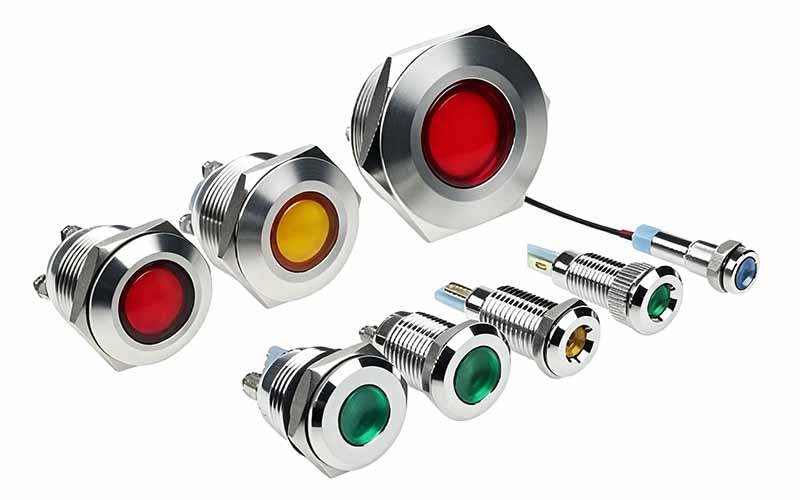
This article will introduce the definition, working principle, common types, applications, and how to choose the right solution for your needs for indicator lights.
What Is an Indicator Light?
An Indicator Light is a small visual signaling device that shows the status of a circuit or piece of equipment. It is typically mounted on a panel or integrated into a switch and illuminates when electrical current flows through the system.
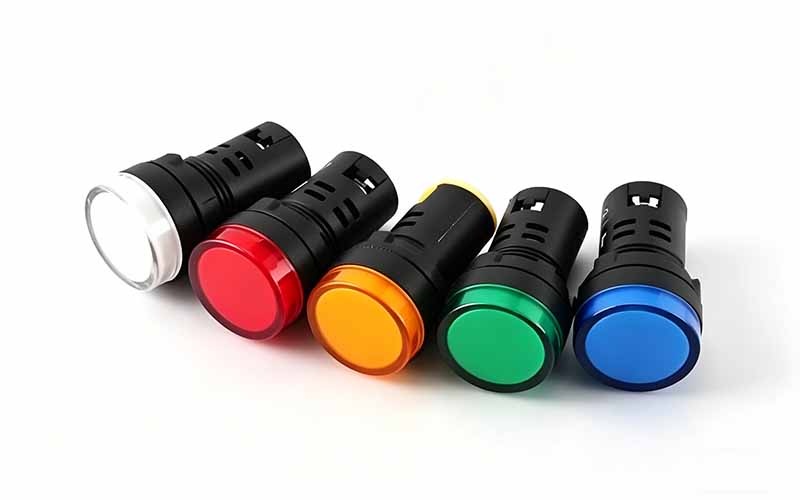 Unlike a standard switch that simply controls power, an Indicator Light provides feedback. This allows users to instantly see if a device is on, off, or in a specific operating state without needing to inspect the equipment directly.
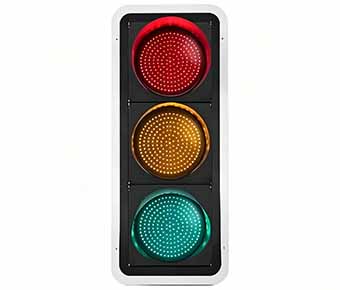
These lights are often color coded to represent different conditions. For example, green may indicate normal operation, while red may signal a warning or active state.
How Indicator Lights Work?
The working principle of an Indicator Light is simple and effective. When a circuit is activated, a small portion of electrical current is directed to the indicator light. This causes the light to illuminate, signaling that the circuit is live.
When the circuit is turned off, the flow of current stops and the indicator light goes out. This clear visual response allows users to quickly understand the status of the system.
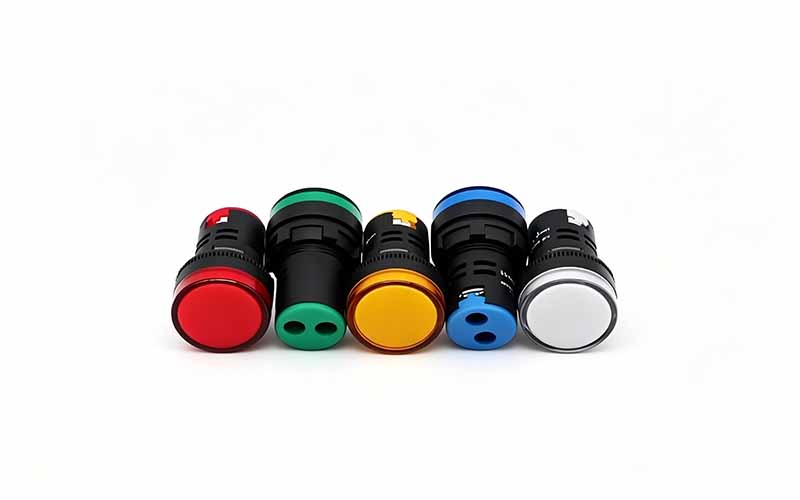 In many designs, the indicator light is connected in parallel with the load. This ensures that the light turns on at the same time as the connected device, providing an accurate representation of system activity.
Some advanced configurations allow the indicator to operate independently, showing readiness or standby conditions even when the main device is not active.
Key Functions of Indicator Lights
Indicator Lights play an important role in improving visibility, safety, and system awareness in electrical applications. The table below outlines their main functions and practical value.、
| Function | Description | Practical Value |
| Status indication | Provides a clear visual signal showing if a circuit or device is active or inactive | Helps users quickly confirm system operation without additional tools |
| Safety awareness | Displays when electrical power is present in a system | Reduces the risk of accidental contact with energized components |
| Operational visibility | Makes switches and controls easier to identify in low light environments | Improves usability and supports efficient workflow |
| Fault indication | Alerts users when a light does not turn on as expected | Assists in identifying issues such as wiring faults or power supply problems |
Common Types of Indicator Lights
Indicator Lights are available in several types, each designed for different applications and environments.
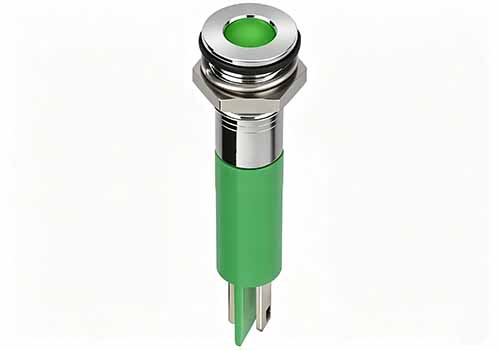
Panel mounted indicator lights: These lights are installed directly into control panels or equipment surfaces. They are commonly used in industrial machinery and control systems where operators need to monitor multiple functions.
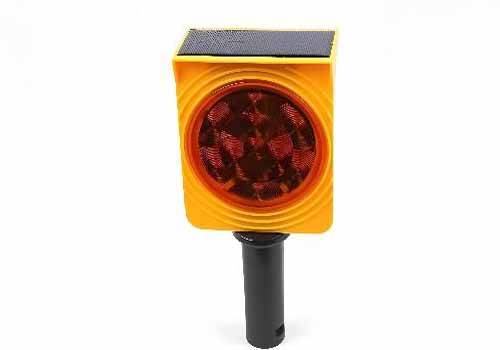
Integrated switch indicator lights: Some switches include built in indicator lights. These combine control and status indication in a single component, making them convenient for compact designs.
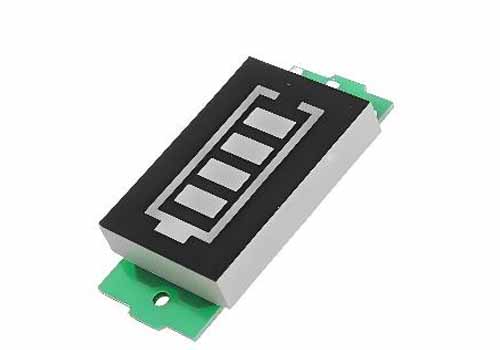
LED indicator lights: Light emitting diode based indicator lights are widely used due to their energy efficiency and long lifespan. They provide bright illumination while consuming minimal power.
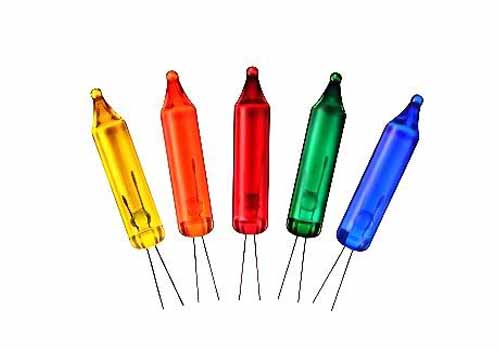
Neon and incandescent indicator lights: Traditional designs use neon or incandescent bulbs. These are still used in certain applications but are gradually being replaced by more efficient lighting technologies.
Applications of Indicator Lights
Indicator Lights are widely used across different industries to provide clear visual feedback on system status. Their ability to deliver instant information makes them valuable in both simple and complex electrical systems.

Industrial Control Systems
In industrial environments, Indicator Lights are commonly installed on control panels and machinery. They display information such as power status, machine operation, and system conditions.
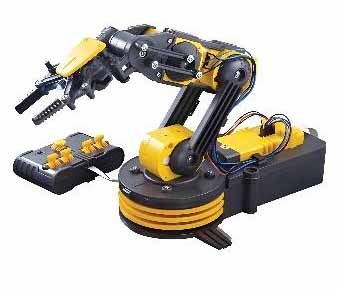
Improving Equipment Monitoring
Operators can quickly check whether equipment is running or stopped without needing additional tools or inspections. This helps improve efficiency and reduce downtime.

Supporting Safe Operation
By clearly showing when power is present, indicator lights help reduce the risk of accidental contact with active components.

Commercial and Building Systems
In commercial buildings, Indicator Lights are used in electrical panels, distribution systems, and lighting controls.

Simplifying Maintenance Work
Maintenance personnel can easily identify which circuits are active, making troubleshooting faster and more efficient.

Enhancing System Visibility
Clear visual signals help ensure that building systems are operating as expected, especially in large or complex installations.
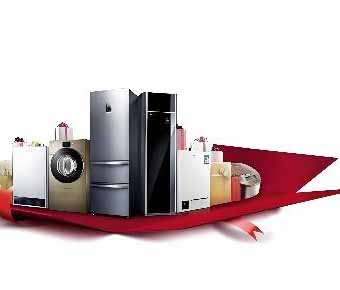
Household Appliances
Indicator Lights are widely used in everyday appliances such as ovens, heaters, and washing machines.

Providing Clear Operation Feedback
Users can quickly see when a device is powered on or in use, improving convenience and usability.

Improving User Safety
Indicator lights help prevent accidental contact with active appliances by showing when they are operating.
Automotive Applications
In automotive systems, Indicator Lights are used on dashboards and control panels to display system status and alerts.

Delivering Real Time Information
Drivers receive immediate feedback about vehicle conditions, such as system activity or warnings.
Supporting Driving Awareness
Clear visual indicators help drivers respond quickly to changes, improving overall safety on the road.
How to Choose the Right Indicator Light?
Selecting the right Indicator Light requires evaluating several practical factors to ensure reliable performance and long term use.
Voltage and Current Requirements
- Make sure the indicator light matches the electrical specifications of your system
- Using the correct rating helps prevent overheating and ensures stable operation
- Mismatched ratings may lead to early failure or inconsistent performance
Mounting Style
- Choose a mounting type that fits your equipment design and panel layout
- Panel mounted lights are ideal for control systems and industrial equipment
- Integrated designs are better suited for compact devices with limited space
Light Color and Visibility
- Select colors that clearly represent different system conditions
- Bright illumination improves visibility in both low light and high ambient light environments
- Consistent color coding helps reduce confusion and improves usability
Environmental Conditions
- Consider factors such as dust, moisture, and temperature exposure
- Choose indicator lights designed for harsh environments when needed
- Proper protection improves durability and reduces maintenance issues
Durability and Lifespan
- Look for products with stable performance over long periods of use
- High quality materials help extend service life and reduce replacement frequency
- Reliable construction ensures consistent operation even with frequent use
BituoElec Indicator Light Solutions
BituoElec offers a range of Indicator Light solutions designed for reliability and ease of use. These products are suitable for various applications, including industrial equipment, control panels, and electronic devices.
With options in different sizes, colors, and configurations, BituoElec products support flexible design requirements. Their durable construction ensures stable performance in demanding environments, while their clear illumination helps improve system visibility and user experience.
Whether you are designing a control system or upgrading existing equipment, BituoElec provides practical solutions that help enhance safety and operational efficiency.