



Building your own guitar pedal can be a rewarding and creative experience. Whether you’re a seasoned guitar enthusiast or just starting out, constructing your own stomp-box allows you to tailor your tone and build something truly unique. However, to get the best sound and functionality from your DIY pedal, it’s crucial to understand the components that make up the pedal, and why quality matters.
In this guide, we’ll walk through the essential parts of a guitar pedal and how each one plays a role in shaping your sound. Let’s dive in!
The Heart of the Pedal: The Switch
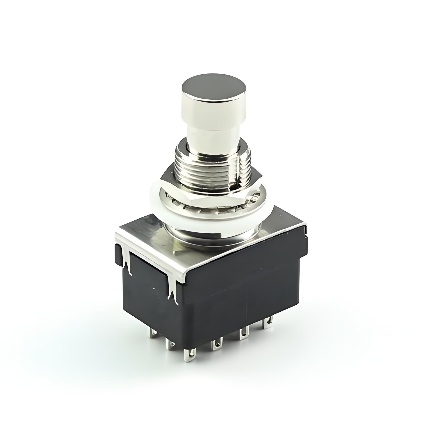
When you’re building a guitar pedal, the first thing you’ll need is a reliable switch. The 3PDT foot switch is often considered the “heart” of your pedal, as it controls the signal flow and determines whether the pedal is on or off. This type of switch is commonly used in true bypass pedals, which allow your signal to pass through without any tonal degradation when the effect is off.
Momentary vs. Latching Switches
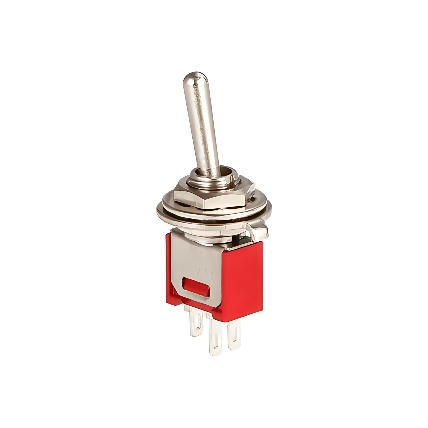
In effects pedal making, you’ll likely encounter two main types of switches: momentary switches and lockout switches. A momentary switch is only activated when pressed; once released, the signal is cut off. This type of switch is suitable for effects like “Tap Tempo,” or special functions where only a brief activation of the effect is needed.
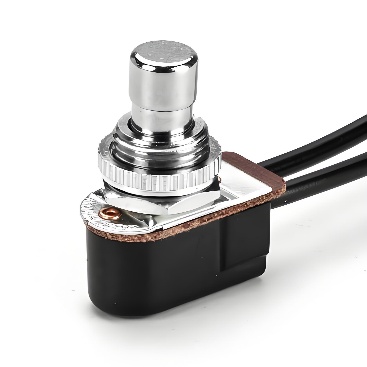
On the other hand, a lockout switch remains active and locked in place once pressed. This is the most commonly used type of switch in DIY effects pedals because it keeps the effect active until you press the switch again to turn it off. 3PDT foot switches often fall into this category; they have three poles and two throw points, enabling true bypass functionality.
The Ins and Outs: Choosing the Right Guitar Jacks
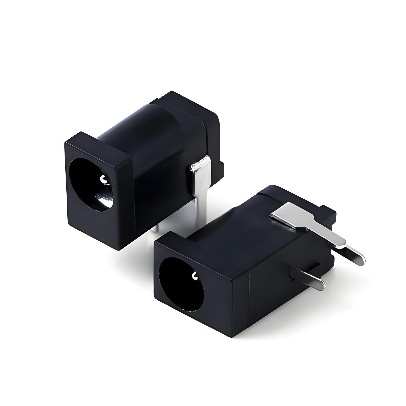
Next are the input and output interfaces. Guitars and amplifiers are connected through these interfaces. The most common interface for guitar effects pedals is the 6.35mm jack, which is the standard size for audio connections. Bituo jacks are known for their durability and robust construction, ensuring clear signal transmission without noise or interference.
Mono vs. Stereo Jacks
When choosing interfaces for your homemade effects pedals, you need to decide whether to use a mono or stereo interface. Mono interfaces are standard on most guitar effects pedals because they transmit only a single audio signal, making them ideal for most effects. Stereo interfaces, on the other hand, are used for more professional effects pedals, such as delay or chorus effects, which require stereo output to achieve a richer, more dynamic sound.
Most effects pedals typically use mono interfaces for both input and output, while stereo interfaces are more common for effects that require stereo effects or are used with stereo amplifiers. When building your effects pedals, always ensure that the interfaces are compatible with the circuitry requirements.
The Enclosure: Protecting the Circuit
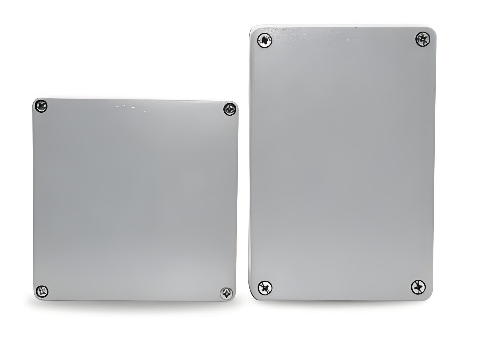
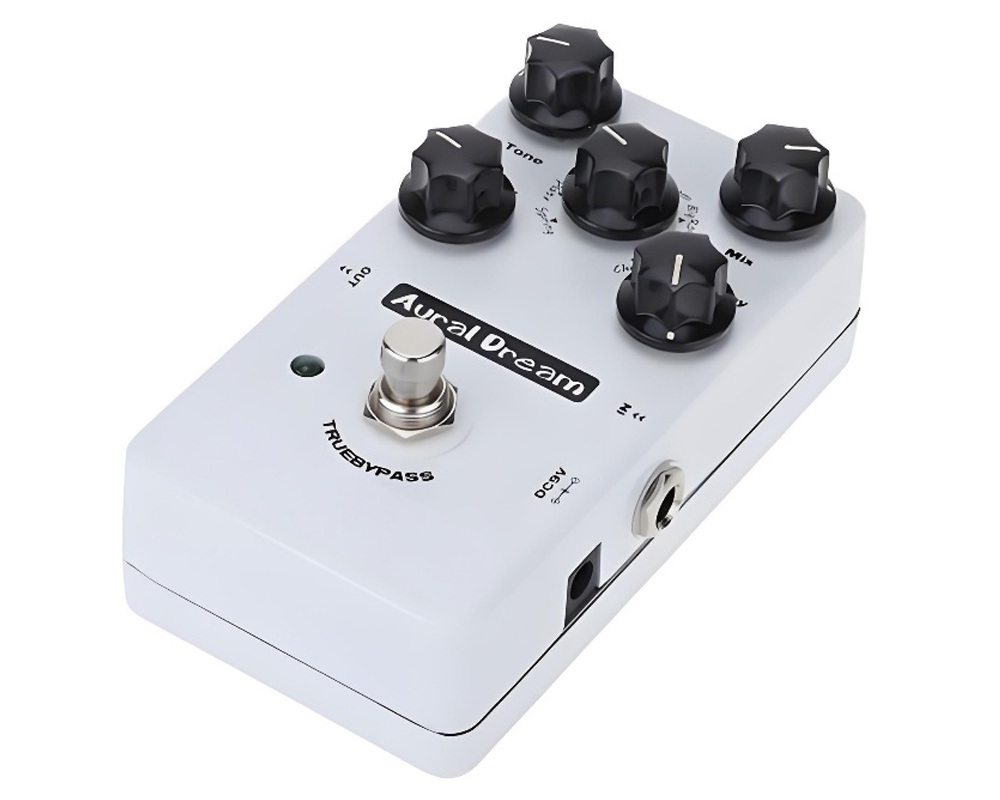
The housing is the container that houses all the internal components and gives the effects pedal its shape. Size is crucial when choosing a housing. It must accommodate all the components while ensuring the effects pedal is ergonomically designed. Housings come in various shapes and sizes, with the 1590B and 125B being among the most common models.
Impact of Enclosure Size on Layout
The 1590B is a smaller enclosure, which is ideal for simpler circuits or when you need a compact pedal for easy portability. On the other hand, the 125B offers more internal space, making it a better option for more complex builds or when you need extra room for components like large potentiometers, custom footswitches, or battery compartments.
Choosing the right size enclosure ensures that your circuit fits comfortably, and also helps with managing heat dissipation, which can affect the performance of your pedal. A properly sized enclosure can also affect the overall durability of the pedal, ensuring it can withstand the rigors of daily use.
Potentiometers & Knobs: Control Your Tone
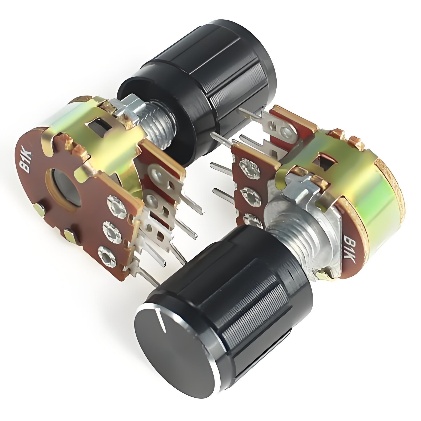
Potentiometers are the core components for adjusting effects pedal parameters. These elements control various aspects of effects, such as volume, gain, or tone. When building your own effects pedals, you’ll likely use at least one potentiometer to control these variables.
The most commonly used types of potentiometers in guitar effects pedals are linear and logarithmic potentiometers. Linear potentiometers have a uniform resistance change, making them ideal for effects requiring precise control, such as delay or modulation. Logarithmic potentiometers are typically used for volume control because the human ear perceives volume in a logarithmic manner. This makes logarithmic potentiometers ideal for smooth, progressive volume adjustments.
The Importance of Knobs
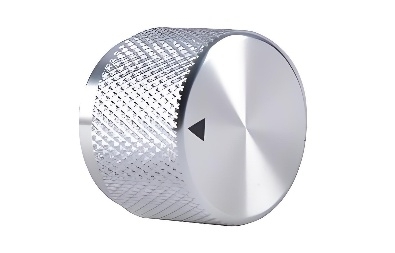
Knobs are the user interface of a potentiometer, allowing you to easily adjust pedal settings while playing. Choosing knobs that are easy to grip and adjust is crucial, especially in live performances where quick adjustments are required. Knobs come in various shapes and sizes, so you can customize the look and feel of the pedal while ensuring its functionality meets your needs.
Conclusion
Quality is everything when building your first DIY guitar pedal. You need high-grade components that can survive the rigors of live gigs and daily use. Selecting the right parts does more than just improve your tone. It guarantees your gear remains reliable for years to come.
Bituo’s guitar accessory collection is the perfect starting point for any builder. We offer ultra-durable 3PDT footswitches, rugged metal enclosures, and high-fidelity connectors. Bituo provides all the essential hardware you need to build a professional-grade pedal that fits your specific style.
DIY pedal building lets you customize your tone in ways commercial pedals simply can’t. You can move beyond off-the-shelf sounds and create something truly original. With the right components and a little creativity, you will build a unique pedal that perfectly captures your musical vision.