

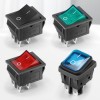


While often used interchangeably in casual conversation, the technical distinction between a socket and an outlet is critical for electrical system design and safety compliance. An outlet is defined by the NEC as any point where current is taken for utilization, whereas a socket is specifically the female interface designed to receive a plug. Understanding this difference is essential for accurate global sourcing and engineering specifications.
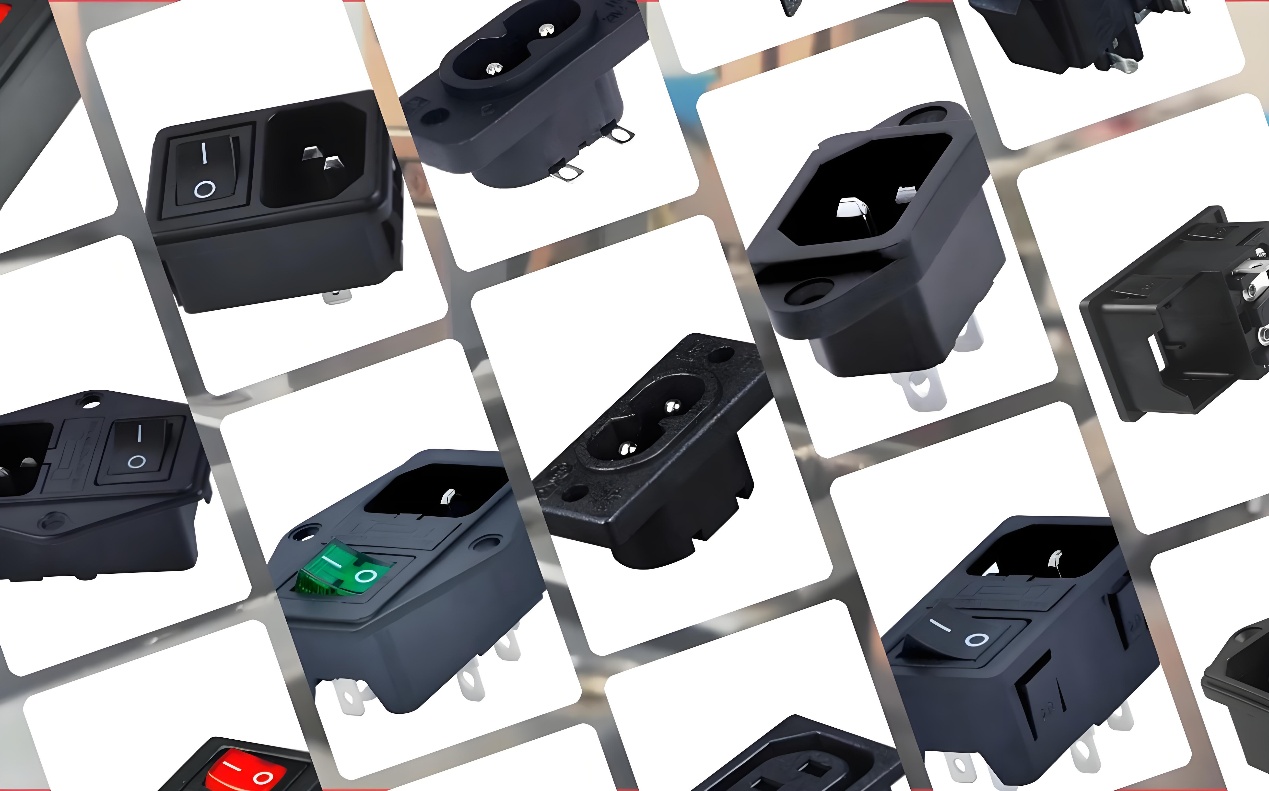
What is a Socket?
A socket is a device designed to hold and connect a plug to an electrical circuit, providing a pathway for electrical current. It is the part where you insert a plug (usually the end of a power cord). Sockets are typically installed in walls or other surfaces and come in various designs depending on the region and the type of device being connected.
Sockets can be classified based on the number of holes, voltage rating, and whether they are designed for certain types of plugs. For example, a standard household socket might have two or three holes for the pins of a plug, while industrial sockets can be larger and more complex to handle high-voltage equipment.
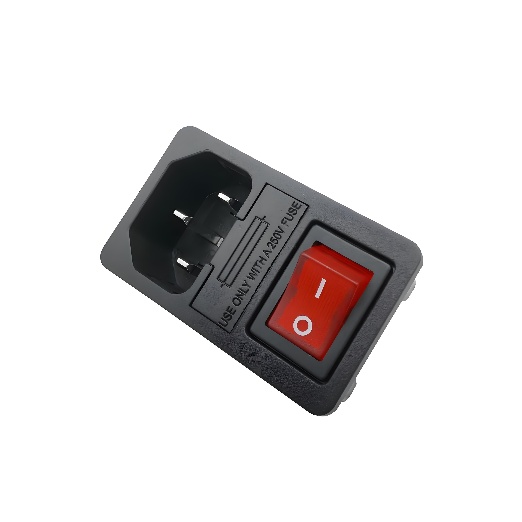

What is an Outlet?
An outlet refers to the physical point where electrical power is made available for use, often referred to as a power outlet. Essentially, an outlet is the entire system, including the socket, wiring, and the electrical connections that provide electricity to devices when a plug is inserted into the socket.
Outlets are installed in walls, floors, or ceilings and are designed to provide a safe connection point for electrical devices. In residential settings, outlets usually support devices like lamps, refrigerators, computers, and other household appliances. They are also made in various configurations, such as 120V or 240V, depending on the country’s electrical standards.
Key Differences Between a Socket vs. Outlet: The Technical Breakdown
Understanding the difference between these components is crucial for ensuring electrical safety and meeting international standards like IEC 60884-1. At Bituo, we specialize in high-performance electrical components that bridge the gap between these definitions.
| Feature | Electrical Outlet | Electrical Socket |
| Technical Role | Any power access point (System) | Female interface for plugs (Part) |
| Examples | Wall receptacles, Light fixtures | Wall sockets, Power strip inlets |
| Primary Goal | Power distribution | Electrical connection |
Types of Sockets and Outlets
The differences in socket and outlet designs can vary widely depending on regional standards, voltage requirements, and the types of appliances used. For example, some outlets are designed to handle high-power devices, while others are intended for low-power usage.
Below are a few examples of the types of sockets and outlets commonly available:
Power Sockets for Residential Use
Residential power sockets are typically designed for general-purpose use, supporting everyday household appliances. These outlets are usually 120V or 230V, depending on the country.
Two-Prong Sockets:
These are simple and commonly used for non-grounded devices.
Three-Prong Sockets:
These provide grounding for safety and are generally used for higher-power appliances.
At Bituo Electric, you can find high-quality power sockets designed for residential use. For example, our double power sockets feature two individual outlets in one housing, perfect for powering multiple devices simultaneously. Additionally, their multi-functional power sockets combine USB ports, ensuring you can charge your mobile devices alongside traditional appliances.
Industrial Power Sockets
For industrial environments, power sockets must meet higher standards to accommodate large equipment and machinery. These sockets are designed to handle high-voltage loads and are built with durability in mind.
Heavy-Duty Sockets:
These are used for industrial machines, ensuring a secure connection that can handle heavy electrical loads.
Weatherproof Sockets:
Installed in outdoor or wet environments, weatherproof sockets are designed to protect against moisture and corrosion.
Bituo Electric offers a range of industrial-grade power sockets that include features such as IP ratings for water resistance, making them ideal for environments exposed to extreme conditions.
USB Power Sockets
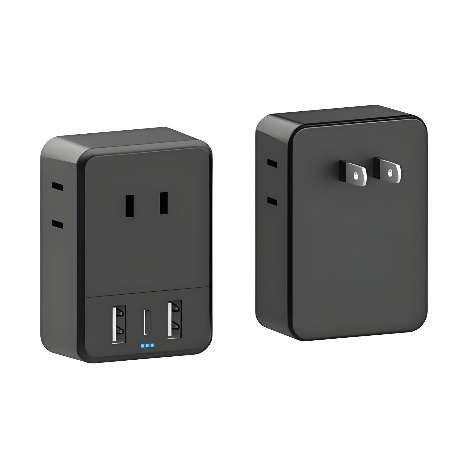
Modern power outlets often include integrated USB charging ports, which are highly useful in residential and commercial spaces where mobile devices need frequent charging. These sockets allow users to charge smartphones, tablets, and other electronics without needing a separate adapter.
Bituo Electric’s USB power outlets combine traditional power sockets with USB ports, allowing for a more streamlined and organized charging station. This type of outlet is perfect for both home and office use, ensuring convenience and versatility.
Frequently Asked Questions (FAQ)
Yes. According to the NEC, a light fixture is a “lighting outlet” because it is a point where the wiring system provides current to a piece of equipment, even though it doesn’t have a plug-in socket.
In the UK, “socket” or “power point” is the standard term. Using “outlet” might lead to confusion among local contractors who associate it more with specialized exit points.
Poorly manufactured sockets have high contact resistance, which leads to overheating, melting, and potential electrical fires. Always look for UL or CE-certified components from reliable manufacturers like Bituelec.
The IEC uses the term “Socket-outlet” to define a fixed or portable device having socket-contacts intended to be engaged with the pins of a plug.
Conclusion
Understanding the nuances between sockets and outlets ensures both safety and efficiency in your electrical designs. Confused about which standard to use for your next global project? Our engineering team at Bituelec provides complimentary technical support and high-performance component sourcing.
Understanding the distinctions between the two can help when choosing the right type of socket or outlet for your needs, whether residential, commercial, or industrial.
Selecting the right socket component is the first step toward a reliable electrical product. Bituelec provides a wide range of industrial-grade sockets, USB charging outlets, and customized electrical interfaces tailored for global markets.