


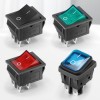
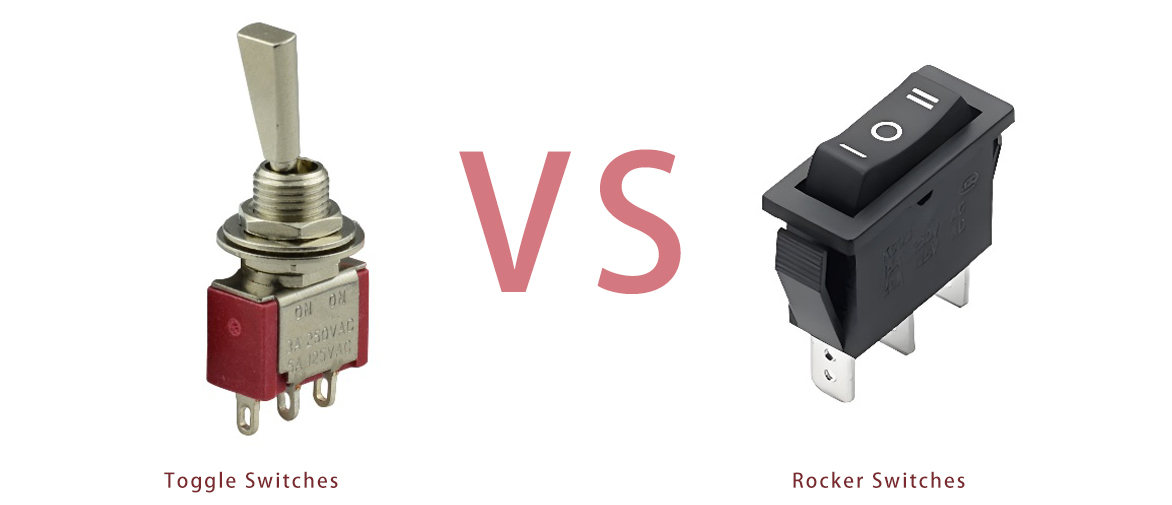
When designing or upgrading electrical systems, choosing the right switch type affects the system’s ease of use, lifespan, and overall performance. Toggle switches and rocker switches are two common choices, each with unique characteristics suitable for different applications.
This article will compare toggle switches and rocker switches from several key aspects: design and mechanics, function, durability, aesthetics, application, installation, cost considerations, and how to choose the right switch.
Design and Mechanism
Toggle Switch Design
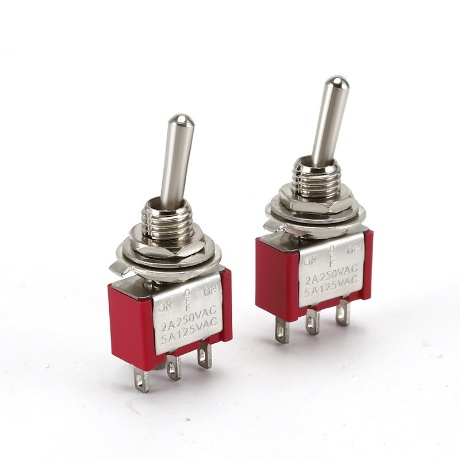
Toggle switches are one of the oldest and most recognizable mechanical switches. They feature a lever or shaft that pivots up and down to open and close a circuit. Typical toggle switch variants include SPST, DPDT, and multi-position toggle switches, depending on the number of poles and throws.
The internal mechanism of a toggle switch relies on a physical contact that moves with the lever to connect or break electrical pathways. A simple single-pole, single-throw (SPST) toggle switch, for example, completes the circuit when flipped to the “on” position and breaks it when flipped “off”.
Rocker Switch Design
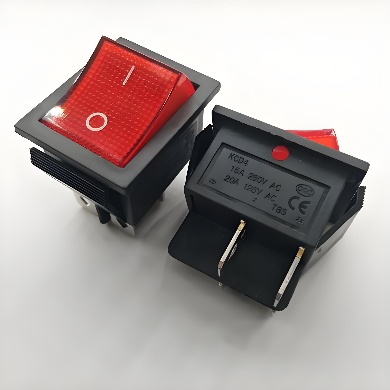
Rocker switches operate with a rocking motion over a pivot point. Pressing one side of the switch panel moves the internal contact to complete the circuit, and pressing the other side breaks it.
Rocker switches often have a flatter profile than toggle switches and are commonly used in modern equipment where aesthetic and compact design matters.
Rocker switches are usually maintained switches, meaning they stay in the selected position until changed. They can also include illumination elements that light up when the switch is in the “on” position.
Functionality And Ease Of Use
Toggle Switch Functionality
Toggle switches provide a clear physical motion with a noticeable mechanical feel. Users often appreciate the firm “flip” action, which makes it easy to sense whether a circuit is on or off without relying solely on visual indicators. This tactile feedback is valuable in environments where users operate switches by feel.
Toggle switches are often used for manual control systems, automotive circuits, and industrial machinery, where a distinct physical action is important.
Rocker Switch Functionality
Rocker switches offer a smooth press-to-activate experience. Their design often includes labeling or an illuminated element that clearly indicates the switch position. Many users find rocker switches easier to operate with a simple thumb press, especially in dashboard or panel applications.
Rocker switches are common on consumer electronics, power strips, and vehicle dashboards due to their ergonomic operation and clear on/off presentation.
Durability And Maintenance
Toggle Switch Durability
Toggle switches are generally known for their mechanical strength. Their internal contacts and lever design can endure frequent use and resist wear. In industrial environments, heavy-duty toggle switches are often chosen because they can handle higher currents and harsher conditions.
However, because toggle switches have exposed or protruding levers, they may be more prone to physical damage if not protected within an enclosure.
Rocker Switch Durability
Rocker switches typically have a low-profile design with fewer exposed parts, which reduces the risk of accidental damage. Many rocker switches also offer sealed versions that protect against dust and moisture, especially valuable in automotive or marine applications.
Rocker switches with illuminated elements may require additional electrical considerations for the light circuit, but these features do not generally compromise overall durability.
Aesthetic and Style
The visual presence of switches can matter in consumer products, dashboards, and architectural applications.
Toggle switches tend to have a classic, industrial look. Their visible levers create a vintage or technical aesthetic that suits machinery, control panels, and rugged equipment.
Rocker switches provide a sleeker, modern appearance. They integrate cleanly into panels and housings, and illuminated rocker switches add a functional yet refined visual cue for users.
In environments where design and user interface matter, such as home automation, marine consoles, and automotive interiors, rocker switches often provide a more polished look.
Applications
Both toggle switches and rocker switches are versatile but tend to align with different use cases.
Toggle Switch Use Cases
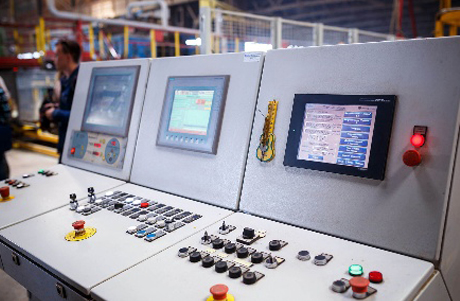
Industrial control panels where mechanical feedback is important

Automotive circuits, especially for auxiliary functions like winches or driving lights

Heavy machinery, where rugged mechanical operation is preferred
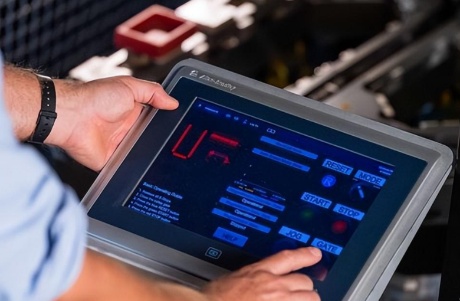
Multi-position toggle circuits, such as function selectors or mode controls
Toggle switches are often selected for applications where users need a strong physical action and where environments may subject switches to heavy use.
Rocker Switch Use Cases
- Consumer electronics such as power strips and appliances
- Automotive dashboards for headlights, fans, and accessories
- Marine applications, especially with sealed or marine-rated rocker switches
- Industrial equipment panels that require a low profile and clear status indication
Rocker switches are popular in modern systems where intuitive use and visual feedback are priorities.
lnstallation Considerations
Wiring and Mounting
Toggle switches and rocker switches both require compatible panel cutouts and secure mounting.
- Toggle switch wiring usually involves direct connection to terminals or quick-connect tabs. Proper strain relief and secure mounting are critical in vibration-prone environments.
- Rocker switch wiring can be similar but may include additional terminals for illumination circuits. Installation often involves snapping the switch into a panel cutout and securing wiring with crimp connectors or solder.
Whether using toggle or rocker switches, always ensure that terminals and wiring comply with the circuit’s voltage and current ratings. Improper wiring can lead to poor performance or premature failure.
Environmental Protection
For environments with moisture, dust, or vibration exposure, sealed or specialized versions of both switches are available. Marine rocker switches often come with IP-rated sealing against water ingress, while industrial toggle switches may include boot covers or enclosures for protection.
Cost Considerations
The price difference between toggle switches and rocker switches usually reflects functionality and manufacturing quality, not just the switch type.
- Standard toggle switches are often economical and durable, especially suitable for basic on/off applications.
- Rocker switches, if equipped with lighting or environmental protection features, may be slightly more expensive.
In either case, choosing the appropriate switch based on the application’s electrical and environmental requirements helps avoid unnecessary replacements and long-term maintenance costs.
How to Choose the Right Switches?
Choosing between toggle and rocker switches depends on user interaction, electrical requirements, installation environment, and design preferences. Rocker switches are often favored for ergonomic operation and modern panel integration, while toggle switches provide stronger mechanical feedback and suit rugged applications.
Always match voltage and current ratings to the circuit and consider environmental exposure to ensure reliable, long-term performance.