


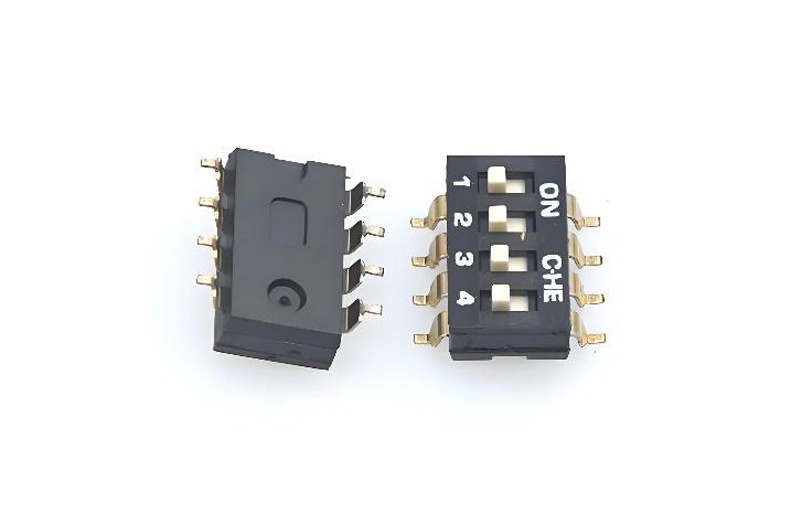
In electronic systems, DIP switches provide crucial control functions. Despite their small size, they offer a simple and reliable hardware configuration method, eliminating the need for software or digital interfaces.
This article will introduce the definition, working principle, main types, and practical applications of DIP switches.
What Is a DIP Switch?
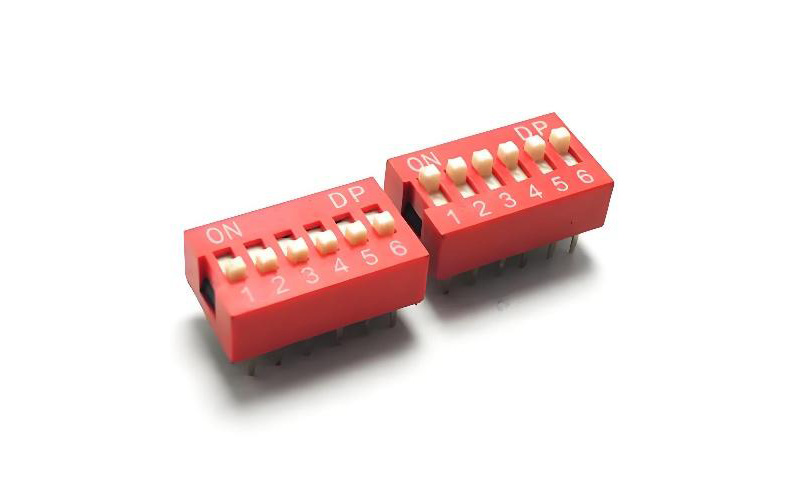
A DIP switch, or Dual In-line Package switch, is a group of small manual switches integrated into a single unit. It is designed to be mounted directly onto a printed circuit board (PCB), with pins arranged in two parallel rows similar to an integrated circuit.
Each individual switch can be set to an ON or OFF position, allowing users to open or close electrical circuits. By combining multiple switches, different configuration states can be created, often representing binary values that define how a device operates.
Because DIP switches are mechanical, their settings remain fixed until manually changed. This makes them suitable for applications where stable and repeatable configuration is required.
How DIP Switches Work?
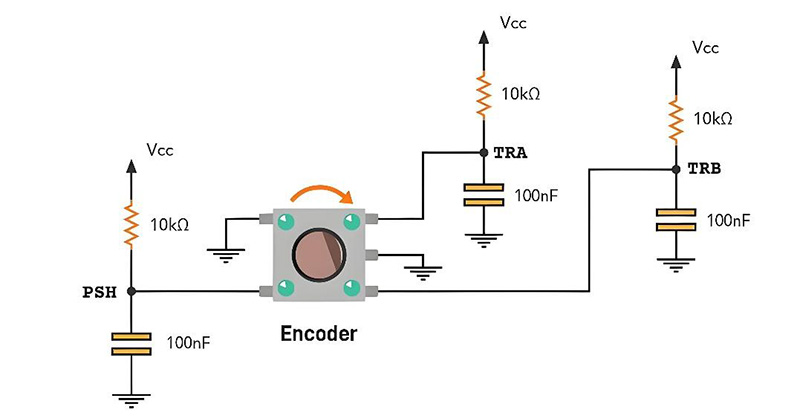
The operation of a DIP switch is based on a simple electrical principle. Each switch controls whether a circuit is connected or disconnected. When switched ON, the circuit is closed and current flows; when switched OFF, the circuit is open.
Inside the system, a controller reads the position of each switch, usually during startup, and adjusts the device’s behavior accordingly. In many designs, these positions are interpreted as binary signals, allowing multiple switches to define a range of settings such as addresses or operating modes.
Main Types of DIP Switches
DIP switches are available in several forms, mainly differing in how they are actuated and how users interact with them.
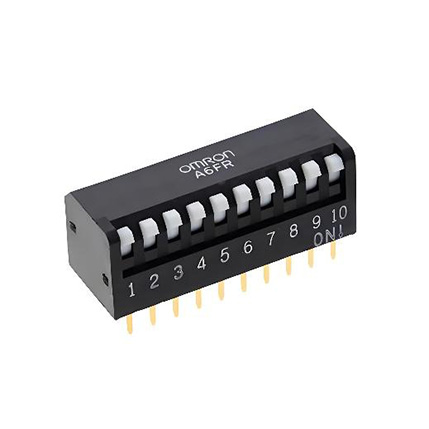
Slide and Piano DIP Switches
Slide and piano types are among the most commonly used designs. Slide switches are operated by moving a small actuator horizontally, while piano switches are pressed vertically like keys.
Both designs are widely used in compact circuit boards because they are easy to integrate and offer reliable operation. The choice between them usually depends on available space and user preference for interaction.
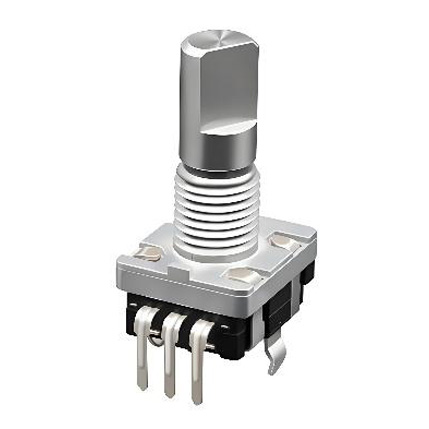
Rotary DIP Switches
Rotary DIP switches use a rotating dial instead of multiple small toggles. Each position corresponds to a specific value, making them suitable for applications where multiple settings need to be selected quickly.
They are often used in industrial equipment or communication systems where clear visual indication of the selected setting is important.
Other Variations
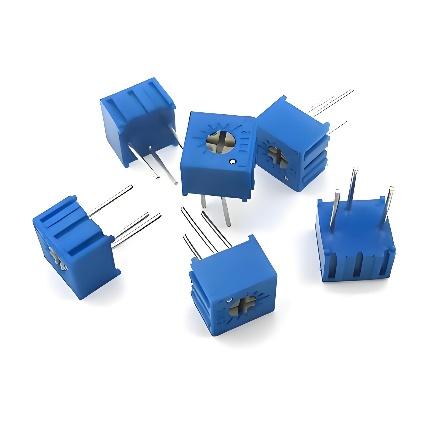
In addition to the common types, some DIP switches provide extended functionality. These include designs with more than two positions or configurations that allow switching between multiple circuits.
Such variations are typically used in more complex systems where additional flexibility is required.
Common Uses of DIP Switches
DIP switches remain widely used across different industries due to their simplicity and reliability.
One of their primary uses is hardware configuration. They allow engineers to set parameters such as operating modes or feature options without modifying software. This is particularly useful during manufacturing or maintenance, where quick adjustments are needed.
Another common application is address setting in systems with multiple devices. By assigning a unique combination of switch positions, each device can be identified within a network. This approach is frequently used in industrial control systems and communication equipment.
DIP switches are also found in embedded systems and consumer electronics where fixed settings are preferred. In these cases, they provide a dependable method for defining system behavior without requiring user interfaces or programming tools.
BITUO DIP Switches
BTDS Series
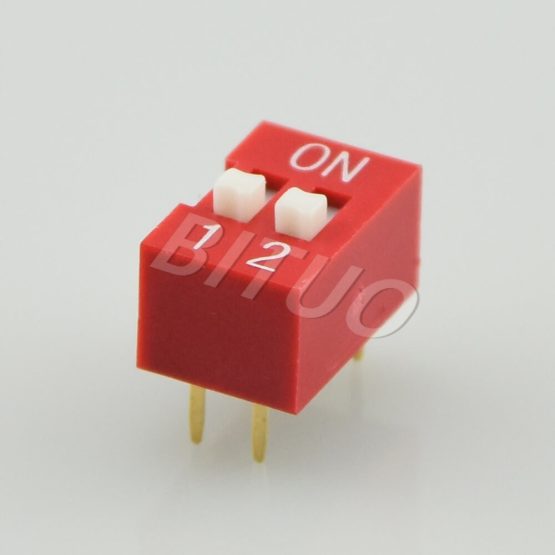
- Rating: 25mA 24VDC
- Gap Distance: 2.54mm
- Switch Function: OFF-ON
- Operating Temperature: -25℃~+70℃
- Operating Force: 8N Max
- Installation Mode: PCB
- Electrical Life: 2.000 Cycles
- Posi No: 1,2,3,4,5,6,7,8,9,10,12
- Contact Resistance: ≤500mΩ
- Insulation Resistance: ≥100MΩ
- Dielectric Strength: 500VACmin
- OEM or ODM: Available
BTDP Series
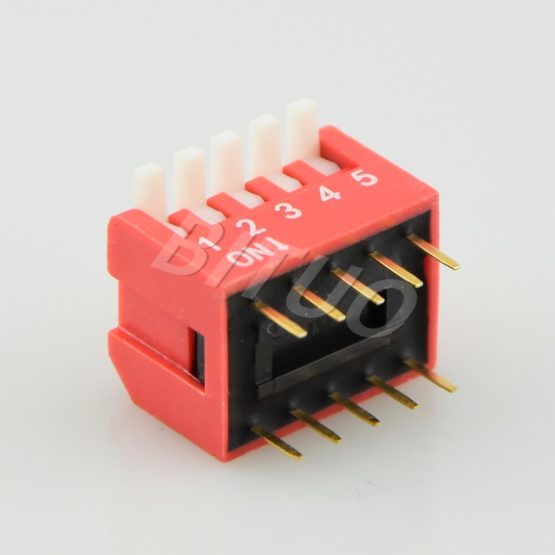
- Rating: 25mA 24VDC
- Gap Distance: 2.54mm
- Switch Function: OFF-ON
- Operating Temperature: -25℃~+70℃
- Operating Force: 8N Max
- Installation Mode: PCB
- Electrical Life: 2.000 Cycles
- Posi No: 2,3,4,5,6,7,8,10,12
- Contact Resistance: ≤500mΩ
- Insulation Resistance: ≥100MΩ
- Dielectric Strength: 500VACmin
- OEM or ODM: Available
BTDA Series
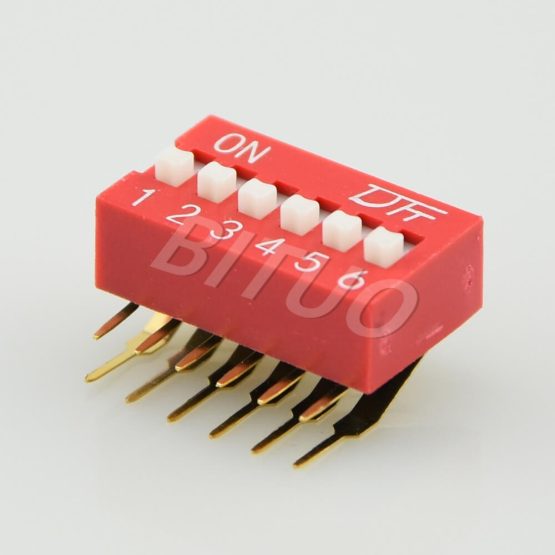
- Rating: 25mA 24VDC
- Gap Distance: 2.54mm
- Switch Function: OFF-ON
- Operating Temperature: -25℃~+70℃
- Operating Force: 8N Max
- Installation Mode: PCB
- Electrical Life: 2.000 Cycles
- Posi No: 2,3,4,5,6,7,8,10,12
- Contact Resistance: ≤500mΩ
- Insulation Resistance: ≥100MΩ
- Dielectric Strength: 500VACmin
- OEM or ODM: Available
BTDI-R Series
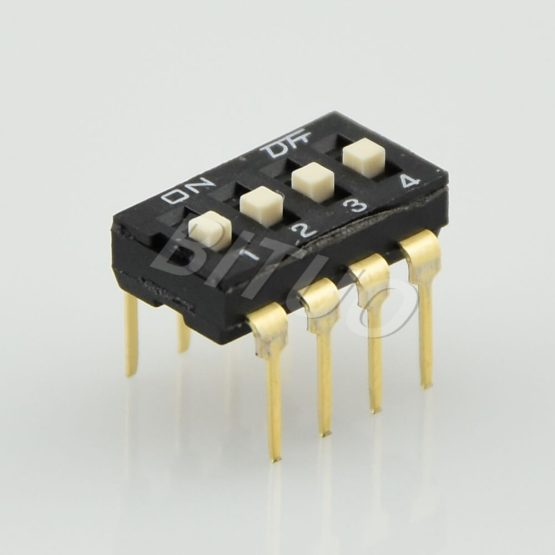
- Rating: 25mA 24VDC
- Gap Distance: 2.54mm
- Switch Function: OFF-ON
- Operating Temperature: -25℃~+70℃
- Operating Force: 8N Max
- Installation Mode: PCB
- Electrical Life: 2.000 Cycles
- Posi No: 1,2,3,4,5,6,7,8,10,12
- Contact Resistance: ≤500mΩ
- Insulation Resistance: ≥100MΩ
- Dielectric Strength: 500VACmin
- OEM or ODM: Available
BTDM-R Series
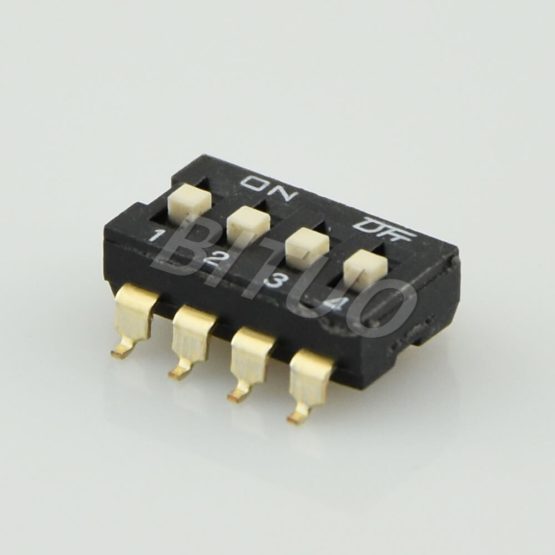
- Rating: 25mA 24VDC
- Gap Distance: 2.54mm
- Switch Function: OFF-ON
- Operating Temperature: -25℃~+70℃
- Operating Force: 8N Max
- Installation Mode: PCB
- Electrical Life: 2.000 Cycles
- Posi No: 1,2,3,4,5,6,7,8,10,12
- Contact Resistance: ≤500mΩ
- Insulation Resistance: ≥100MΩ
- Dielectric Strength: 500VACmin
- OEM or ODM: Available
Setting DIP Switches Correctly
Although DIP switches are simple to use, correct configuration is essential for proper system operation. The process usually involves referring to the device documentation to understand the required settings, then adjusting each switch accordingly.
Most devices include a diagram indicating the ON direction and switch numbering. After setting the switches, it is important to verify the configuration before powering the system. In many cases, the switch positions correspond to binary values, so even a small error can change the overall setting.
Considerations for Manufacturers and OEM Buyers
When selecting DIP switches for production, several factors should be considered. These include the number of switch positions required, the mounting method (such as through-hole or surface mount), and the operating environment.
Durability is especially important in industrial applications, where switches may be exposed to vibration, dust, or temperature variations. Clear labeling and consistent quality also contribute to easier assembly and reduced error rates.
Bituo Electronics supplies DIP switches designed for various applications, supporting both standard and customized requirements. With consistent manufacturing and adaptable designs, these components can be integrated into a wide range of electronic systems.
Conclusion
DIP switches provide a simple and reliable solution for hardware configuration in electronic devices. Their ability to deliver stable, manual control without software makes them valuable in many applications, from industrial systems to embedded electronics.
By understanding how DIP switches work, the different types available, and how to configure them properly, manufacturers and engineers can improve system reliability and streamline product design. Even as digital solutions continue to develop, DIP switches remain a practical choice wherever dependable hardware-level control is needed.