


Brake lights are one of the most important safety systems on the road. When you press the brake pedal, the brake lights alert drivers behind you that you are slowing down or stopping. A malfunctioning brake light can lead to dangerous situations or even traffic violations.
If you find your brake lights are not working properly, this article will help you understand the causes and solutions. We will cover the signs of a brake light switch malfunction, the most common causes, troubleshooting methods, simple repairs, and when to seek professional help.
The Function of a Car’s Brake Light Switch
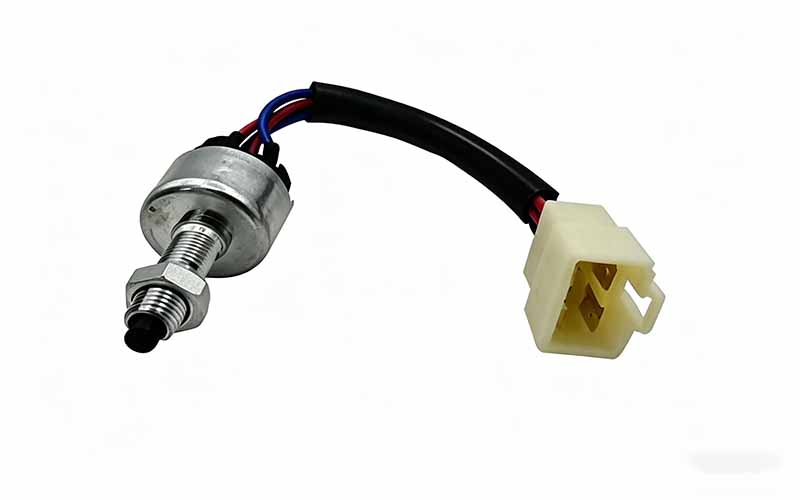 The brake light switch, typically located above the brake pedal, is a simple mechanical component that controls the illumination of the car’s brake lights. When the brake pedal is pressed, the switch is activated, and the brake lights illuminate. When the brake pedal is released, the switch deactivates, and the brake lights turn off.
Although the brake light switch is a small component, it is crucial for vehicle safety. If the switch malfunctions, the brake lights may fail to illuminate when needed, or they may remain on continuously, both of which can confuse other drivers and potentially lead to dangerous situations on the road.
Signs Your Brake Light Switch May Be Failing
Recognizing the signs of a failing brake light switch can help you act before the problem gets worse. Here are the most common symptoms to watch for:
- Brake lights do not turn on when you press the brake pedal.
- Brake lights stay on even after you release the pedal.
- Brake lights flicker or turn on and off unexpectedly.
- Brake lights work sometimes but not every time.
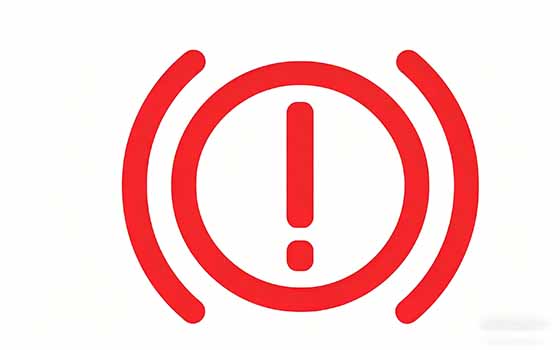
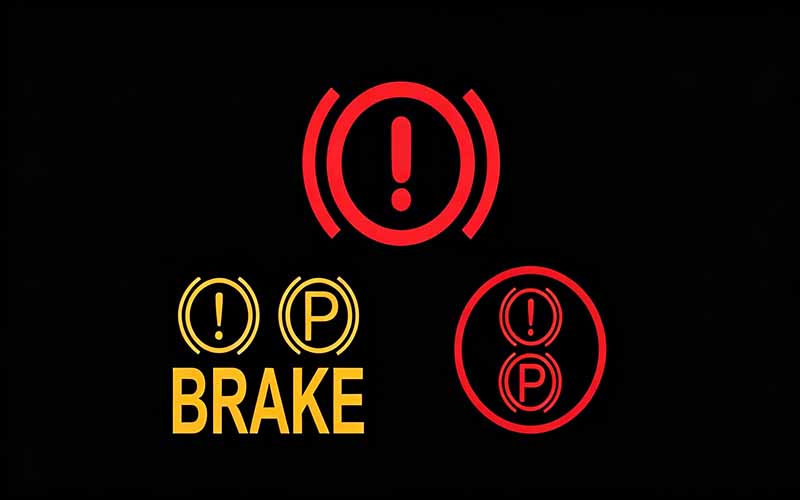
- Other dashboard warning lights behave oddly when you press the brake.
Any of these signs can indicate that something is wrong with the brake light switch or related wiring. The next step is to understand what might be causing the issue.
Common Causes of Brake Light Switch Problems
Worn or Faulty Brake Light Switch
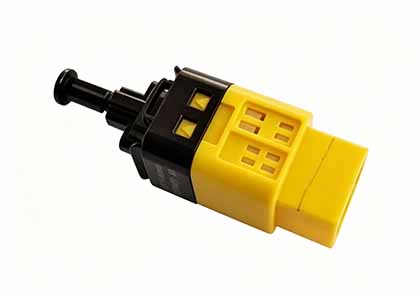
Like any mechanical component, the brake light switch wears out over time. Constant use can cause internal contacts to deteriorate, leading to intermittent or no activation.
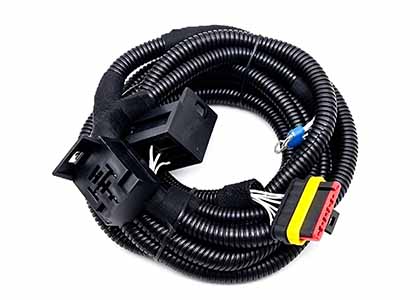
Faulty Wiring or Loose Connectors
Electrical connections can become loose due to vibration, heat, or movement of the vehicle. Corrosion or damaged wiring near the brake pedal can disrupt power flow.
Blown Fuse
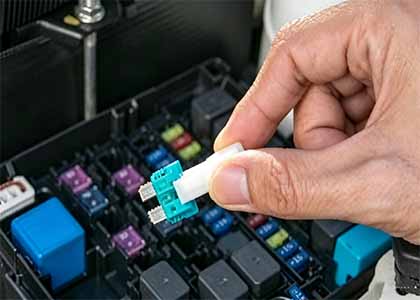
If the fuse protecting the brake light circuit fails, power cannot reach the brake light switch or lights. This is one of the simplest causes, but it is easy to overlook.
Burned Out Brake Light Bulbs
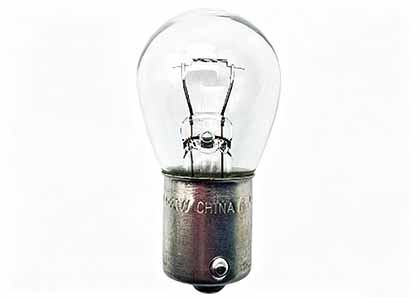
Sometimes the switch is working fine, but the bulbs themselves have failed. Brake light bulbs burn out over time like all lights and must be replaced.
Problems in Other Electrical Components
On some vehicles, relays or electrical control modules play a role in brake light operation. If those components are malfunctioning, the brake lights may not work correctly even though the switch is fine.
How to Diagnose and Troubleshoot?
Check Brake Lights and Fuses
Before determining a brake light switch malfunction, check the brake lights themselves. Have a friend press the brake pedal while you stand behind the car. If neither brake light illuminates, check the bulbs. If the bulbs are fine, check the fuses in the vehicle’s fuse box that protect the brake light circuit.
Replacing a blown fuse is usually quick and inexpensive. If a new fuse blows again quickly, it may indicate a deeper electrical problem requiring further diagnosis.
Test the Brake Light Switch
To test the brake light switch, turn the ignition key to the accessory position. This provides power to the switch without starting the engine. Use a simple test pen to check for power.
- If the switch has power but the brake lights don’t respond, the switch may be worn.
- If the switch has no power, the problem may be in the wiring or the fuse box.
Press the brake pedal and observe the tester for any changes. A worn switch may trigger unpredictably or only trigger at specific pedal positions. If there is no power after pressing the switch, it needs to be replaced.
Inspect Wiring and Connectors
Inspect the wiring harness connected to the brake light switch. Check for worn wires, loose connectors, or signs of corrosion. Corroded connectors can be cleaned with a suitable electronic cleaner. Damaged wires should be repaired or replaced using appropriate connectors.
When inspecting for damage, be careful not to interfere with other circuits. Keeping wiring secure and free of corrosion can prevent many electrical failures.
Replacing the Brake Light Switch
If you have confirmed that the problem lies with the switch itself, replacing it is usually straightforward. Most brake light switches are located near the brake pedal and can be accessed from the driver’s side footwell.
Before you begin, disconnect the battery for safety. Remove the old switch and install the new switch according to the vehicle manufacturer’s instructions. After replacement, test the brake lights again to confirm they are working properly.
When to Seek Professional Help?
While many brake light switch issues can be diagnosed and fixed with basic tools, there are times when professional help is a better choice. If your vehicle’s wiring is deeply buried behind the dashboard, if relays or electrical modules are involved, or if you are not comfortable working with electrical systems, a trained technician can diagnose the issue faster and with less risk of causing additional faults.
Professional diagnostics tools can pinpoint exact trouble spots and help avoid repeated trial and error. For complex electrical issues, expert assistance can save time and ensure lasting results.
Preventive Tips to Avoid Future Brake Light Issues
Preventing brake light switch problems starts with routine care and inspection:
| Preventive Tip | Description |
| Clean connectors and wiring | Clean connectors and wiring during regular maintenance checks to prevent corrosion. |
| Avoid excessive force on the brake pedal | Do not use excessive force on the brake pedal, as this can cause stress on the brake light switch. |
| Replace worn bulbs | Replace worn bulbs before they fail completely to prevent unexpected brake light failures. |
| Address flickering or inconsistent response early | If you notice flickering or inconsistent brake light response, address it early to prevent further issues. |
Conclusion
A malfunctioning brake light switch can be frustrating and even dangerous if not addressed promptly. By following the steps above, you can identify the cause of the problem and perform some simple repairs yourself. If the problem is more complex or involves wiring, it is recommended to seek professional help.
Keeping your brake lights working properly is essential for your safety and the safety of others on the road. For quality automotive electronics and reliable solutions, please visit BituoElec.com to browse our wide range of products to ensure your vehicle’s safety and reliability.