


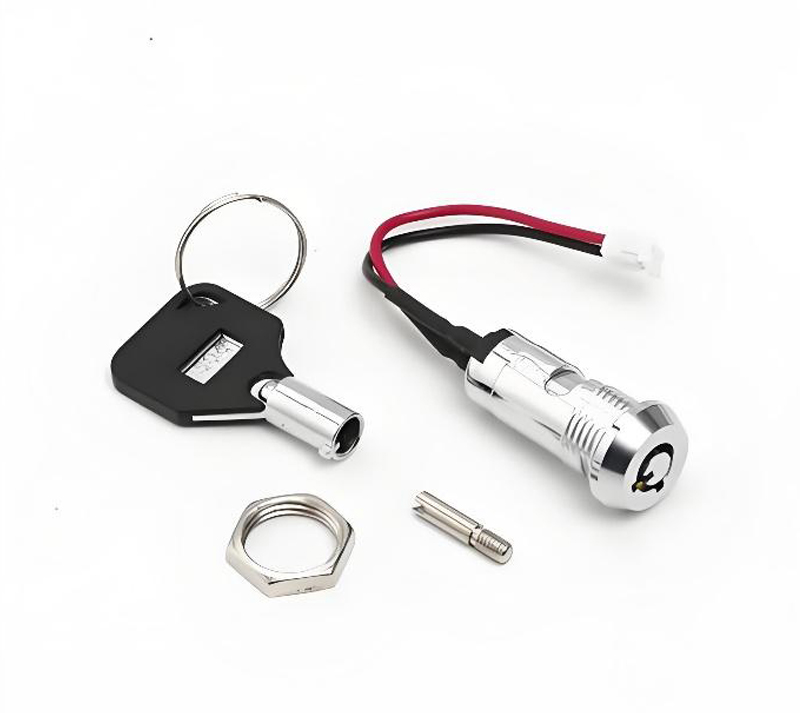
A key switch is an electromechanical device that combines the functions of a traditional switch with the added control functionality of a physical key. As a method of controlling circuits and access permissions in equipment or systems, key switches are typically deployed in locations where security and operational compliance are critical. They play a vital role in many industry environments by requiring the use of a key to change the switch state, thus preventing accidental activation or unauthorized use.
From simple access control to complex mechanical interlocking devices, key switches have a wide range of applications. By adding a key to a standard switching mechanism, these devices provide a simple and reliable way to manage user permissions and operational control. Whether integrated into industrial machinery, security systems, or control panels, key switches ensure that only designated personnel can operate specific functions.
What is a key switch?
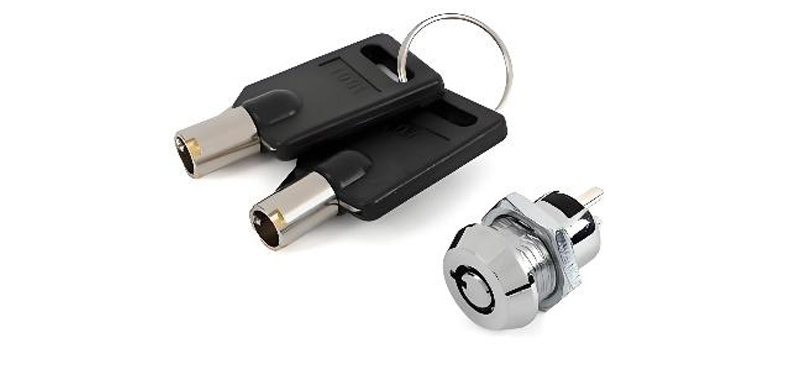
A key switch is essentially a switch that requires the insertion and turning of a corresponding key to operate. Unlike buttons, toggle switches, or simple rotary switches that anyone can trigger, a key switch requires a conscious physical operation using a matching key to change its state. This typically involves toggling between “on” and “off,” or between several preset positions.
The key is both a mechanical actuator and a means of restricting access, helping to prevent accidental or unsafe operation. This characteristic makes key switches particularly suitable for environments with high security requirements or where access to control functions must be restricted to authorized users.
How Do Key Switches Work?
When a key is inserted into a key switch, it must match the internal profile of the switch’s lock cylinder. Once the correct key is in place, turning it engages or disengages internal contacts that control electrical flow within the switch. The action of turning the key either completes the circuit (allowing current to flow) or interrupts it (stopping current), depending on the switch position.
Many key switches are designed with multiple switching positions, allowing them to provide different functions at each position. For example, a key switch might have distinct settings for “off,” “run,” and “maintenance,” depending on the control logic of the system. This ability to offer more than just a simple on/off state expands their usefulness in sophisticated control panels or safety systems.
Because operation depends on the key being both present and turned to the correct position, these switches add a layer of physical protection against accidental or unintended activations. In situations where unintended switching could lead to damage, safety hazards, or unplanned downtime, a key switch helps preserve intentional control.
Why Use Key Switches?
Key switches deliver several practical advantages in system and machine design:
1. Access Control and Permission Management
A key switch ensures that only individuals with the correct key can operate a system or function. By doing so, it helps control who can activate certain functions, such as machine start/stop, security system reset, or emergency override. This reduces the risk of misuse, tampering, or inadvertent action by operators who are not authorized.
2. Enhanced Safety
In many industrial and commercial environments, safety is a priority. Key switches prevent accidental activation of heavy machinery, hazardous processes, or critical safety mechanisms by requiring a deliberate user action. This is particularly important in workplaces where unplanned start-ups could cause injury.
3. Operational Control in High-Risk Environments
Emergency stop circuits, fire doors, or power distribution isolation require strict control. Keyless switches are used in situations where a reliable physical barrier is needed to prevent operation, reducing the possibility of accidental or unauthorized operation.
4. Compliance with Regulations
In many regulated industries, machinery and safety systems are required to be controlled in ways that limit unauthorized use. Key switches support compliance with safety protocols by ensuring that only qualified personnel can access critical functions.
Common Applications for Key Switches
Key switches are versatile and can be found in many kinds of equipment and environments, such as:

Industrial Equipment and Machines: Key switches are often used in production lines, conveyor systems, and heavy machinery to ensure that only trained operators can start or change machine states.

Access Control and Security Panels: In building systems, key switches control access to secure rooms, control panels, or systems requiring restricted use.

Transportation Systems: Vehicles and mobile equipment may use key switches for ignition or operational modes that must not be activated by anyone except authorized operators.
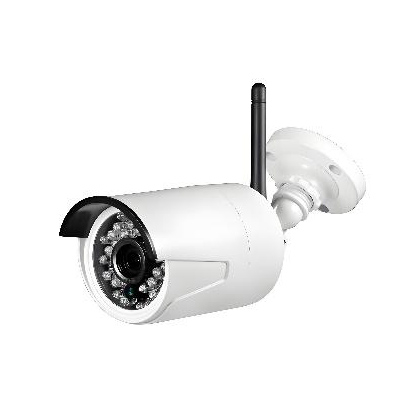
Emergency and Safety Systems: Fire alarm overrides, emergency power shutdowns, or reset functions often use key switches to prevent casual manipulation.
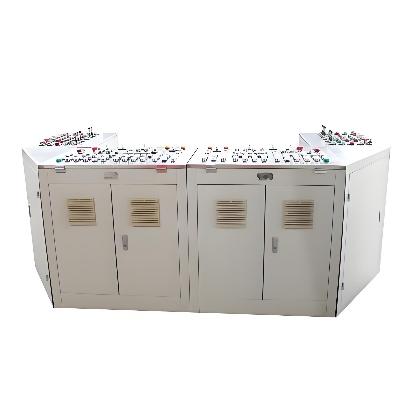
Control Cabinets and Panels: Equipment racks, data centers, and power panels can use key switches to limit who can access critical electrical systems.
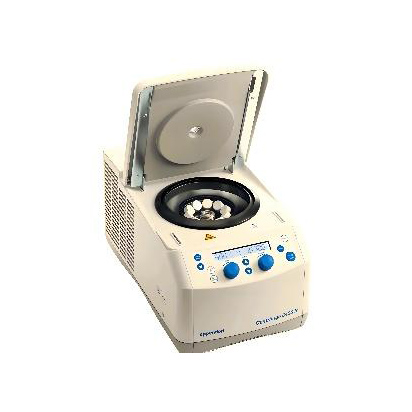
Medical and Laboratory Equipment: In environments where patient safety or experimental integrity is paramount, key switches help ensure that only qualified personnel can adjust sensitive instruments.
Types of Key Switches
Key switches may be tailored to different mounting styles, mechanical designs, and application needs. Some typical variations include:
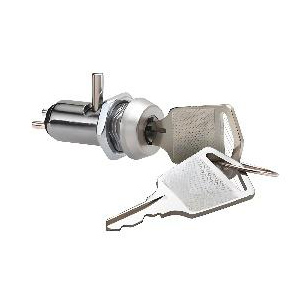
Panel Key Switches
These are installed within control panels or junction boxes and are accessible to operators on equipment fronts. They are often designed for easy replacement and maintenance.
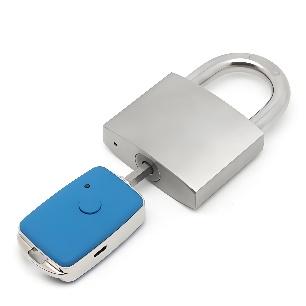
External Key Switches
Mounted outside a panel or enclosure, these switches are often used for access control to doors or external machinery interfaces.
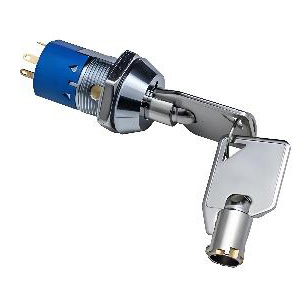
Multi-Position Key Switches
These switches provide more than two positions, allowing for different states. This is useful where different system modes need to be selected via the key.
Other configurations may include latching or momentary actions, custom key profiles, or integrated locking mechanisms tailored for specific environments or security requirements.
Key switches compared to other switch types
Unlike push-button switches or toggle switches, key switches require a matching key to operate. This means accidental activation is generally prevented. It also means that role-or permission-based access control can be managed more securely through key assignment.
This distinction is particularly important in safety-critical or safety-sensitive applications, as accidental operation or unauthorized access can lead to unsafe conditions, costly downtime, or system compromise.
Choosing a Key Switch from Bituo Electronics
At Bituo Electronics, our key switch category features a wide selection of options designed to meet diverse application requirements. From compact panel-mounted switches to robust external-facing solutions, we offer items suited for industrial automation, security systems, access control, emergency systems, and more.
When selecting a key switch, consider factors such as:
- Number of positions required for your application
- Mounting style and compatibility with your panel or equipment
- Key type and security level
- Environmental conditions such as moisture or dust exposure
- Electrical ratings appropriate for the circuit being controlled
Whatever your control challenge, Bituo Electronics has solutions to support safe and intentional operation. Browse our key switch range to find products that match your design and functional needs.