


IP switches are small but highly practical components used in a wide range of electronic systems. Even as modern devices rely more on software configuration, DIP switches continue to play an important role in hardware level control. Their simplicity, reliability, and ease of use make them a preferred choice in many industrial and embedded applications.
What is a DIP Switch?
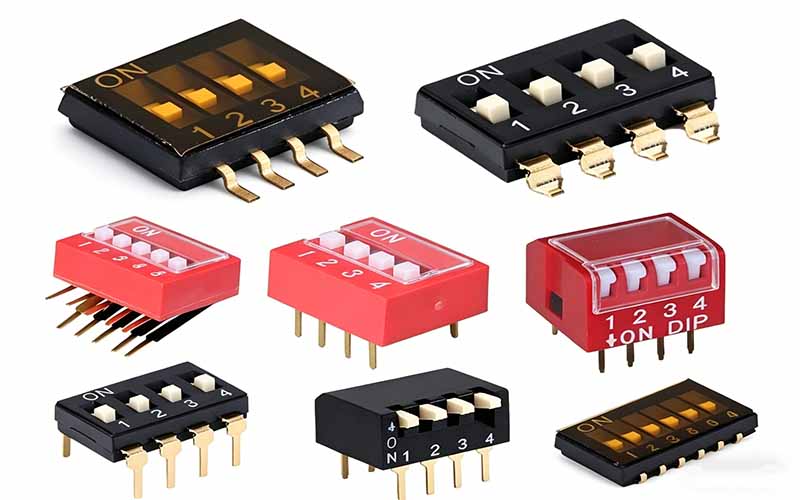
A DIP switch is a manual electronic switch that mounts directly on a printed circuit board (PCB) for configuring device settings.
It consists of multiple small switches integrated into a compact package. Each switch can be set to an “on” or “off” state, allowing the user to control different functions or assign specific values within the circuit.
Because DIP switches operate at the hardware level, they provide stable and reliable device configuration without relying on software. This makes them particularly useful in systems requiring stable performance.
How Does DIP Switches Work?
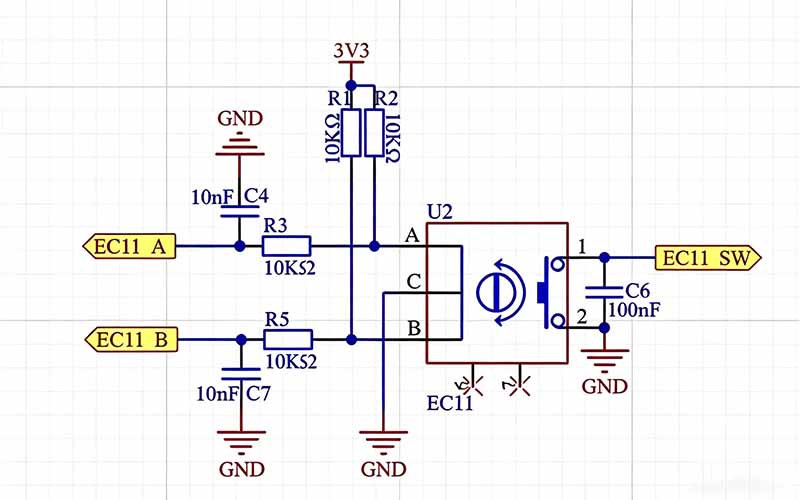
The working principle of a DIP switch is simple. Each switch controls the flow of current by opening or closing a circuit. When a switch is set to “on,” the circuit is connected, and current flows. When a switch is set to “off,” the circuit is disconnected.
Each switch represents a binary value. “On” typically represents “1,” and “off” represents “0.” By combining multiple switches, users can create different binary codes to control device settings, such as address, mode, or function.
One of the key advantages of this design is that the selected setting remains unchanged until manually changed. This makes the DIP switches highly reliable in long-term configurations.
Types of DIP Switches
DIP switches are available in several types, each designed for different applications and user preferences.
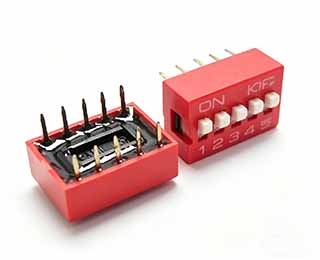
Slide DIP Switch
Slide DIP switches are one of the most common types. A small slider is moved back and forth to change the position of each switch. They are easy to operate and are widely used for setting device options and addresses on circuit boards.
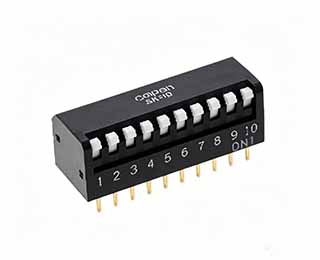
Piano DIP Switch
Piano DIP switches resemble piano keys. Each switch is pressed down to change its state. This design is useful in compact spaces where sliding movement is limited.
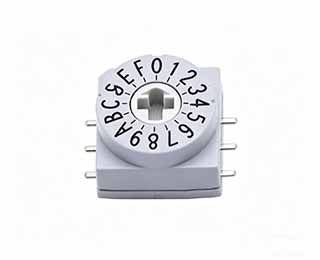
Rotary DIP Switch
Rotary DIP switches use a rotating dial to select from multiple positions. They are often used when more than two settings are required, such as selecting channels or operating modes.
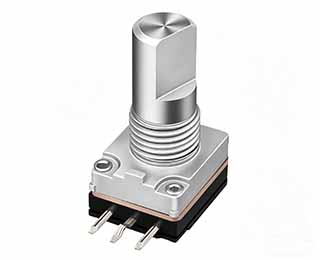
Rocker DIP Switch
Rocker DIP switches operate by pressing one side of the switch to toggle between states. They provide a clear tactile response and are used in both industrial and consumer electronics.
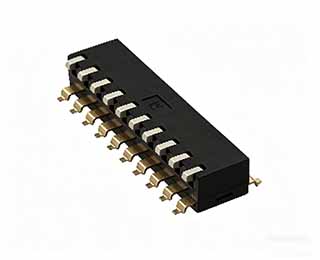
Tri State DIP Switch
Tri state DIP switches offer three positions instead of two. This allows for more complex configurations and a greater number of possible settings compared to standard binary switches.
DIP Switch Mechanisms
Different DIP switches use different internal mechanisms to control how the switch operates. Understanding these mechanisms helps you select the right type based on usability, durability, and application requirements.
| Mechanism Type | Description | Typical Use Case |
| Sliding mechanism | Uses a small slider that moves between positions to open or close the circuit. Offers clear visual indication and easy operation. | General electronics, control boards |
| Rocking mechanism | Operates by pressing one side of the switch to toggle states. Provides a strong tactile response. | Industrial equipment, user facing panels |
| Rotary mechanism | Uses a rotating dial to select multiple positions beyond simple on and off states. | Address selection, multi mode control |
| Push mechanism | Each switch is pressed down like a button to change state. Compact and suitable for tight layouts. | Compact circuit boards, embedded systems |
| Sealed mechanism | Designed with protective sealing to resist dust and moisture. Improves durability in harsh environments. | Outdoor or industrial applications |
DIP Mounting Styles
DIP switches are designed to be mounted onto printed circuit boards in different ways depending on the design and manufacturing requirements. Choosing the right mounting style ensures proper installation and long term reliability.
| Mounting Style | Description | Advantages | Typical Applications |
| Through hole mounting | Pins are inserted through holes in the circuit board and soldered on the opposite side. | Strong mechanical stability and reliable connection | Industrial equipment, legacy systems |
| Surface mounting | Mounted directly onto the surface of the circuit board without passing through it. | Saves space and supports automated assembly | Modern electronics, compact devices |
| Right angle mounting | Positioned at a right angle to the board, allowing access from the side. | Easy access for adjustment after installation | Control panels, enclosed systems |
| Vertical mounting | Installed perpendicular to the board for direct top access. | Simple operation and clear visibility | Standard circuit board layouts |
| Low profile mounting | Designed with reduced height to fit into compact designs. | Ideal for space limited applications | Portable electronics, embedded devices |
DIP Switch Configurations
DIP switch configurations describe how multiple switches are arranged and combined to control specific functions within a circuit. Each individual switch represents a simple on or off state, and when several switches are used together, they create a range of possible settings that define how a device operates.
One of the most common configurations is binary configuration. In this setup, each switch represents a binary value, and different combinations of on and off positions create numerical codes. These codes are often used to set device addresses or define operating parameters in electronic systems.
Another widely used configuration is address configuration. In many systems with multiple devices, each unit needs a unique address to communicate correctly. DIP switches make it easy to assign these addresses manually, helping prevent signal conflicts and ensuring smooth communication between components.
Mode selection configuration is also very common. In this case, different switch combinations activate different operating modes. This allows users to change how a device behaves without relying on software, which is especially useful in industrial or embedded systems.
Feature enable configuration focuses on controlling individual functions. Each switch can turn a specific feature on or off, giving users flexible control over the system. This is often seen in development boards, consumer electronics, and testing equipment.
For more advanced needs, multi combination configurations are used. By combining several switches, users can create a wide range of settings to support complex applications. This approach provides greater flexibility and allows one device to handle multiple tasks.
Proper configuration of DIP switches is essential for reliable operation. Clear labeling, careful setup, and verification before use can help prevent errors and ensure that the system performs as expected.
Common Applications of DIP Switches
DIP switches are widely used across different industries due to their flexibility and reliability.
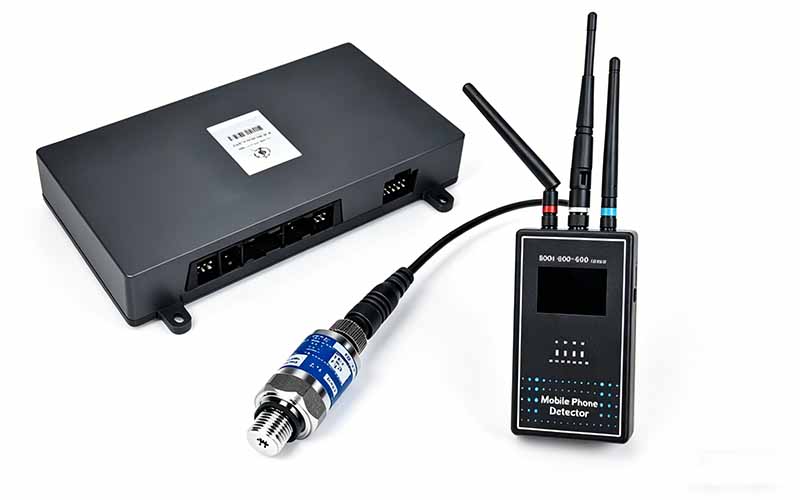
In industrial automation, they are used to configure controllers, sensors, and communication devices. They allow technicians to set operating modes and assign device addresses quickly and accurately.
In consumer electronics, DIP switches have been used in devices such as remote controls and early computer hardware. They allow users to customize settings without needing software interfaces.
In communication systems, DIP switches are often used to assign unique addresses to devices within a network. This helps prevent signal interference and ensures proper communication between components.
In embedded systems and testing equipment, DIP switches are used to select operating parameters, enable debugging modes, or adjust system behavior during development.
Key Factors to Consider When Choosing a DIP Switch
Selecting the right DIP switch depends on several important factors.
Number of Positions: The number of switches in a unit determines how many configuration options are available. More positions allow for more combinations and greater flexibility.
Electrical Rating: Make sure the switch can handle the required voltage and current for your application. Using a switch with inadequate ratings can lead to performance issues.
Mounting Type: DIP switches can be designed for through hole or surface mounting. The choice depends on your circuit board design and assembly process.
Environmental Conditions: Consider the environment where the switch will be used. In harsh conditions, choose switches with protection against dust, moisture, or temperature changes.
Size and Design: Compact designs are important for modern electronics where space is limited. Choose a switch that fits your layout without compromising usability.
Conclusion
DIP switches remain an important component in modern electronics due to their simplicity, reliability, and flexibility. They provide an effective way to configure devices at the hardware level without relying on software.
By understanding how DIP switches work, their different types, and how to choose the right one, you can improve system performance and ensure reliable operation.
At BituoElec, we offer a wide range of DIP switch solutions designed for durability, precision, and ease of use. Explore our product selection to find the right component for your application and achieve stable and efficient device configuration.