


Understanding Vehicle Power Outlets and How to Use Them in Your Car
Vehicle power outlets are an essential feature of modern vehicles, providing power to a wide variety of devices. These outlets come in many types, from standard cigarette lighter sockets to USB charging ports and high-power auxiliary sockets, allowing drivers and passengers to use and charge electronic devices anytime, anywhere.
As these outlets continue to evolve, their applications are becoming increasingly diverse, ranging from powering small devices like mobile phones and tablets to powering tools, appliances, and even large systems in trucks and RVs.
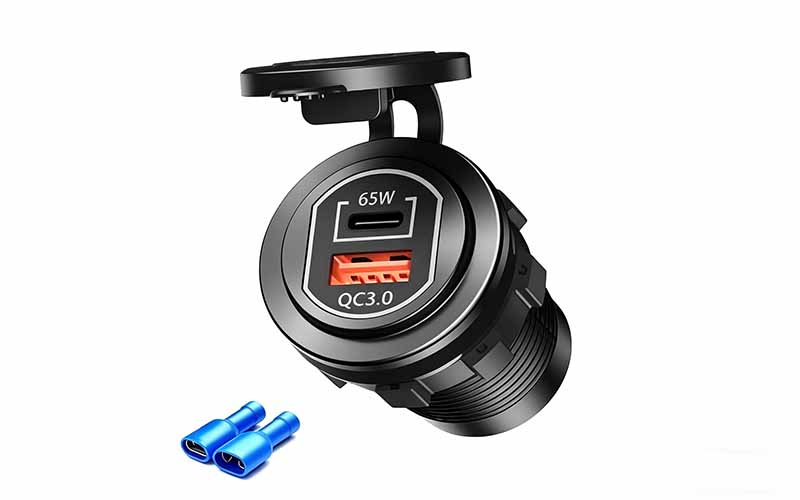
Almost all modern cars are equipped with one or more power outlets. These outlets allow you to charge in-car accessories, devices, and power small electronic devices while on the go. Whether it’s charging your phone on a long trip or powering a portable cooler or work tools, a power outlet makes your car more than just a means of transportation.
This article will explain how in-car power outlets work, the different types of power outlets, their common uses, and practical tips for choosing and maintaining the right power outlet for your needs.
What is a Car Power Outlet?
A car power outlet is a built-in outlet used to power devices. Early cars typically had only one outlet, located near the dashboard. Newer cars, however, are equipped with multiple outlets in the cabin and trunk area.
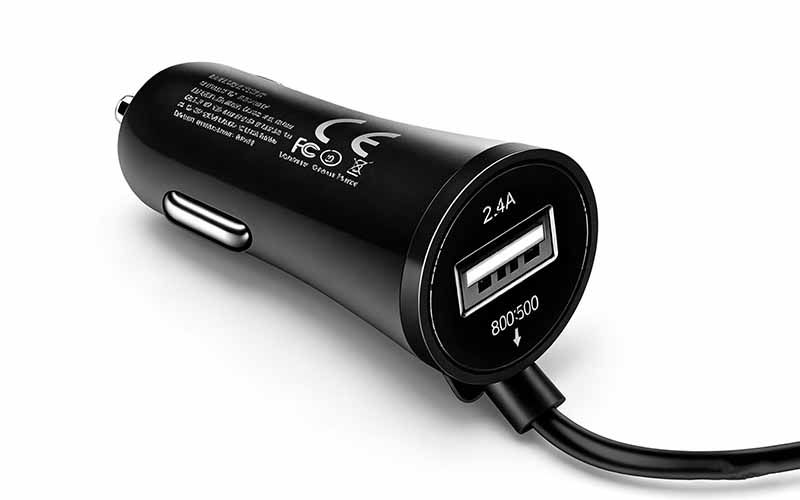
These outlets connect to the vehicle’s electrical system, allowing you to power devices that would otherwise require a battery or dedicated power source. While specific designs may vary between car models, most car power outlets serve a similar purpose and function.
Many car power outlets are designed to connect small to medium-power devices. Some outlets can handle larger loads, especially when used in trailers or as part of a work kit. The size and power rating of the outlet determine which devices you can safely plug in without damaging the vehicle or accessories.
Common Types of Vehicle Power Outlets
There are several different kinds of power outlets you might encounter in a car, truck, or SUV. Each type has its own strengths and recommended uses.
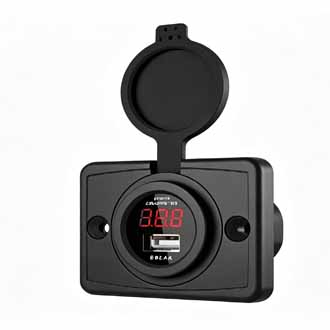
Standard Cigarette Style Outlet
This is the type most people think of when they hear vehicle power outlet. It was originally designed to heat a cigarette lighter but has since become a general accessory port. This outlet provides usable power for many small electronics.
Most standard outlets are round and located in the dashboard. You can plug in chargers for phones, GPS units, or small fans. There are also adapters that fit into these outlets and convert the power to a USB style plug or other connector types.
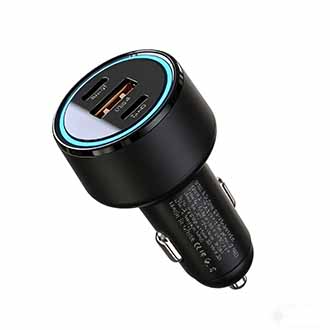
Built In USB Outlets
In recent years, many vehicles have replaced or supplemented traditional power outlets with built in USB outlets. These outlets are made specifically for charging phones, tablets, and other USB powered devices. They are convenient because you do not need an extra adapter to charge common electronics.
USB outlets often provide stable charging and can be easier to use than older style outlets. They may be located near the dashboard, in the center console, or even in the rear seating area so passengers can charge devices easily.
Heavy Duty or Auxiliary Power Outlets
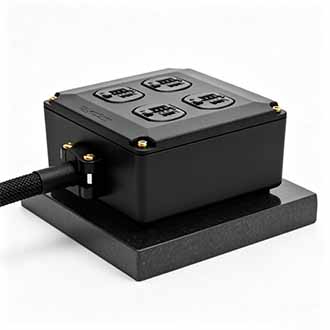
Some vehicles include higher power outlets that are designed to support heavier loads. These may be labeled as auxiliary power outlets and are typically used for tools, portable refrigerators, or larger accessories.
These outlets are often found in trucks or vehicles designed for work and recreation. They can supply more current than a standard outlet, allowing you to run accessories that draw more power without overloading the system.
Common Locations for Power Outlets in Your Vehicle
Vehicle manufacturers place power outlets in strategic locations to ensure that both drivers and passengers can easily access them. These outlets are typically found in the following areas:
Dashboard near the front seats: A convenient spot for the driver and front passenger to plug in devices like phones or GPS systems.
Center console: Often found between the front seats, this area is ideal for charging smaller electronics or connecting portable accessories.
Rear cabin wall: Some vehicles include outlets for backseat passengers, making it easy to charge tablets, phones, or gaming devices.
Cargo area or truck bed: Trucks and larger vehicles may have outlets in the cargo space to power tools or other large accessories.
The specific placement of power outlets can vary based on the vehicle’s design and the package options chosen. However, there is generally at least one outlet in the front seating area, with additional outlets placed in other convenient locations throughout the vehicle.
What You Can Use a Power Outlet For?
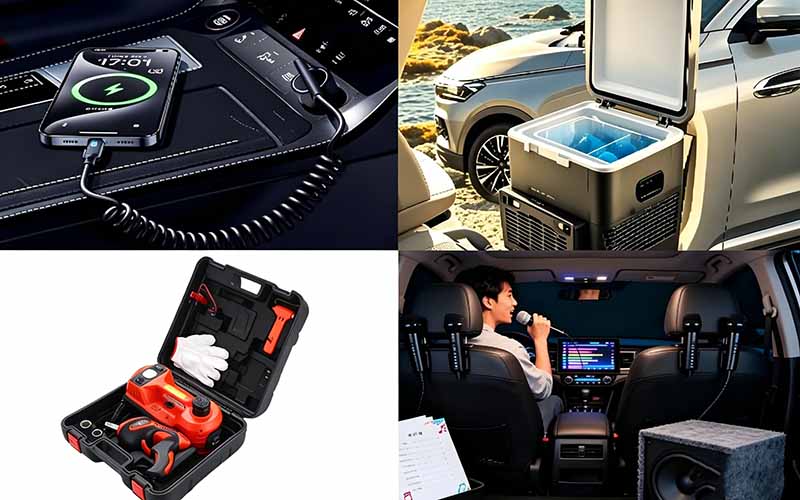
Vehicle power outlets are versatile and can be used for many purposes.
| Use Case | Description |
| Charging Portable Devices | Power outlets are commonly used to charge phones, tablets, and other portable electronics during trips. |
| Running Small Appliances | Outlets can power small appliances like portable coolers, air pumps, small heated blankets, or coffee makers. |
| Supporting Work Tools | Power outlets support work tools such as battery chargers, small lighting units, or diagnostic equipment. |
| Entertaining Passengers | Passengers can plug in gaming devices, portable DVD players, or small fans, ensuring entertainment and comfort. |
Safety Tips for Using Power Outlets
While power outlets in vehicles are convenient, it’s important to use them properly to avoid potential problems:
Do Not Overload the Outlet
Always check the device’s power requirements before plugging it in. Ensure the accessories you use do not exceed the outlet’s maximum current capacity to prevent overloading, fuse failure, or damage to the vehicle’s electrical system.
Avoid Leaving Devices Plugged in When the Vehicle Is Off
Avoid leaving power-hungry devices plugged in when the engine is off, as this can drain the vehicle’s battery. If you need to use power while parked, monitor the battery level or leave the engine running.
Use Quality Adapters and Cords
Ensure that the adapters and cords you use are of good quality. Poorly made or damaged cords can cause shorts or sparks. Always replace frayed or exposed wires to avoid electrical hazards.
Keep the Outlet Clean
Regularly inspect and clean the outlet to prevent dust and debris buildup. Keeping the outlet clean ensures a stable and reliable connection over time.
How to Choose the Right Power Outlet Accessories?
Choosing the correct accessory for your power outlets helps ensure safe and efficient operation.
Match the Power Rating
Make sure the accessory matches the outlet power rating. Using a device with higher power needs than the outlet can supply may cause it to fail or overload the system.
Consider USB Charging Needs
If you have many USB powered devices, a dual USB adapter helps you charge multiple devices at once. Some adapters are designed to provide stable current for tablets or larger electronics.
Choose the Right Connector Style
Adapters come with various plug types to fit different outlets. Use the correct style so the accessory fits securely and does not wiggle or disconnect while driving.
Conclusion
Vehicle power outlets are simple but powerful features that enhance the usefulness of your car, truck, or SUV. They allow you to keep devices charged, run portable accessories, and use tools on the go.
By understanding the types of outlets available and how to use them safely, you can make the most of the power options in your vehicle. Whether you are charging a phone, running a small appliance, or supporting work equipment, vehicle power outlets make life on the road more convenient and flexible.
For reliable automotive power outlet solutions and accessories, visit BituoElec.com to explore products designed to keep you powered while you travel.
FAQ
1. What types of power outlets are available in a vehicle?
Modern vehicles are equipped with several types of power outlets, including a standard cigarette lighter socket, USB sockets, and high-power auxiliary sockets. USB sockets are typically used to charge phones and tablets, while high-power sockets support devices that require more current, such as portable refrigerators or work tools.
2. How do I find out the wattage of a vehicle’s power outlets?
Each vehicle power outlet usually has a specified wattage rating, which you can find in your owner’s manual or vehicle specifications sheet. Standard outlets typically provide around 12 volts, while high-power outlets may provide a higher voltage to connect more powerful devices. Always check the power requirements of the device you intend to plug in to ensure it matches the outlet’s capacity.
3. Can I use the power outlet after the vehicle is turned off?
While you can use the power outlet after the engine is off, doing so will drain the vehicle’s battery. For devices with high power requirements, it’s best to start the engine to prevent the battery from running out of power. Always monitor the battery level to avoid it becoming completely depleted.
4. How do I maintain a vehicle’s power outlet?
To maintain your car’s power outlet, ensure it is kept clean and free of debris. Regularly inspect the outlet for signs of wear and tear, and avoid using faulty or damaged power cords and adapters. Regular inspection helps prevent short circuits and extends the outlet’s lifespan.
5. What innovations will car power outlets see in the future?
Some new car models are equipped with fast-charging USB ports, larger auxiliary power outlets, and even built-in inverter systems for connecting household plugs. These innovations expand the applications of car power outlets for both leisure and work.