


Contact Material Guide
Contact material has a direct impact on switch performance, particularly in applications where current levels, operating environment, and service life vary widely.
At BITUO Electric, we manufacture switches and electronic components in Wenzhou, China, with more than 6,000 models across 24 product series supplied to customers in over 70 countries. One question that often comes up during switch selection is whether silver or gold-plated contacts are better for a particular application.
There is no single answer. Silver and gold serve different purposes, and the right choice depends mainly on the electrical load, operating conditions, and expected switching life.
Why Contact Material Matters
When a switch closes, current passes through a small contact area between two conductive surfaces. The condition and composition of those surfaces affect contact resistance, electrical stability, wear, and long-term reliability.
Silver is valued for its excellent electrical conductivity and ability to handle higher switching loads. Gold offers a different advantage: strong resistance to oxidation and surface contamination, which is especially useful in low-level signal circuits.
Switch contacts are also rarely made entirely from one material. Many designs use a conductive base material with a plated or bonded contact surface selected for the intended electrical load.
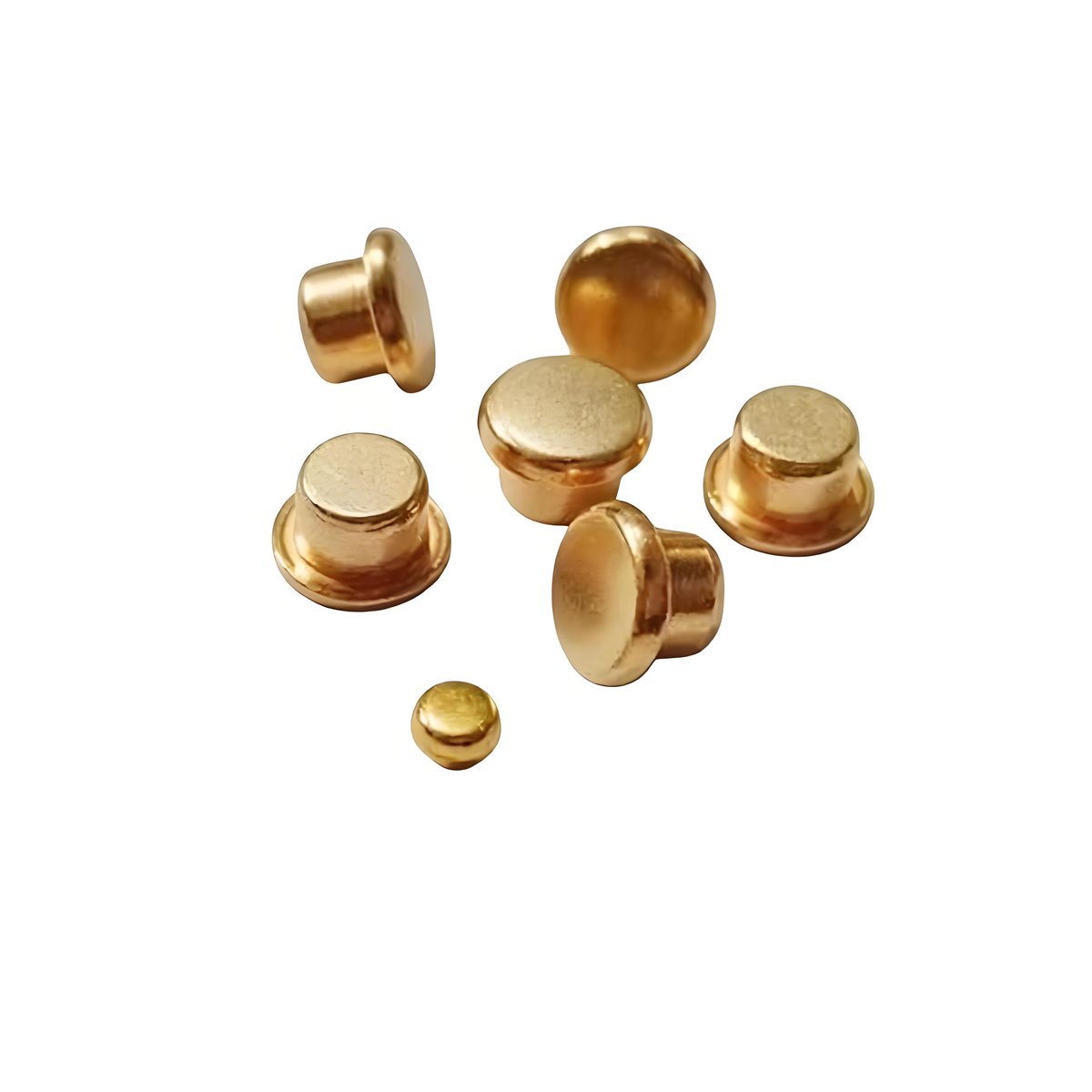
Silver Contacts for Power Switching
Silver has the highest electrical conductivity of any metal and is widely used in switches, relays, contactors, and other devices that handle moderate to high electrical loads.
Silver and silver-alloy contacts are particularly suitable for applications involving higher current because they combine low contact resistance with good electrical performance under switching loads.
One limitation is surface tarnishing. Silver can react with sulfur-containing compounds in the environment and form silver sulfide, which increases surface resistance.
In higher-energy circuits, the electrical and mechanical action of switching can help break through or remove light surface films. In very low-current applications, however, there may not be enough energy at the contact interface to maintain a consistently clean conductive path.
For demanding power applications, silver is often alloyed with other materials, such as silver tin oxide, to improve resistance to arc erosion and contact welding.
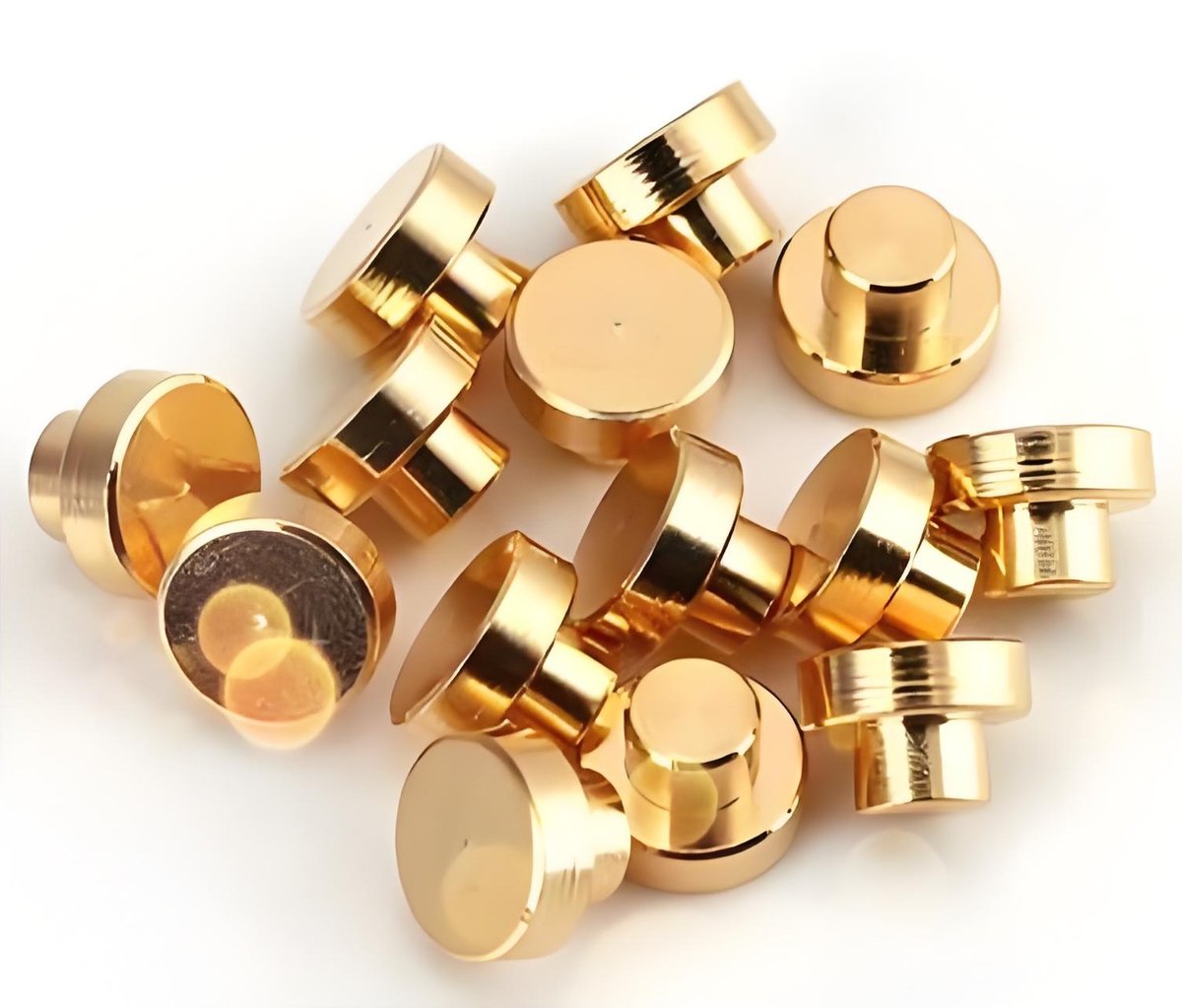
Gold-Plated Contacts for Low-Level Signals
Gold-plated contacts are commonly used in low-current and low-voltage circuits where stable signal transmission is more important than high load capacity.
Gold is highly resistant to oxidation and tarnishing, allowing the contact surface to remain electrically stable even when the circuit carries only millivolts or milliamps. This makes gold plating suitable for signal circuits, sensors, measurement equipment, control inputs, and other low-energy applications.
This is particularly important where the current is below the level needed to break through surface contamination, sometimes referred to as the minimum wetting current requirement.
Gold plating is generally applied over a base contact material, often with an intermediate nickel layer. Depending on the application, different gold-plating processes and hardness levels may be used to improve wear resistance.
Gold is not selected because it conducts electricity better than silver. Its main advantage is maintaining a clean and stable contact surface over time.
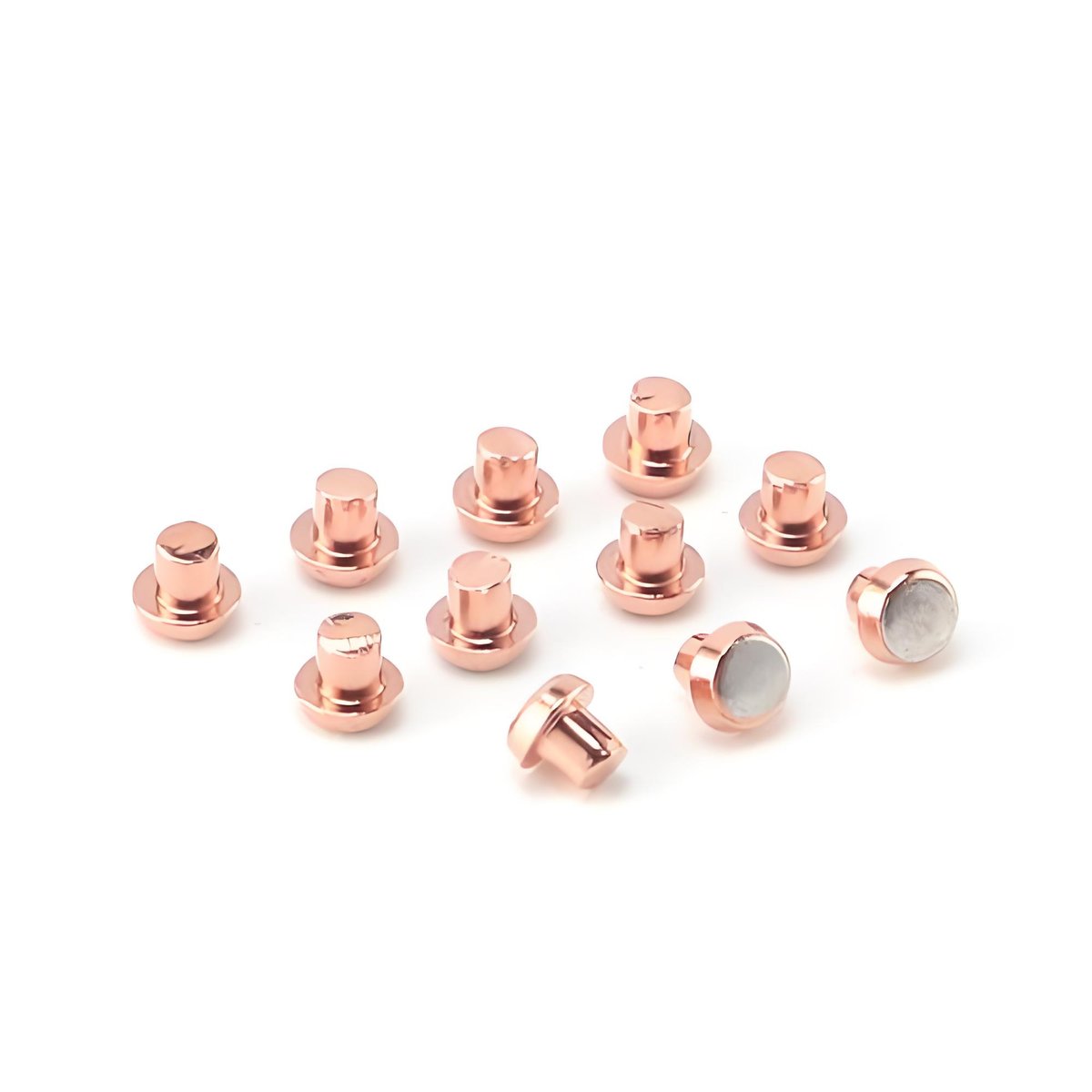
Gold-Plating Thickness and Contact Life
Gold-plating thickness is another factor that can influence contact durability.
Thin gold flash plating can provide surface protection for applications with limited switching cycles or light mechanical wear. Thicker functional plating generally provides more material before the underlying layer becomes exposed, which can improve durability in higher-cycle applications.
However, plating thickness should not be evaluated in isolation. Contact geometry, wiping action, operating force, switching frequency, environment, and expected service life all influence performance.
Because specifications vary between switch models, always refer to the manufacturer’s datasheet when evaluating gold-plated contacts for a specific application.
Gold-Plated vs. Silver Contacts: Key Differences
The most important factor is the electrical load the switch will handle.
As a general guideline, silver contacts are usually preferred for switching power, while gold-plated contacts are better suited to low-level signal circuits.
| Consideration | Silver Contacts | Gold-Plated Contacts |
|---|---|---|
| Best suited for | Power switching | Low-level signal switching |
| Typical application | Higher current and voltage | Millivolt and milliamp signals |
| Main advantage | High conductivity and load capability | Resistance to oxidation and contamination |
| Surface behavior | May tarnish in certain environments | Remains relatively stable against oxidation |
| Typical wear mechanism | Arc erosion and mechanical wear | Gradual wear of the plated layer |
| Common uses | Relays, motor controls, heaters, power switches | Sensors, control inputs, test equipment |
| Relative material cost | Generally lower | Generally higher |
Environmental conditions should also be considered. Humidity, airborne contaminants, sulfur compounds, and salt exposure can affect contact performance over time. For critical applications, the final selection should be based on the actual voltage, current, switching frequency, environment, and required operating life.
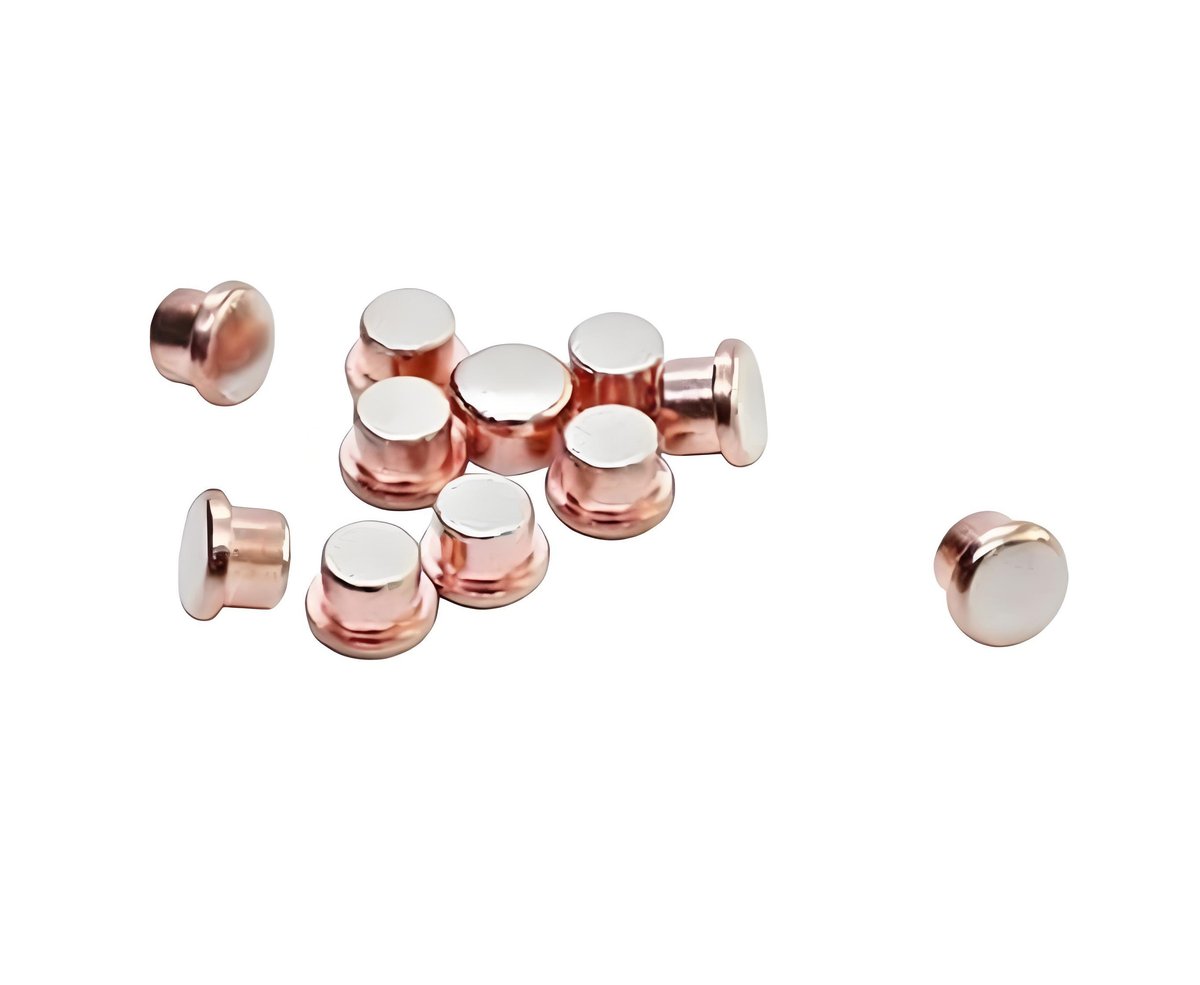
Common Misconceptions About Switch Contacts
Several assumptions can lead to the wrong contact selection.
Gold contacts are always better.
Gold plating is valuable in low-level circuits, but it is not automatically the best option for higher switching loads. Arcing can damage thin gold layers, making silver or silver alloys more appropriate for many power applications.
Gold-plated contacts are solid gold.
In most switches, gold is applied as a thin surface layer over another conductive material. The plating thickness and underlying contact structure determine how the contact performs over time.
Silver contacts are less reliable.
Silver and silver alloys are widely used in power switching because of their electrical conductivity and load-handling characteristics. Their suitability depends on the circuit and operating environment.
Plating thickness does not matter.
The thickness of the contact plating can affect wear resistance and service life, although it should always be considered together with the mechanical and electrical design of the switch.
The key is to match the contact material to the actual operating conditions rather than selecting one material based on reputation alone.
How BITUO Selects Contact Materials
At BITUO, contact selection starts with the application requirements. Important factors include operating voltage and current, switching frequency, environmental conditions, expected service life, and the type of load being controlled.
Higher-current applications may require contact materials with better resistance to arcing and electrical wear. Low-level signal circuits may benefit from gold plating to maintain stable contact resistance over time. Environmental exposure can also influence the recommended contact construction.
BITUO offers switch options with different contact materials across multiple product series, including tact switches, push-button switches, and anti-vandal switches. For OEM and ODM projects, contact specifications can be evaluated as part of the overall switch selection process.
Testing samples under actual operating conditions is also recommended, particularly for applications with demanding electrical loads or environmental requirements.
FAQ: Gold-Plated and Silver Switch Contacts
When Should I Choose Gold-Plated Contacts?
When Are Silver Contacts a Better Choice?
Does Gold Plating Wear Out?
Can One Switch Handle Both Signal and Power Applications?
Conclusion
Choosing between silver and gold-plated contacts starts with understanding the circuit rather than choosing one material by default.
If you are evaluating a switch for a new product, send BITUO your operating voltage, current, load type, switching frequency, and environmental requirements. Our team can recommend suitable switch models, provide technical documentation, and arrange samples for evaluation.
OEM and ODM support is also available for applications that require customized switch specifications.
Contact BITUO Electric to discuss the contact material and switch configuration for your project.