


Control Panel Color Guide
Indicator light colors help operators understand machine status quickly, but their meaning should not be chosen by appearance alone. Color needs to be matched to the function being indicated, the applicable standards, and the conventions used in the target market.
At BITUO Electric, we manufacture indicator lights, switches, and other electronic components in Wenzhou, China, with products supplied to customers in more than 70 countries. This guide explains the common meanings of red, green, amber, blue, and white indicator lights, along with the main points to consider when specifying colors for a control panel or equipment interface.
Why Indicator Light Color Matters
Indicator lights provide a quick visual reference for machine and system status.
When colors are used consistently, operators can identify normal conditions, warnings, and faults more quickly. This is particularly important on industrial control panels where several indicators may be visible at the same time.
Color should not normally be the only means of conveying critical information. Text labels, symbols, position, and flashing patterns can also be used to make the indication clearer and reduce the risk of misinterpretation.
For equipment supplied to different markets, consistent color coding can also make operation and maintenance easier across machines and production sites.
Common Meanings of Red, Green, and Amber Indicators
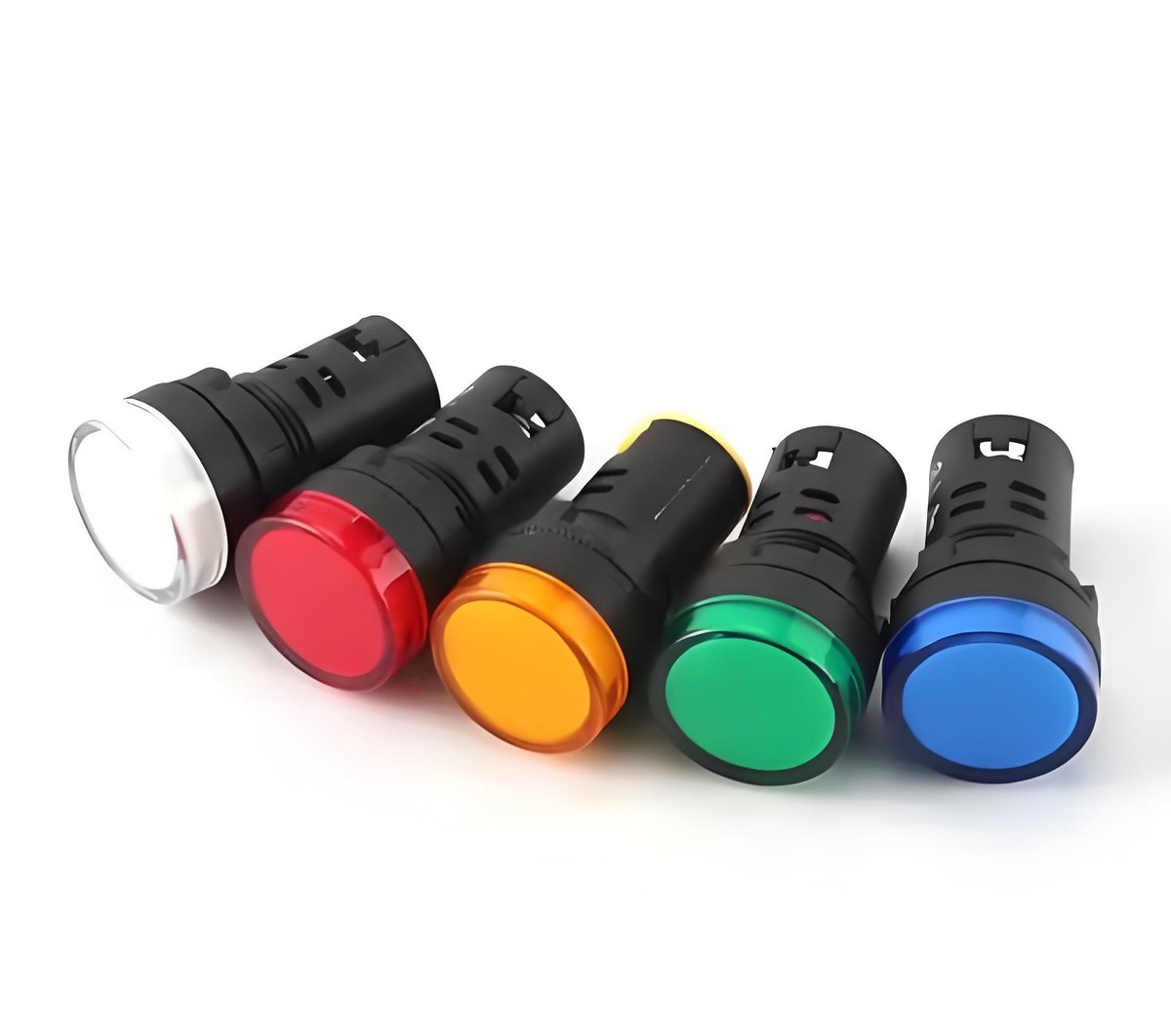
Red, green, and amber are widely used on industrial equipment, although the exact meaning depends on the function and applicable standard.
Red
Red is generally associated with an abnormal, hazardous, or urgent condition.
Typical uses include:
- Fault or alarm conditions
- Emergency conditions
- Conditions requiring immediate attention
- Certain stop or shutdown indications
Because red carries a strong warning meaning, it should be used carefully and consistently.
Green
Green is commonly used to indicate a normal or satisfactory condition.
Typical uses include:
- Normal operation
- Ready status
- Satisfactory operating condition
- Confirmation that a required condition has been achieved
Green should not automatically be interpreted as “power on” in every application. Its meaning should be defined by the machine or system function.

Amber or Yellow
Amber or yellow generally indicates an abnormal condition that requires attention but is not necessarily an immediate hazard.
Typical uses include:
- Warning conditions
- Reduced or degraded operation
- Maintenance requirements
- Conditions approaching a limit
Amber is useful when operators need to take notice or prepare for action without treating the condition as an emergency.

LED Indicator Color Reference
The exact interpretation should always be confirmed against the applicable standard and the intended function of the equipment.
| Color | Common Meaning | Typical Applications |
|---|---|---|
| Red | Danger, fault, emergency, abnormal condition | Alarm, fault indication, emergency condition |
| Green | Normal or satisfactory condition | Ready, normal operation, successful status |
| Amber / Yellow | Warning or attention required | Maintenance, degraded operation, abnormal condition |
| Blue | Mandatory action or application-specific information | Operator action, process information |
| White | Neutral or general information | General status, backlighting, auxiliary indication |
IEC 60073 and Indicator Color Coding
Standards note
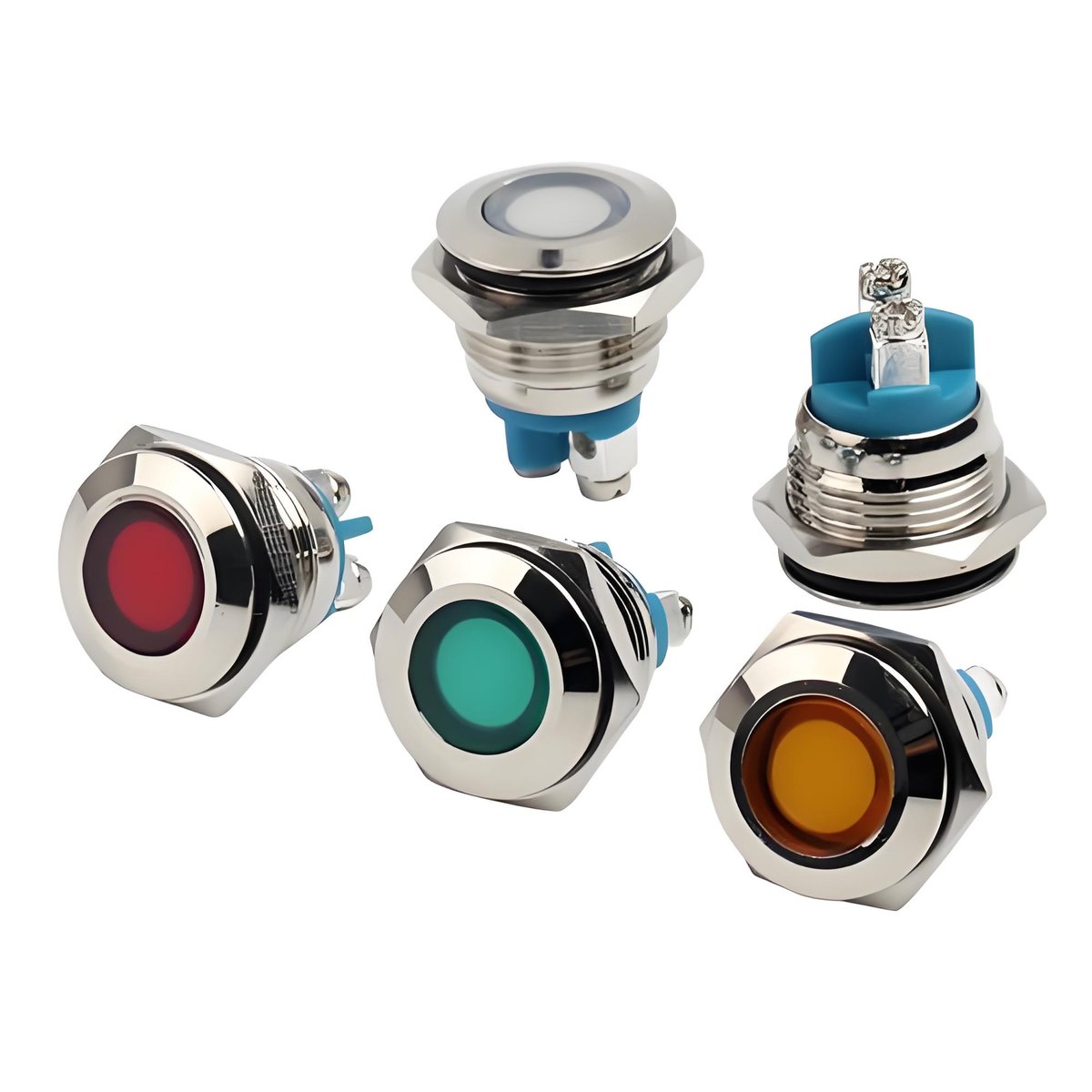
IEC 60073 provides general principles for coding indicators and actuators using visual, acoustic, and tactile means.
For visual indicators, color is used to help communicate operating conditions and priorities. Red, yellow, green, blue, and white each have defined general associations, but the correct use depends on what the indicator is communicating.
For example, red is typically reserved for emergency or dangerous conditions, while yellow is associated with abnormal conditions that require attention. Green generally indicates a normal condition.
Blue has a more specific role than simply “information.” Under IEC color-coding principles, blue is commonly associated with a condition requiring mandatory action by the operator.
White can be used where no specific meaning is assigned to another color or where a neutral indication is required.
Where safety or operating information is important, color can be combined with text, symbols, position, or flashing patterns to make the indication easier to interpret.
Using Symbols with Indicator Lights
Color is useful, but it should not always be relied on by itself.
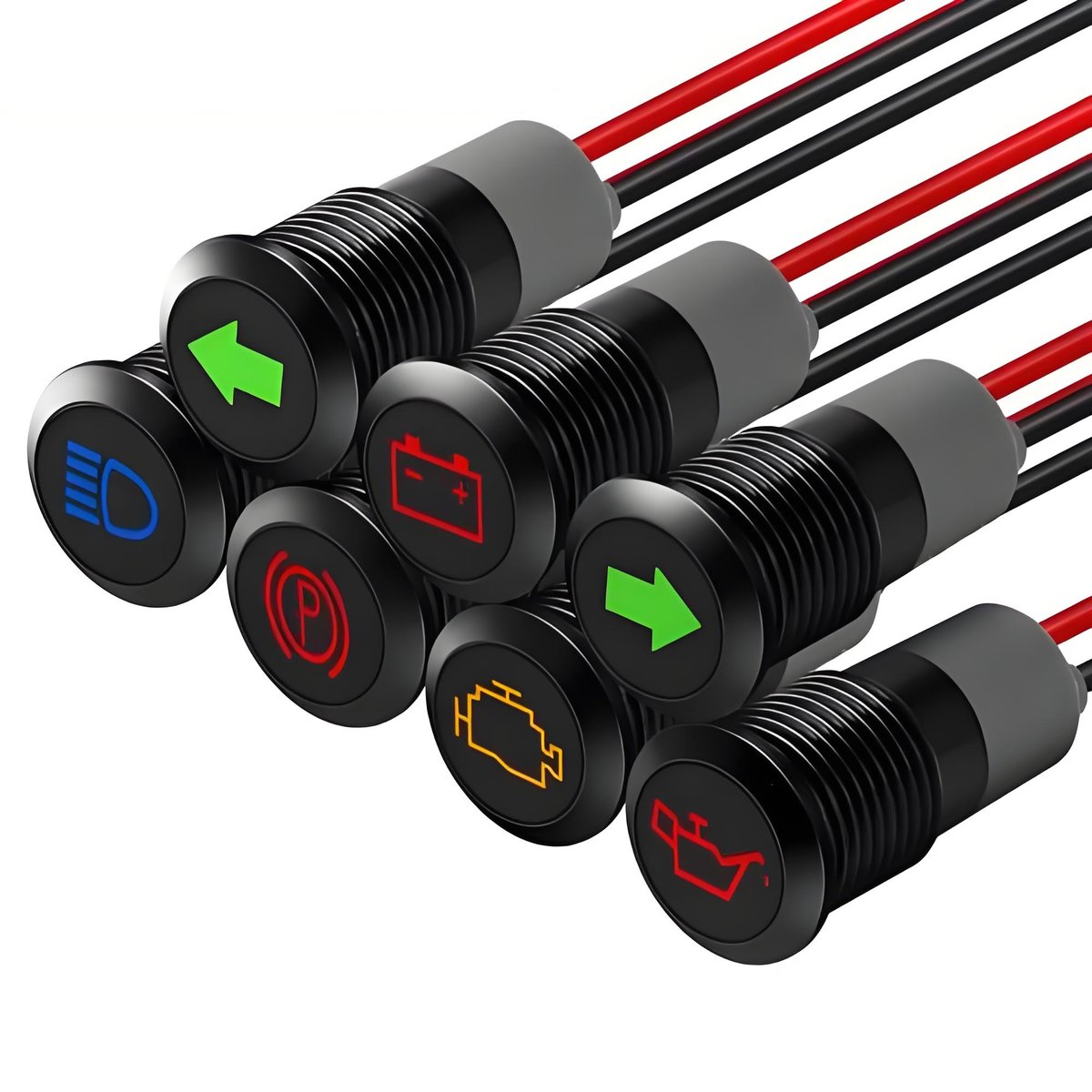
Symbols and text labels can help clarify the function of an indicator, especially on equipment used internationally or by operators with different levels of familiarity.
IEC 60417 provides standardized graphical symbols for use on equipment. These symbols can be used alongside indicator lights and controls to provide additional information about their function.
For critical indications, combining color with a clear symbol or label can reduce ambiguity. Pairing indicators with push-button switches or anti-vandal switches on the same panel also benefits from consistent color and marking conventions.

Blue and White Indicator Lights
Blue and white LEDs are common on modern equipment, but their use should still follow the function of the indicator.
Blue Indicators
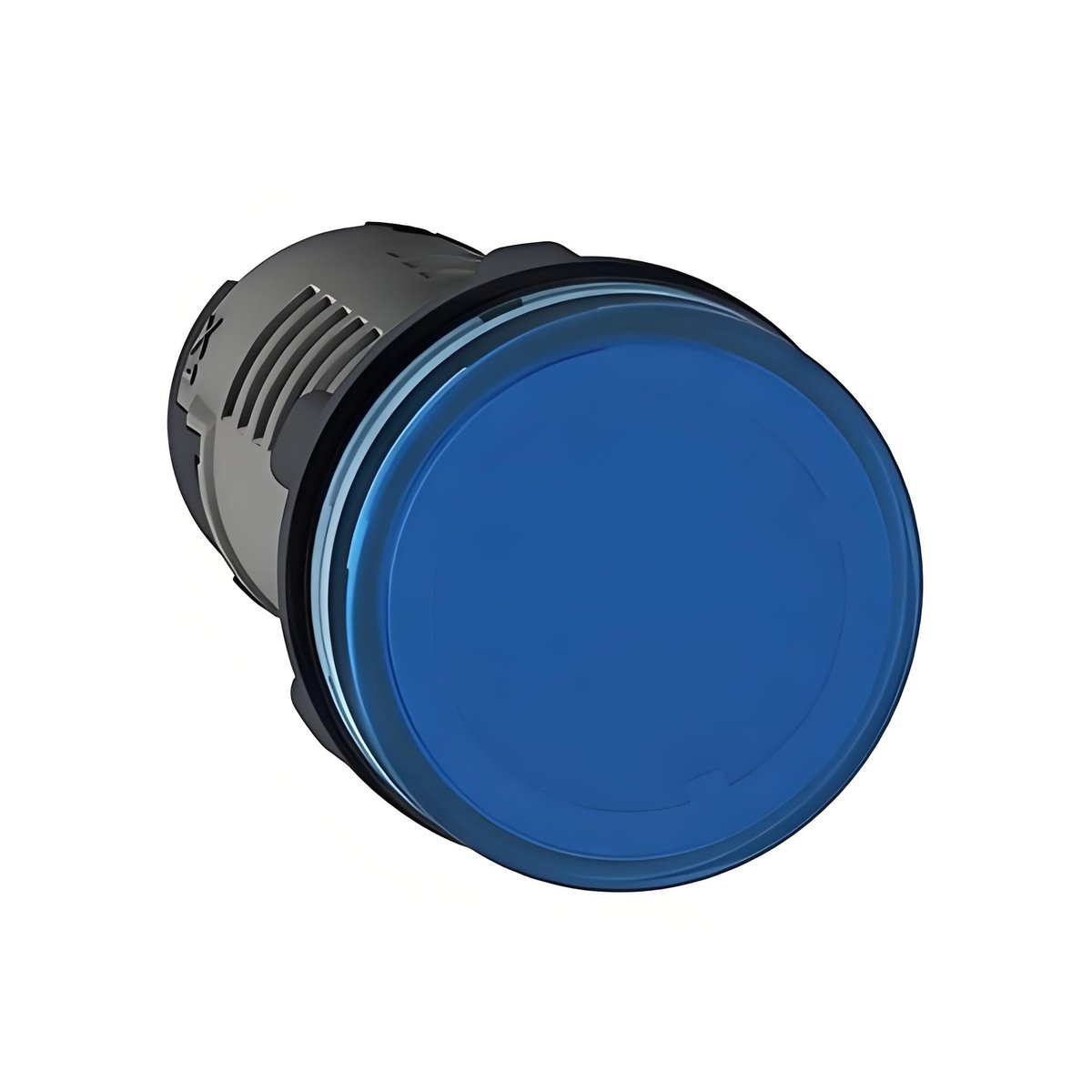
Blue may be used where an operator action is required or where a specific function has been defined by the equipment manufacturer.
Because blue can have a defined meaning under industrial color-coding standards, it should not automatically be used as a general decorative or informational color on safety-related panels.
White Indicators
White is generally used as a neutral indication where red, yellow, green, or blue would imply a meaning that is not appropriate.
Typical uses include:
- General status indication
- Backlighting
- Auxiliary functions
- Application-specific indications
If blue or white is used for a non-standard function, the meaning should be clearly identified through labeling, symbols, or equipment documentation.
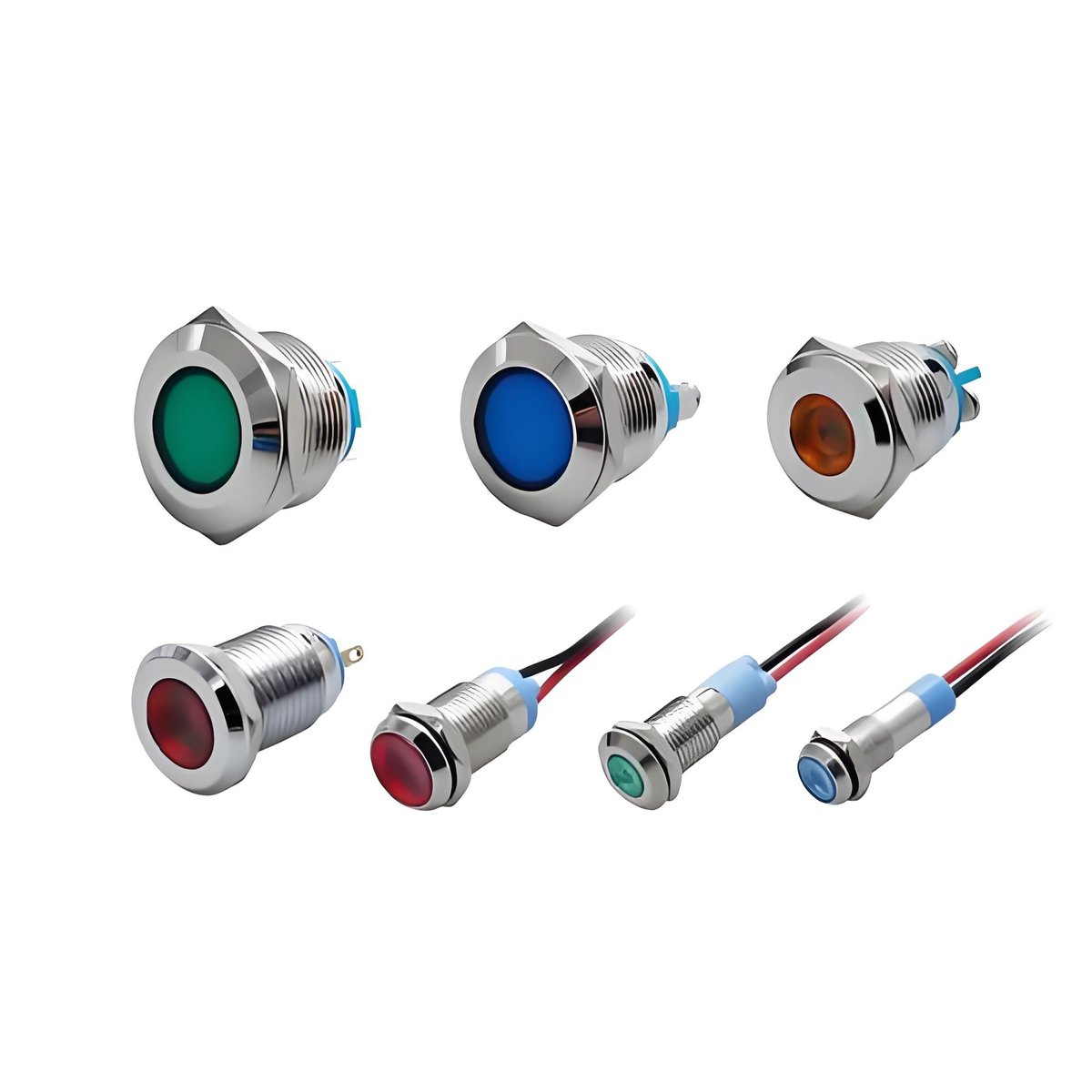
Color Consistency and LED Binning
Color consistency is also an important manufacturing consideration.
LEDs are commonly grouped according to characteristics such as wavelength, color coordinates, and luminous intensity. This process is known as binning.
Without appropriate control, LEDs from different production batches may show visible differences in color or brightness even when they are nominally the same color.
For control panels with multiple indicators, these differences can affect appearance and, in some cases, make status identification less clear.
When specifying indicator lights, check whether color consistency requirements are important for the application and confirm the relevant specifications with the manufacturer.
Brightness and Viewing Conditions
Brightness should be selected according to the environment in which the indicator will be used.
An indicator that is easy to see indoors may be difficult to read in direct sunlight, while an excessively bright LED can be uncomfortable in a dark control room.
Important factors include:
- Ambient lighting
- Viewing distance
- Viewing angle
- Panel position
- Lens design
- LED current
- Whether the indicator is steady or flashing
The appropriate brightness varies by model and application, so the product datasheet should be used when comparing indicator lights.
Testing samples under actual installation conditions can also help confirm visibility before production.
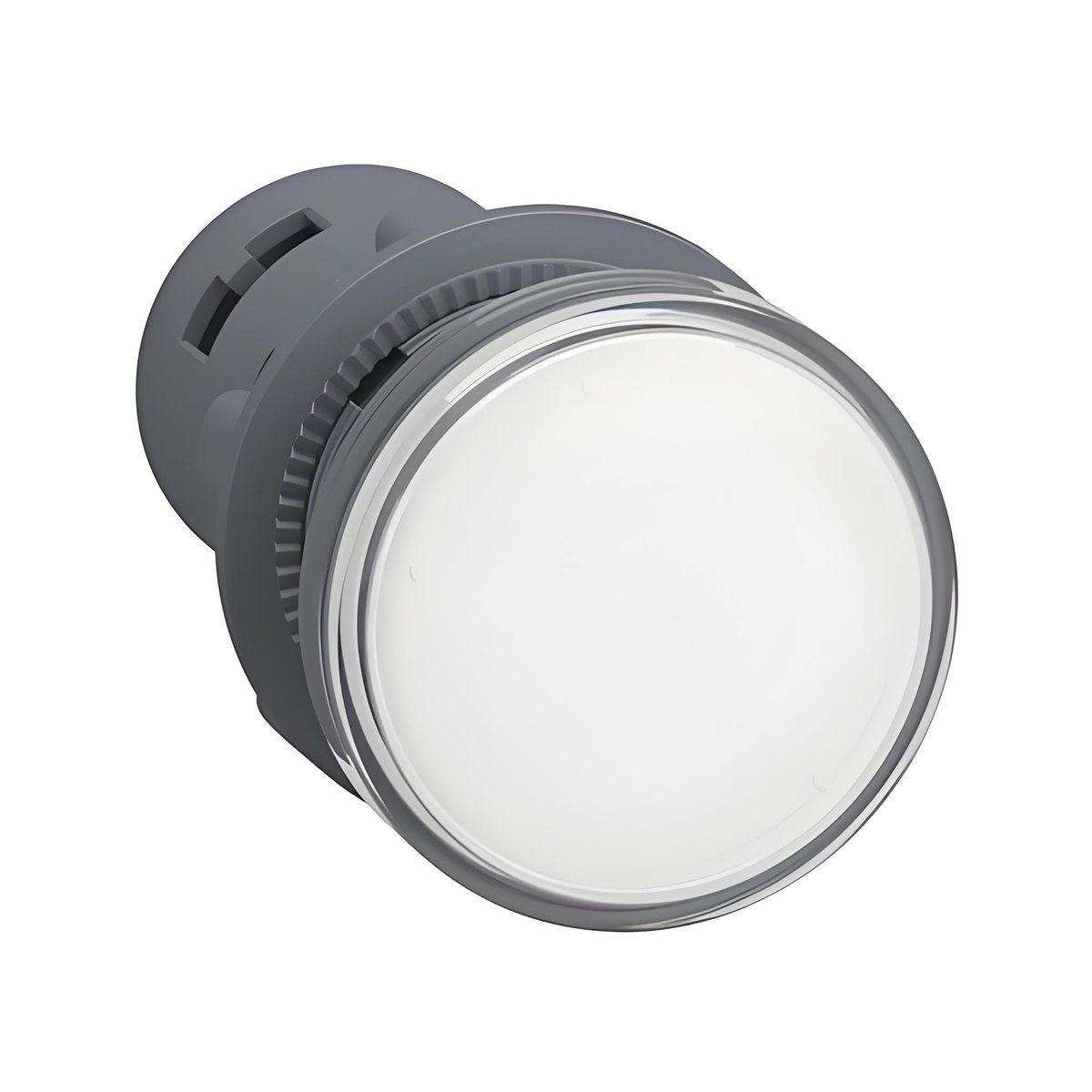
How to Choose LED Indicator Colors for a Control Panel
Start by defining the condition each indicator needs to communicate.
If the indicator represents a dangerous or urgent condition, red may be appropriate. For abnormal conditions requiring attention, amber or yellow is commonly used. Green is generally suitable for normal or satisfactory operating states.
Next, check the applicable standards and market requirements for the equipment.
For internationally supplied machinery, it is useful to standardize the color scheme across product lines and document the meaning of each indicator clearly in operating manuals and panel labels.
Also consider:
- Operating voltage
- AC or DC supply
- Mounting hole size
- Panel thickness
- IP protection requirements
- Terminal style
- Lens shape
- Viewing angle
- Brightness
- Required markings or symbols
Color is only one part of indicator-light selection. The electrical, mechanical, and environmental requirements should be evaluated at the same time.
Frequently Asked Questions
Yes. Color provides a fast visual indication of machine or system status and can help operators distinguish normal, warning, and fault conditions.
However, the meaning should be applied consistently and, where necessary, supported by labels, symbols, or other coding methods.
Not necessarily.
Red is generally associated with danger, emergency, or abnormal conditions, but the exact function depends on the equipment and applicable standard.
For this reason, red should not automatically be assigned to every “off” or “stop” condition without considering the broader control-system design.
No.
Green generally indicates a normal or satisfactory condition. In some applications this may correspond to a running or ready state, but “power on” is not a universal definition.
The indicator meaning should be based on the actual function being communicated.
It depends on the application.
On consumer products, blue is often used as a general status color. On industrial equipment, however, blue may have a defined meaning associated with mandatory operator action.
For safety-related or standards-based panel design, confirm the applicable color-coding requirements before assigning blue to a function.
Depending on the product series, indicator lights may be available with different LED colors, operating voltages, lens styles, housings, and brightness characteristics.
For OEM or ODM projects, additional customization may also be possible. Exact options should be confirmed for the selected model.
Choose the Right Indicator Light for Your Application
Selecting an indicator light involves more than choosing a color. The function being displayed, applicable standards, operating voltage, mounting dimensions, brightness, viewing conditions, and environmental requirements should all be considered.
BITUO offers indicator lights and other switch components for industrial equipment, control panels, electronic devices, and OEM/ODM projects.
If you are selecting indicator lights for a new panel or equipment design, send us your required voltage, mounting size, color, environmental conditions, and application details. Our team can help identify suitable models and provide technical documentation and samples for evaluation.
Contact BITUO Electric to discuss indicator-light requirements for your project.