


BITUO Electric Switch Guide
Choosing between a latching and momentary switch depends largely on how the switch needs to function within the circuit. While the two may look and feel similar, their operating principles and applications are quite different.
In this guide, we’ll look at the key differences between latching and momentary switches and explain what to consider when choosing the right option for your design.
What Is a Momentary Switch?
A momentary switch remains active only while it is being pressed. Once released, the contacts return to their normal position and the circuit returns to its original state. Common examples include doorbells, keyboard keys, and car horns, where the signal is needed only while the switch is activated.
Momentary operation is widely used in tact switches, push-button switches, and footswitches. Most designs use a spring-return mechanism that automatically resets the contacts when pressure is removed. This simple operating principle makes momentary switches well suited to applications that require brief or controlled input.
What Is a Latching Switch?
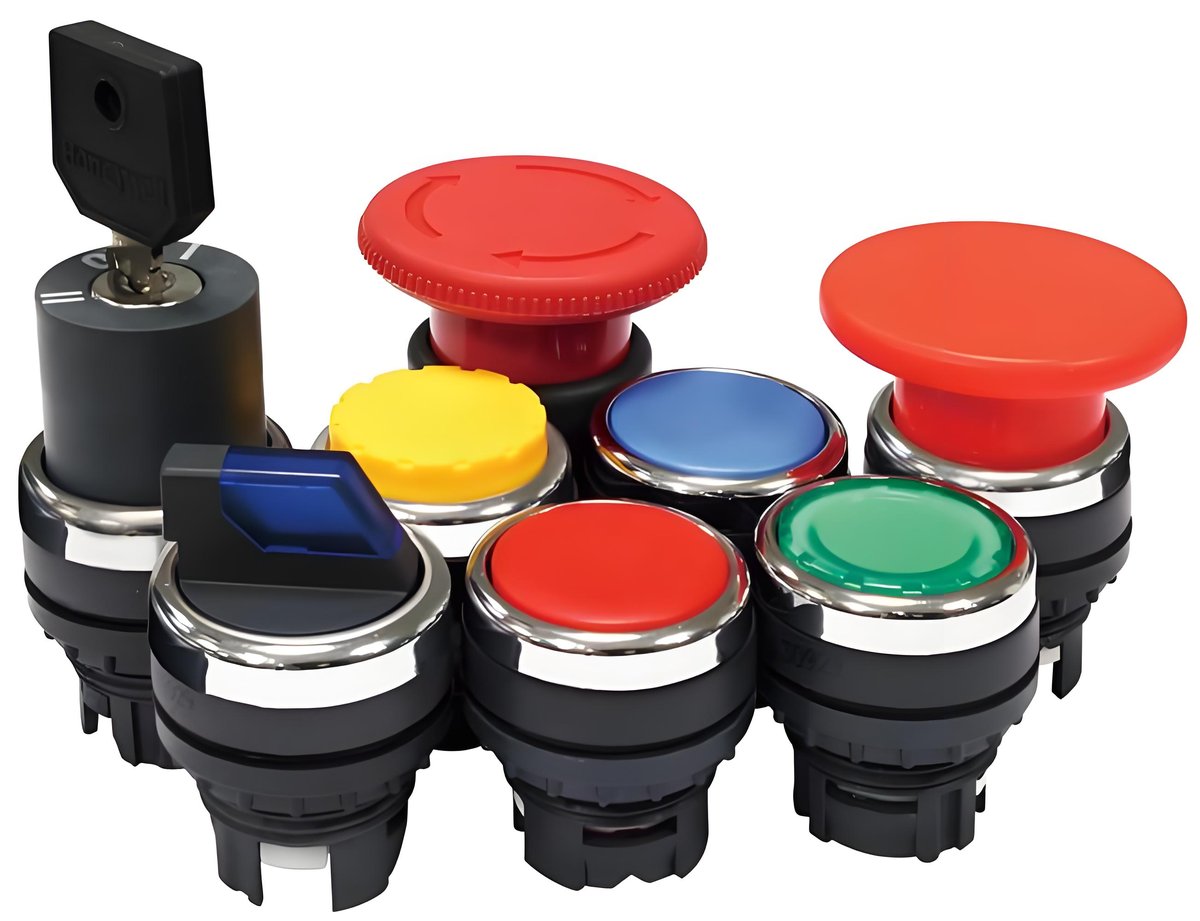
A latching switch changes state when pressed and remains in that position until it is pressed again. For example, the first press may close the circuit, while the next press opens it. Common applications include wall light switches, machine power controls, and access control panels.
Latching operation is available across many of our rocker, anti-vandal, and 24 series switches. Unlike a momentary switch, a latching switch maintains its state after the actuator is released, making it suitable for applications that require a continuous ON or OFF state without constant pressure.
How Latching and Momentary Switches Work
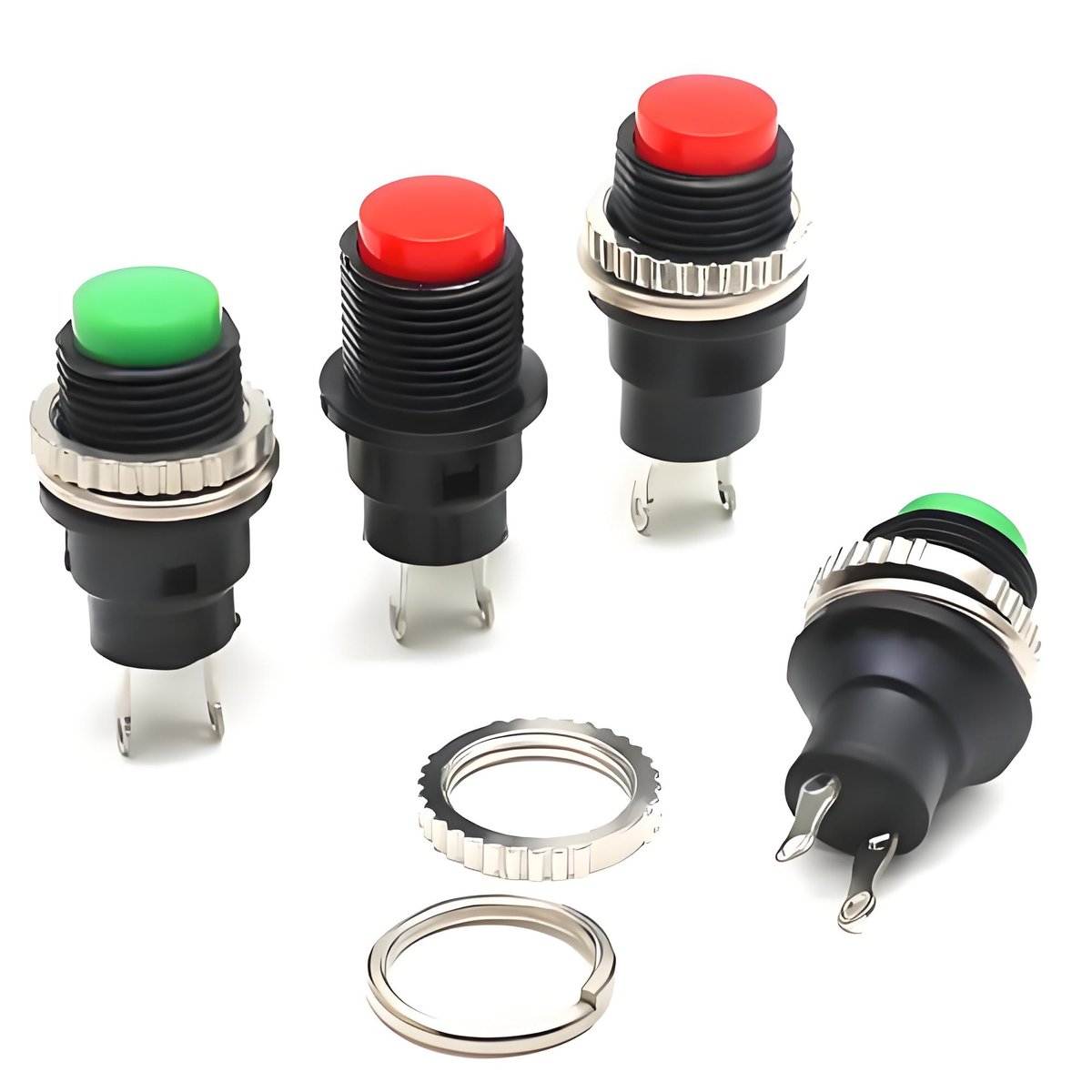
The main difference between latching and momentary switches lies in their internal mechanisms. A momentary switch uses a spring to return the contacts to their normal position when released. A latching switch includes a mechanical locking mechanism that holds the contact position after the first press and releases it with the next.
Their actuation also feels different. Momentary switches typically have a short, spring-loaded travel, while latching switches require additional travel for the locking mechanism to engage. As a result, a latching switch may feel slightly deeper or firmer when pressed.
Mechanical consistency is important for reliable operation. At BITUO, we sample-test actuation force and contact resistance during production to identify issues that could affect switch performance. Since operating force, electrical ratings, and mechanical life vary by model and load conditions, always refer to the datasheet when selecting a specific switch.
Common Applications of Latching and Momentary Switches
Momentary uses
Momentary switches are used when a circuit needs to remain active only while the switch is pressed. Typical applications include tap tempo and control functions in guitar effects, jog controls on industrial panels, interlock circuits, car horns, window controls, and start buttons.
Latching uses
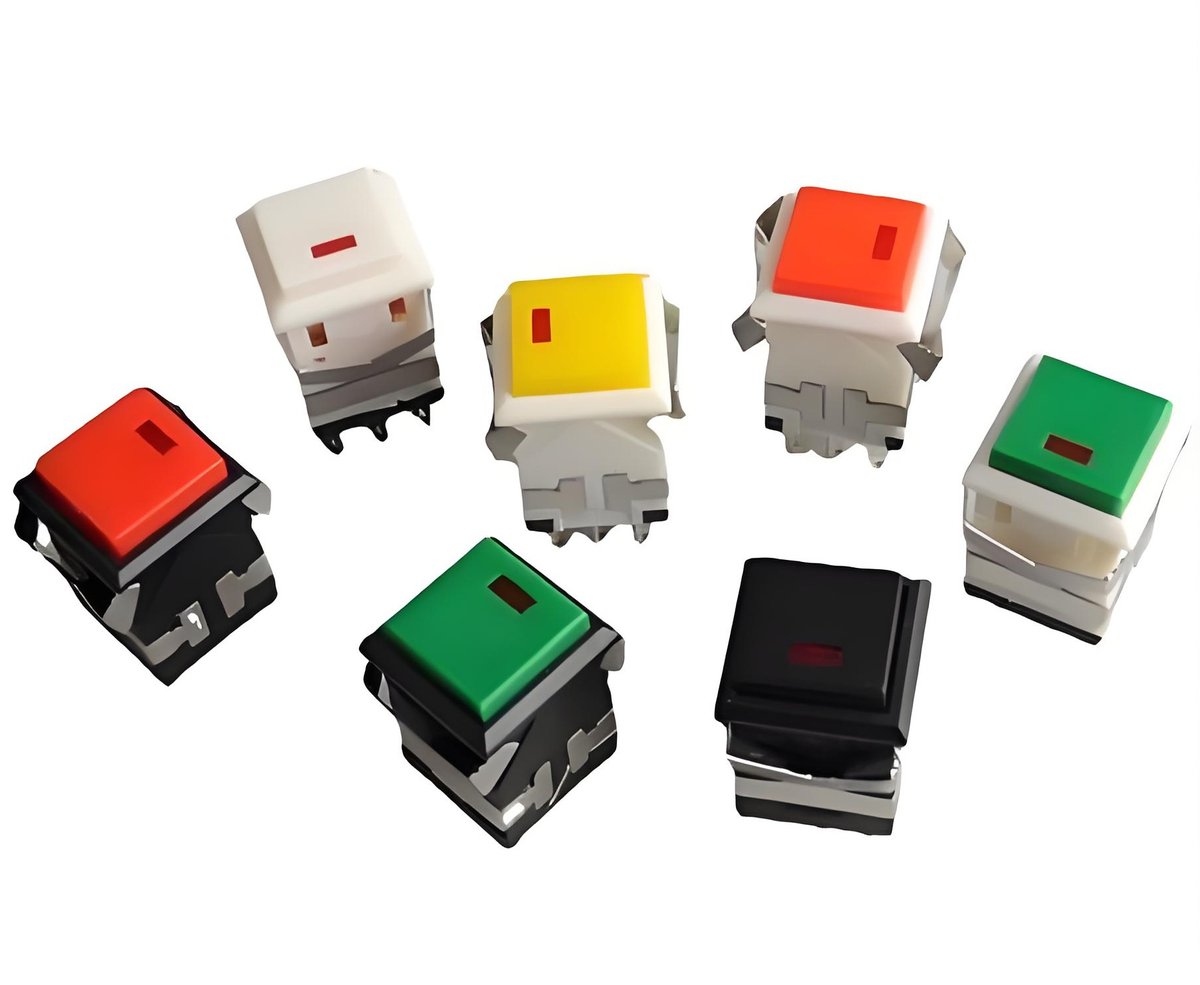
Latching switches are better suited to applications that need to maintain an ON or OFF state after the switch is released. Common examples include power switches, appliance rockers, mode selectors, access control panels, and guitar pedal footswitches. They are also frequently paired with indicator lights to provide a clear visual indication of the circuit status, such as in machinery controls and illuminated anti-vandal switch assemblies.
How to Identify Latching and Momentary Switches
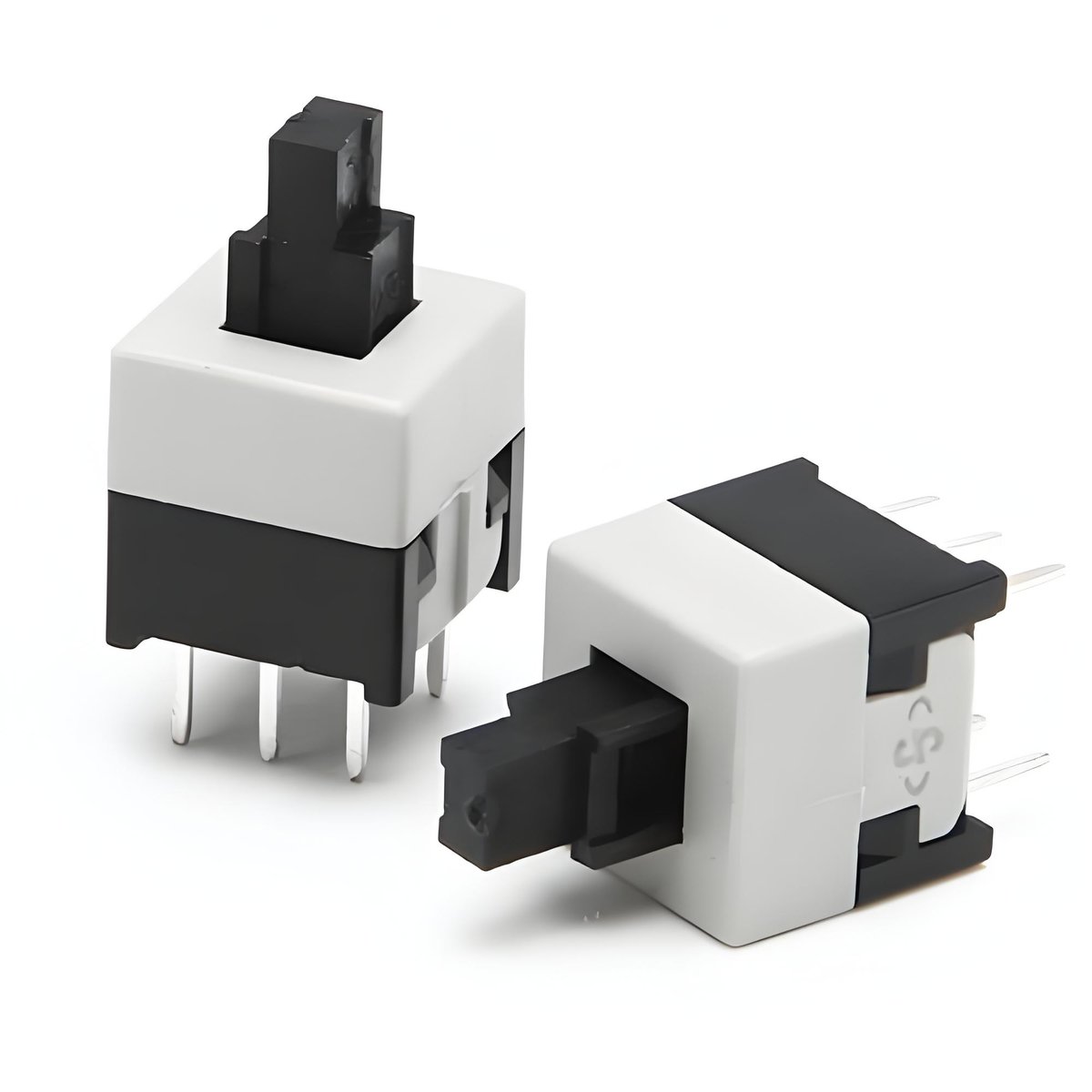
If you have a switch but no datasheet, a simple operating test can help identify the switching action:
- Press and release the actuator. If it automatically returns to its original position, the switch is typically momentary. If it remains in the new position until pressed again, it is likely latching.
- Check the actuation feel. Latching switches often have a noticeable locking action, while momentary switches usually provide a consistent spring return.
- Check the circuit diagram or markings. These may indicate the contact configuration and switching action.
- Verify the part number. For a definitive identification, refer to the manufacturer’s datasheet or product specifications.
Appearance alone is not always enough. Anti-vandal switches, for example, are often available in both momentary and latching versions with nearly identical housings. Checking the exact part number or order code before installation can prevent selecting the wrong configuration.
It is also important to distinguish between the switch mechanism and the function of the complete circuit. Some electronic devices use a momentary switch together with a control circuit that electronically maintains the ON or OFF state. The device may therefore behave like a latching switch even though the physical switch is momentary.
When evaluating samples, check the actuation and return action several times. A momentary switch should return smoothly and consistently after each press, while a latching switch should engage and release reliably. Any sticking, excessive play, or inconsistent actuation may indicate a mechanical issue.
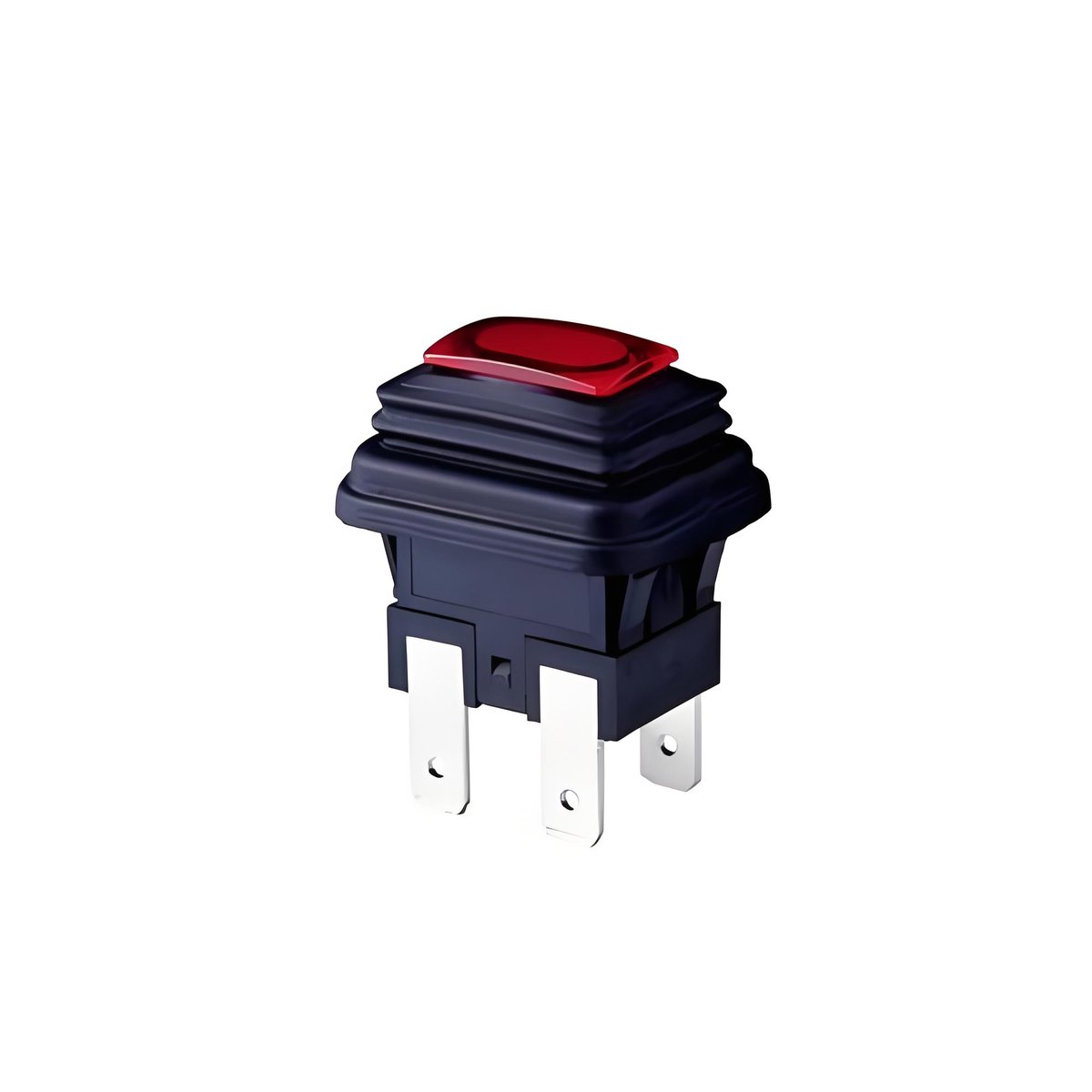
Latching vs. Momentary Switches: Key Differences
| Feature | Momentary Switch | Latching Switch |
|---|---|---|
| Action | Active only while pressed | Stays in the selected state until pressed again |
| Mechanism | Spring returns the contact | Mechanical latch holds the position |
| After release | Returns to rest position | Holds the last position |
| Typical uses | Doorbells, keyboards, jog buttons, tap tempo, interlocks | Mains power, light control, mode selectors, pedal on/off |
| Presses to change state | One press, held | One press to latch, one more to release |
| Catalog examples | Tact switches, momentary push buttons | Rocker switches, anti-vandal switches, 24 series |
How to Choose Between Latching and Momentary Switches
The right switch action depends on how the circuit should behave after the actuator is released:
Choose a latching switch
when the circuit needs to maintain its ON or OFF state without continuous pressure.
Choose a momentary switch
when the signal is required only while the switch is being pressed.
For safety or interlock circuits
select the switching action according to the required fail-safe behavior and applicable safety standards.
Consider the default state
If equipment should not remain active unintentionally, make sure the switch and control circuit provide the appropriate behavior.
In general, latching switches are well suited to power and mode controls, while momentary switches are commonly used for commands, triggers, and control inputs.
Electrical requirements are equally important. Voltage, current, load type, contact configuration, and circuit design should all be checked before selecting a switch. For higher loads or mains applications, verify that the switch is properly rated for the specific load rather than choosing based on switching action alone.
During prototyping, either behavior can also be implemented through the control circuit, allowing the design to be tested before the final switch configuration is selected. For production, defining the required switching action early helps avoid unnecessary design changes and ensures the switch matches both the electrical and operational requirements.
Conclusion
Need help choosing between a latching and momentary switch? Send us your application details, including voltage, load, and mounting requirements. Our team can recommend suitable BITUO models, provide datasheets, and arrange samples for evaluation. With experience serving OEM and ODM customers in over 70 countries, we can help you find the right switch for your application.