


Pedalboard Power Guide
A guitar pedal power supply does more than provide the correct voltage. The way power is distributed across a pedalboard can affect noise, stability, and compatibility between pedals.
At BITUO Electric, we manufacture switches, jacks, and other components used in guitar pedals and related electronic products. Based on our experience supplying customers in more than 70 countries, this guide explains the difference between isolated and daisy-chain power supplies, when each type is suitable, and what to consider when choosing power for a pedalboard.
Why Pedal Power Quality Matters
Every pedal depends on a stable DC supply. If the power source introduces ripple, interference, or unwanted ground current, that noise can enter the audio path and become audible through the amplifier.
Two common causes are power-supply noise and ground loops.
Ground loops
A ground loop can occur when connected devices share more than one ground path, allowing unwanted current to flow between them. This may introduce hum or buzz into the signal chain.
Digital noise
Digital pedals can create additional challenges. Internal processors and switching circuits operate at high frequencies and may introduce electrical noise into a shared power system if filtering and isolation are insufficient.
For this reason, power distribution should be considered as part of the overall pedalboard design rather than only as a way to provide the required voltage.
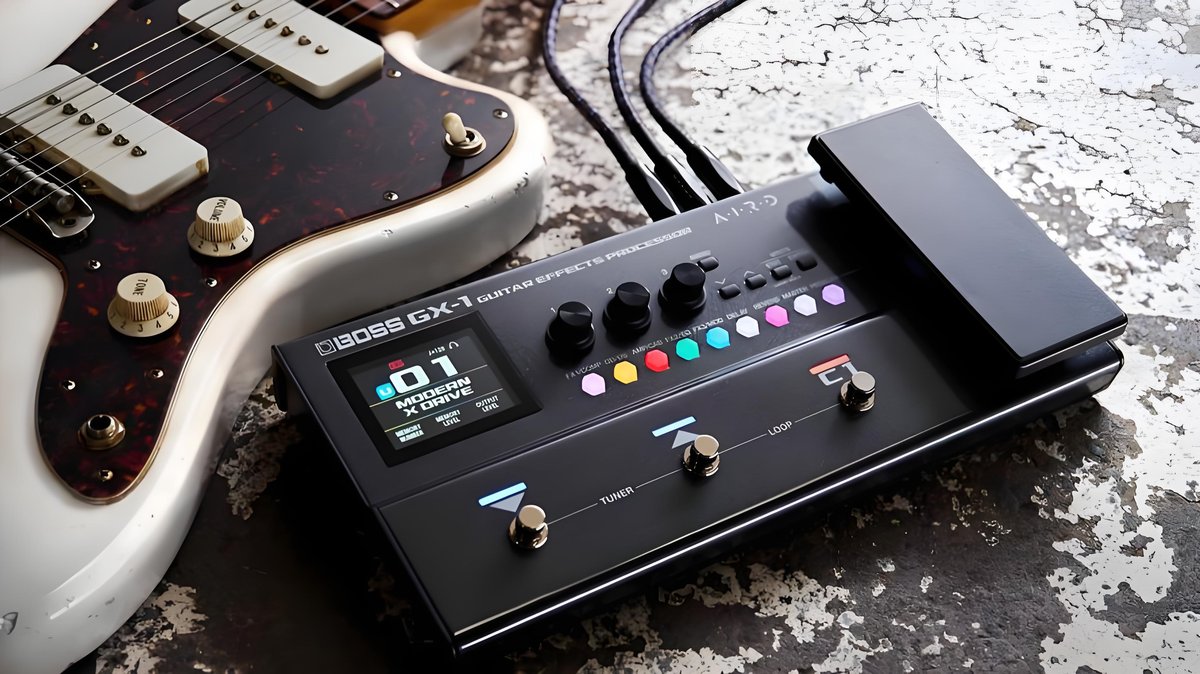
How Daisy-Chain Power Supplies Work
A daisy-chain system uses a single power adapter with one output that is divided between several pedals through a multi-plug cable.
All connected pedals share the same power source and ground path.
The main advantages are simplicity, low cost, and minimal space. A daisy chain can be a practical solution for a small pedalboard, particularly when the pedals have relatively low current requirements and are electrically compatible.
The main limitation is the shared electrical path. Noise generated by one pedal can sometimes affect other pedals on the same chain. The total available current is also limited by the rating of the adapter and must be shared between all connected devices.
If the combined current demand approaches the adapter’s capacity, voltage stability may also become an issue.
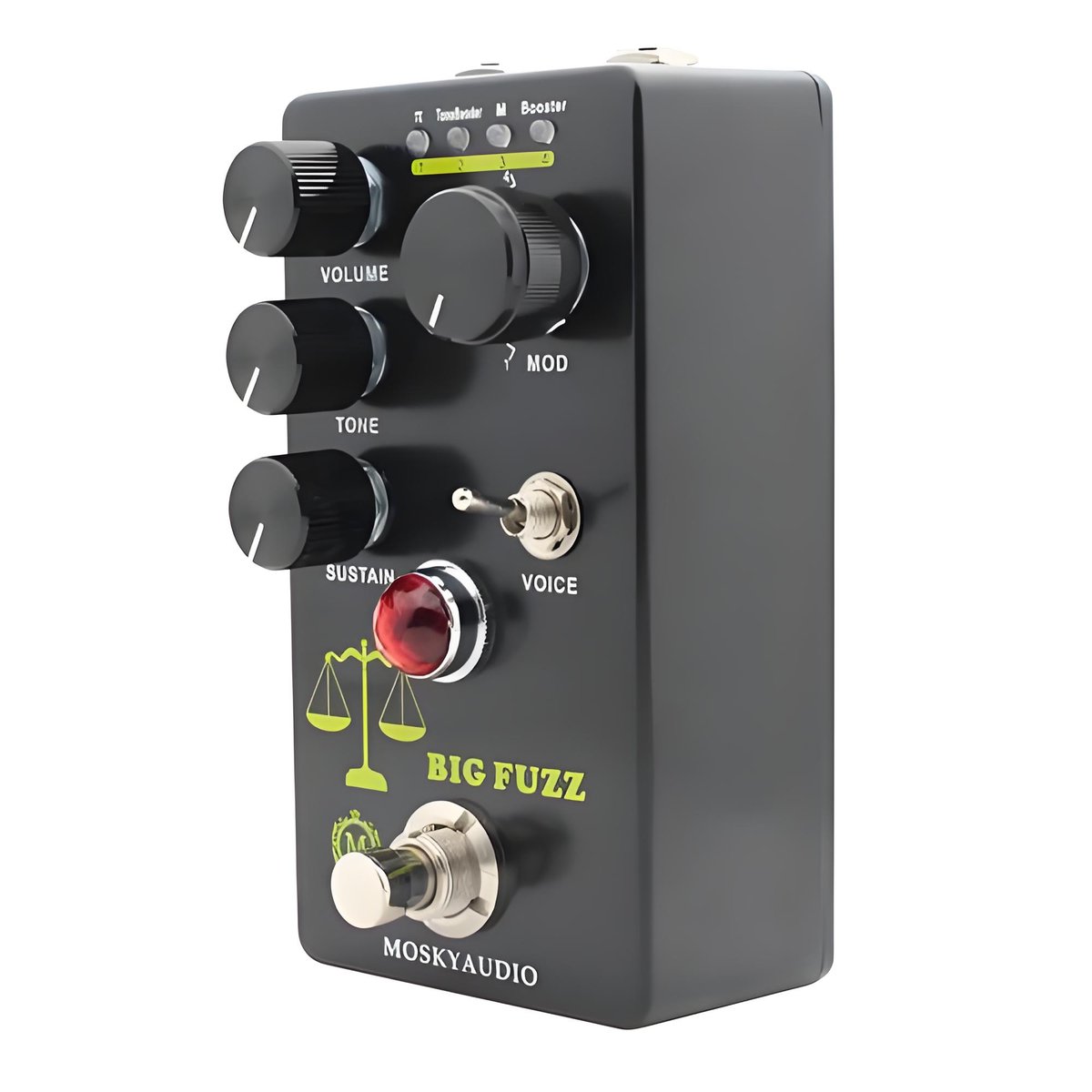
How Isolated Power Supplies Work
An isolated pedal power supply provides electrically separated outputs so that each pedal has its own power path.
Depending on the design, isolation may be achieved through separate transformer windings or independent DC-DC conversion stages.
Electrical isolation helps reduce interaction between pedals because unwanted ground currents and switching noise are less likely to travel from one output to another.
This can be particularly useful on pedalboards that combine analog and digital effects, use several high-current pedals, or are operated in environments where electrical noise is difficult to control.
However, not all multi-output power supplies provide the same level of isolation. Separate output connectors alone do not necessarily mean the outputs are electrically isolated.
When comparing power supplies, review the manufacturer’s technical specifications to confirm how the outputs are isolated and regulated.
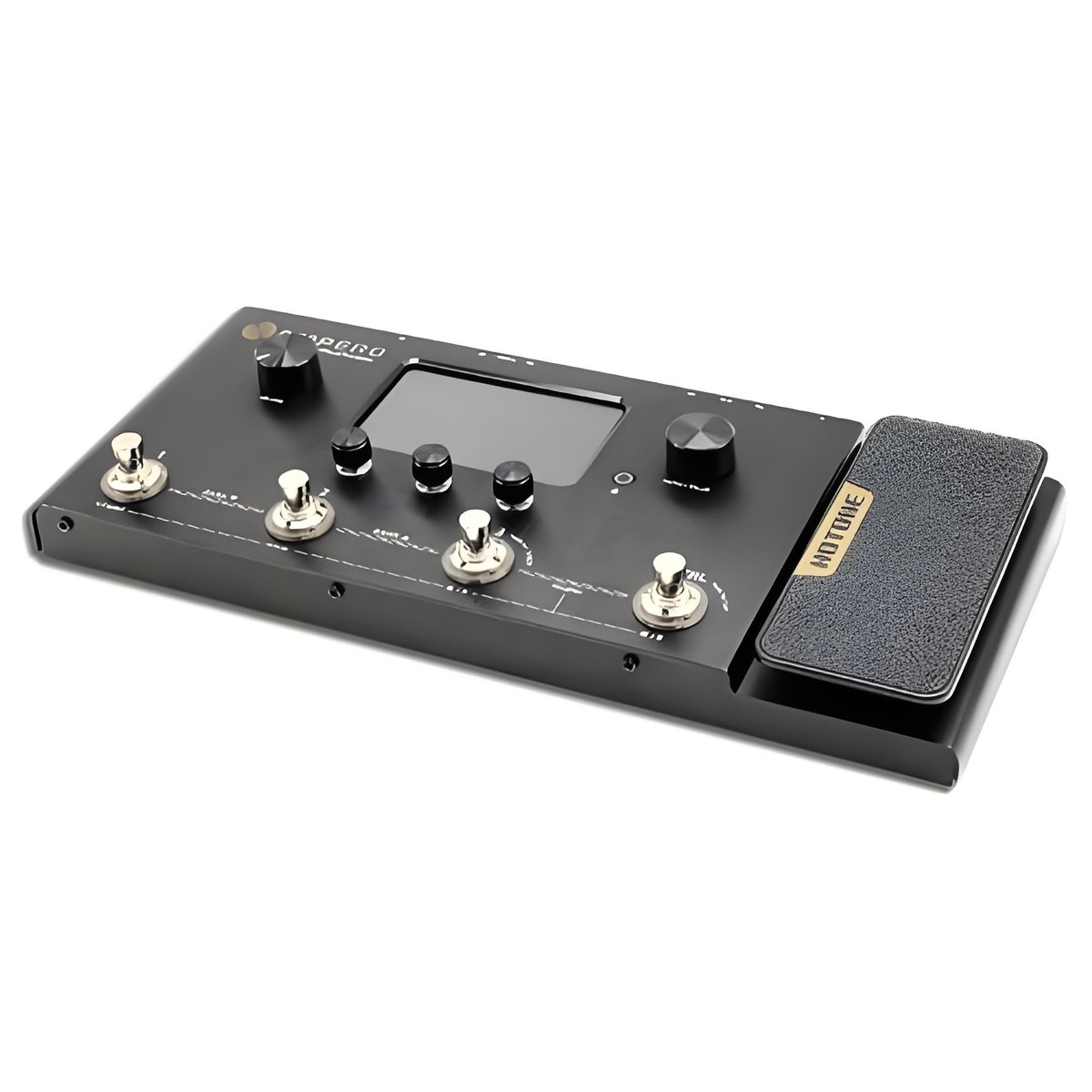
Isolated vs. Daisy Chain: When Does It Matter?
Daisy chain
A daisy chain can work well for a simple pedalboard where all pedals operate at compatible voltages and polarity, current demand is low, and no significant noise problems are present.
Isolated
Isolation becomes more useful as the pedalboard becomes more complex.
Digital delays, reverbs, loopers, multi-effects units, and other processor-based pedals often draw more current and can introduce switching noise into a shared supply. Mixing analog and digital pedals on the same daisy chain can therefore increase the likelihood of audible interference.
An isolated supply may also be preferable where pedals have different grounding characteristics or where hum appears after additional pedals are added.
In general, a daisy chain is suitable for simple, low-current setups, while isolated outputs provide greater separation and flexibility for larger or mixed pedalboards.
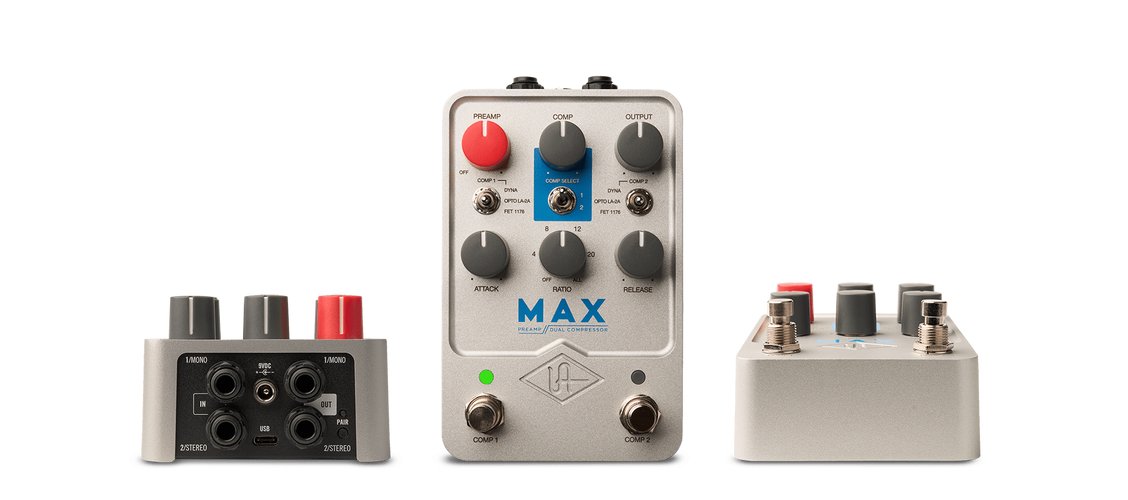
Current Draw: How Much Power Does a Pedal Need?
Each pedal has a specified voltage, polarity, and current requirement.
Many guitar pedals use 9 VDC with center-negative polarity, but this is not universal. Some pedals require 12 V, 18 V, center-positive polarity, or other configurations.
Always check the pedal manufacturer’s specifications before connecting a power supply. Correct DC jack and DC audio jack selection also matters when designing or repairing pedals.
Current requirements also vary considerably. A simple analog pedal may draw only a small amount of current, while a digital delay, reverb, looper, or multi-effects pedal may require several hundred milliamps.
The power supply must be able to provide at least the current required by each pedal. For a shared supply, the combined current demand of all connected pedals must remain within the adapter’s rated output.
For isolated supplies, check both the current rating of each individual output and the total capacity of the unit where applicable.
Allowing reasonable current headroom can help maintain stable operation, particularly with pedals whose current demand changes during startup or operation.
Choosing the Right Guitar Pedal Power Supply
Start by listing the electrical requirements of every pedal on the board.
Check:
-
Required voltage
-
Polarity
-
Current draw
-
Number of pedals
-
Whether any pedals require isolated outputs
-
Whether any pedal needs 12 V, 18 V, or another non-standard voltage
Next, consider how the board may expand. A power supply with additional suitable outputs can make future changes easier.
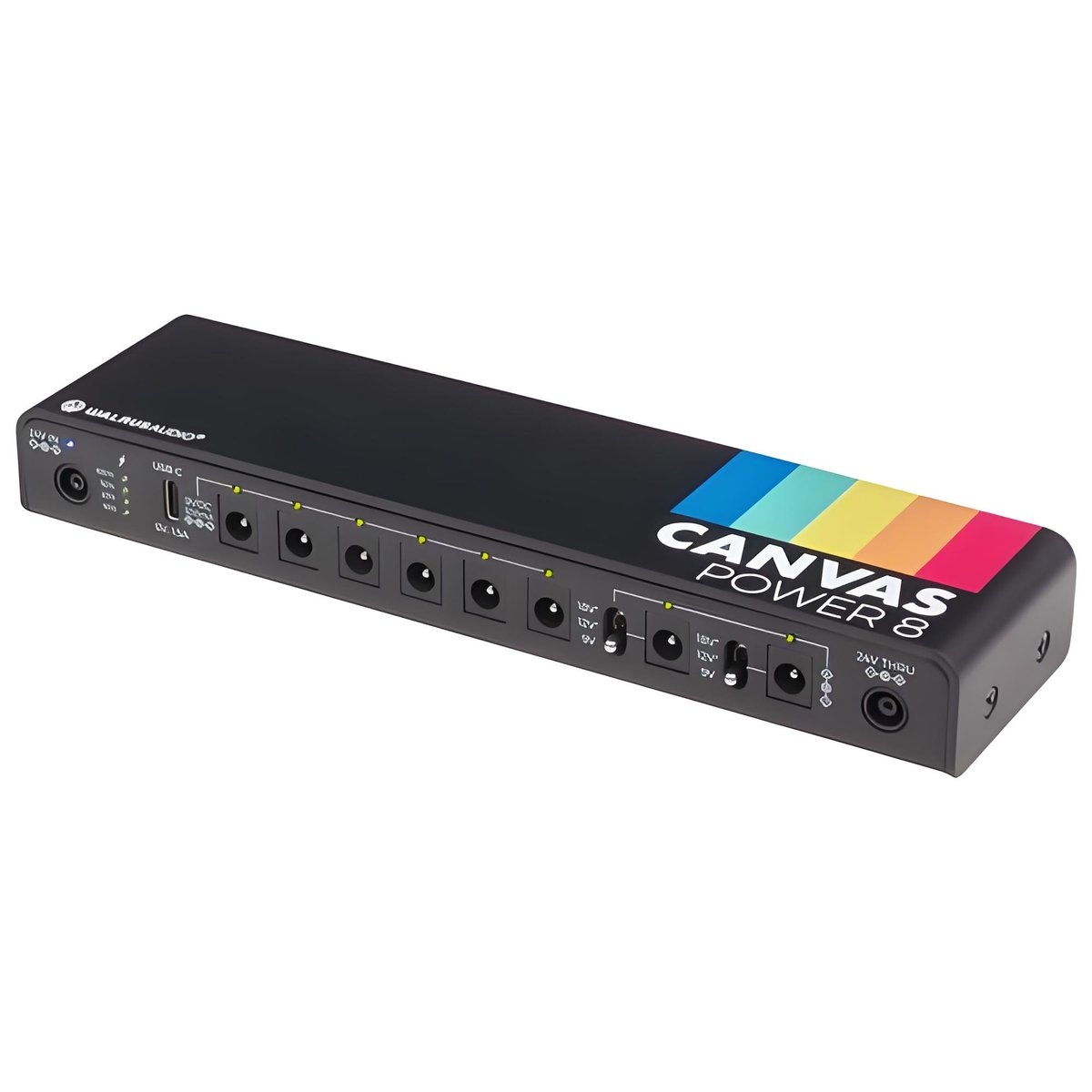
Physical installation also matters. Some power supplies are designed to mount underneath a pedalboard, while others sit on top. Check available space, cable routing, connector access, and ventilation before choosing a unit.
Cable quality and connector fit should also be considered, especially for boards that are frequently transported or used on stage.
For professional or high-value pedalboards, it is generally better to evaluate the complete power system rather than focusing only on output count or price.
Isolated vs. Daisy Chain: Key Differences
| Feature | Daisy Chain | Isolated Power Supply |
|---|---|---|
| Power distribution | One supply shared by multiple pedals | Separate outputs for individual pedals |
| Ground path | Shared | Electrically separated between outputs |
| Noise interaction | Greater potential for noise transfer | Reduced interaction between outputs |
| Current capacity | Limited by the shared adapter | Depends on individual and total output ratings |
| Cost | Generally lower | Generally higher |
| Setup | Simple | Requires more output and cable planning |
| Best suited for | Small, compatible pedalboards | Larger boards, digital pedals, or mixed setups |
| Expansion | Limited by adapter capacity and cable configuration | Often easier if spare outputs are available |
Common Power-Supply Mistakes
Assuming All 9 V Pedals Are Compatible
Matching voltage alone is not enough. Polarity and current requirements must also be checked.
Exceeding the Available Current
The power supply should be able to provide the required current without exceeding its rated capacity.
Assuming Multiple Outputs Are Automatically Isolated
A power supply can have several output connectors while still sharing a common ground internally. Check the technical specifications for true electrical isolation.
Mixing Pedals Without Checking Noise Interaction
Some pedal combinations operate quietly from a shared supply, while others introduce hum or high-frequency noise. If noise appears only when certain pedals are connected together, the power distribution should be investigated.
Frequently Asked Questions
Yes, provided the pedals are electrically compatible and the supply provides sufficient current.
However, some digital pedals can introduce switching noise into a shared power system. If hum, hiss, or high-frequency noise appears when pedals share the same supply, isolated outputs may help reduce the interaction.
Check the pedal manufacturer’s manual, datasheet, or product label.
Use the specified current requirement at the required operating voltage. Do not estimate current draw based only on pedal type or enclosure size.
In general, a pedal draws the current it requires, so a power supply can have a higher available current rating than the pedal’s minimum requirement, provided the voltage, polarity, connector, and other electrical specifications are correct.
No.
Price alone does not indicate electrical isolation, regulation quality, current capacity, or compatibility with your pedals.
Compare the technical specifications that matter for your board, including output isolation, voltage options, current per output, total capacity, connector type, and physical size.
Reliable Components for Guitar Pedal Designs
A stable power system depends on more than the external power supply. DC jacks, footswitches, 3PDT switches, momentary footswitches, connectors, and other internal components also affect the reliability of a guitar pedal.
If you are developing a guitar pedal or sourcing guitar pedal parts for a new product, send us your electrical and mechanical requirements. Our team can help identify suitable components, provide technical documentation, and arrange samples for evaluation.
Contact BITUO Electric to discuss components for your next guitar pedal project.