


In electrical and electronic systems, switches are key components for controlling the flow of electric current. From simple household appliances to complex industrial machinery, switches are used everywhere. Among the many types of switches, microswitches stand out due to their high precision and sensitivity.
Understanding the differences between standard switches and microswitches helps users select the appropriate component for a specific application. Although both have the same basic function, their structure, performance, and application scenarios are quite different.
What Is a Standard Switch?
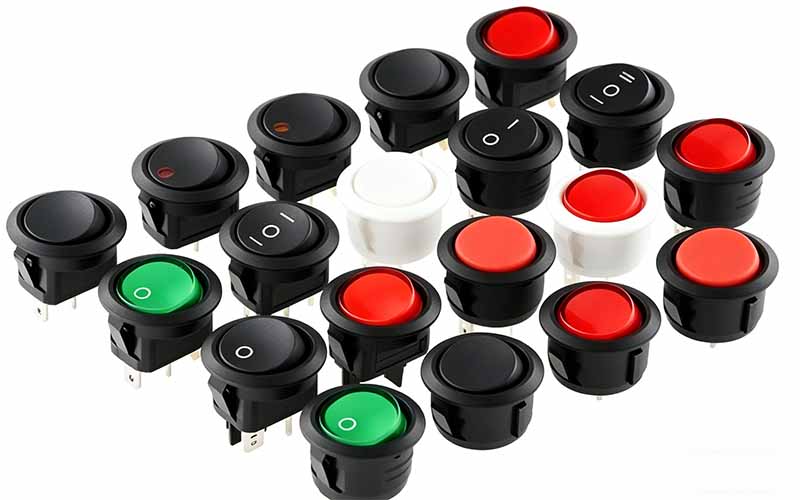
A standard switch is a general electrical component used to connect or disconnect a circuit. It works by opening or closing a conductive path, allowing current to flow or stopping it when needed.
Standard switches are available in many forms, including toggle switches, push buttons, and slide switches. They are commonly operated manually and are widely used in everyday applications such as lighting systems, household appliances, industrial controls, and electronic devices.
These switches are designed for general use and are often built to handle a wide range of electrical loads. Their structure is usually larger and more robust compared to more specialized switch types.
What Is a Micro Switch?
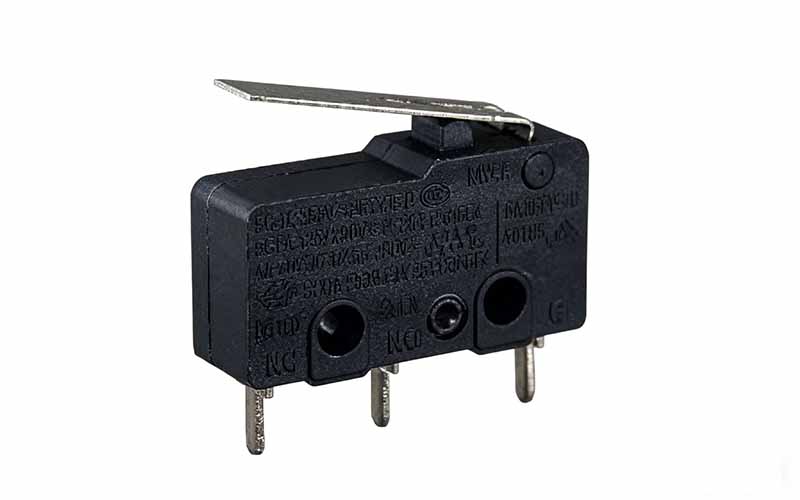
A micro switch is a compact electromechanical switch designed to operate with very little physical force. It uses a snap action mechanism that allows it to switch states quickly and reliably with minimal movement.
Unlike standard switches, micro switches are highly sensitive and can detect very small changes in position or pressure. Their internal mechanism ensures that the switching action happens at a precise point, regardless of how slowly or quickly the actuator is pressed.
Because of their compact size and high accuracy, micro switches are often used in applications where precise control and repeatability are required.
Key Differences Between a Switch and a Micro Switch
Although both types of switches control electrical circuits, they differ in several important ways.
| Aspect | Standard Switch | Micro Switch |
| Size and structure | Generally larger and designed for manual operation with visible actuators such as levers or buttons | Much smaller and more compact, suitable for tight spaces and integrated designs |
| Operating force | Requires a moderate amount of force and is intended for direct user interaction | Requires very little force and is suitable for detecting small movements |
| Switching mechanism | Relies on direct mechanical movement to open or close contacts | Uses a snap action mechanism for fast and consistent switching |
| Precision and sensitivity | Suitable for general control but offers limited precision | Designed for high accuracy and repeatable performance across many cycles |
| Durability and lifespan | Durable and capable of handling higher electrical loads in many applications | Highly durable and optimized for frequent operation with long cycle life |
How Micro Switches Work?
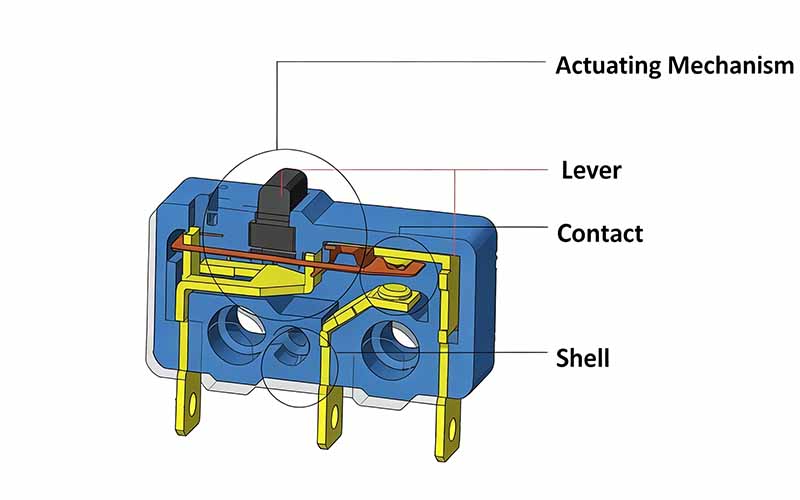
The operation of a micro switch is based on an internal spring mechanism. When force is applied to the actuator, the spring stores energy until it reaches a tipping point. At that moment, the contacts change position rapidly, completing or breaking the circuit.
This snap action ensures that the switch changes state quickly and reliably, even if the applied force is slow or inconsistent. It also helps reduce electrical arcing and improves the lifespan of the contacts.
Where Standard Switches Are Commonly Applied?
Standard switches are widely used in everyday electrical systems because they provide simple and dependable control. Their straightforward operation makes them suitable for applications that require direct user interaction.
 Residential Settings: In residential settings, standard switches are used to operate lighting, fans, and household appliances. Their ease of use allows users to control devices quickly and efficiently.
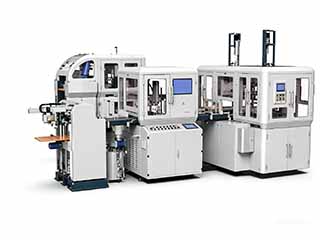 Industrial Environments: In industrial environments, they are integrated into machinery and control panels to manage power and system functions. Their ability to handle higher electrical loads makes them suitable for equipment that requires stable and continuous operation.
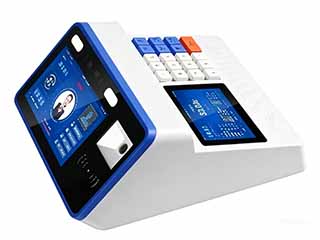 Consumer Electronics: In consumer electronic products, standard switches are found in devices such as audio equipment and handheld controllers. They provide basic control functions while maintaining reliability across different usage conditions.
Because of their durability and versatility, standard switches remain a practical solution for general purpose applications across many industries.
Where Micro Switches Are Typically Used?
Micro switches are designed for applications that require precise control and fast response. Their sensitivity and compact structure make them suitable for systems where accurate detection is important.
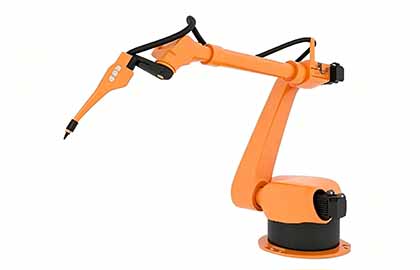
Industrial Machinery: In industrial machinery, micro switches are often used to monitor the position of moving components. They act as limit controls that help ensure equipment operates within safe and defined ranges.

Automotive Systems: In automotive systems, they are used for functions such as detecting door positions or activating braking related systems. Their ability to respond quickly to small movements supports reliable performance.
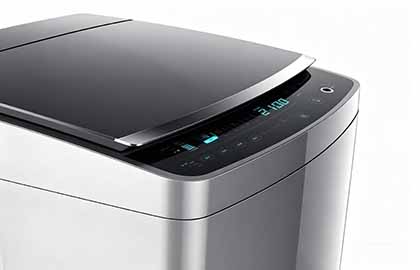
Household Appliances: In household appliances, micro switches are commonly used in safety and control mechanisms. They help manage functions such as door sensing and operational control, ensuring proper device behavior.

Electronic Devices: In electronic devices, micro switches are used as input components and detection elements. Their precise response allows them to support buttons, sensors, and control interfaces in compact designs.
Thanks to their accuracy and consistent performance, micro switches are widely used in applications where reliable and repeatable operation is required.
How to Select the Right Switch for Different Applications?
Choosing between a standard switch and a micro switch requires a clear understanding of how the device will be used in real conditions. Each type is designed for different levels of control, responsiveness, and operating environments, so making the right selection can improve both performance and reliability.
For applications that involve simple on and off control, a standard switch is often the most practical option. These switches are easy to operate, can handle higher electrical loads, and are well suited for situations where direct user interaction is required.
In contrast, micro switches are better suited for applications that require precision and quick response. Their ability to activate with minimal force makes them ideal for detecting position, movement, or pressure changes. This makes them a strong choice for systems that rely on accurate and repeatable operation.
When selecting a switch, it is also important to consider practical factors such as available space, electrical capacity, and environmental conditions. Compact designs may be necessary for space limited devices, while more durable materials may be required for harsh environments.
Conclusion
Switches are fundamental components of electrical systems, but not all switches are created equal. Standard switches provide reliable control for general applications, while micro switches offer higher precision, sensitivity, and a compact design.
A thorough understanding of the differences between standard switches and micro switches is crucial to determining the final choice. Because micro switches can provide the required precise control in a smaller space, they are ideal for processes requiring precise operation. They are also durable, reliable, and can meet a variety of switching needs.
BITUO ELECTRIC offers standard switches and micro switches, as well as a full range of high-quality components to meet diverse application requirements. Visit the BITUO ELECTRIC website to view a variety of switches and find the ideal choice for your equipment and installation.