


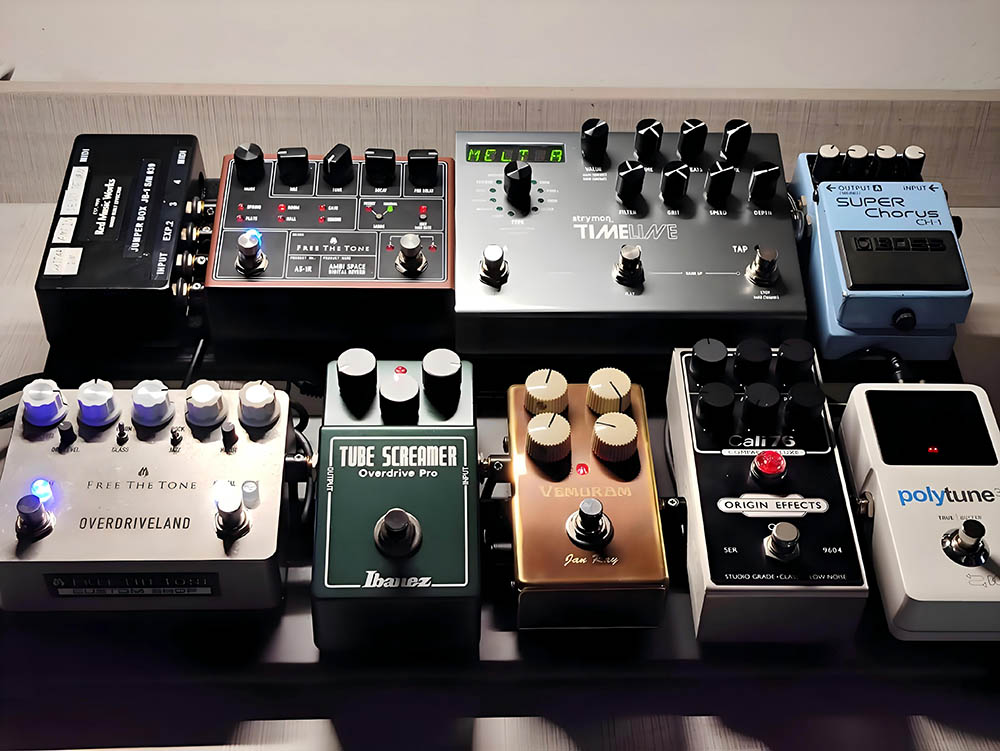
Building your own guitar pedal starts with picking the right hardware. The enclosure, footswitch, knobs, and jacks you choose affect how your pedal sounds, how long it lasts, and how easy it is to build.
Bituoelec manufactures a full range of guitar pedal parts including enclosures, switches, knobs, and connectors for hobbyists and small-batch builders. This guide walks through each hardware component and what to look for when sourcing parts for your next build.
Why Hardware Choice Matters in DIY Pedal Building
When people talk about building pedals, the focus is usually on the circuit. But the hardware you pick has a direct impact on reliability and playability. A poorly mounted footswitch can fail after a few gigs. A cheap audio jack can introduce noise. The wrong knob size can make adjustments awkward on a dark stage.
Think of your pedal hardware as the foundation. The circuit determines the sound, but the hardware determines whether the pedal stays on your board for years or ends up in a drawer. Taking a few extra minutes to select the right parts at the start saves time and frustration later.
Guitar Pedal Enclosures: Size, Material, and Finish
Aluminum Is the Standard
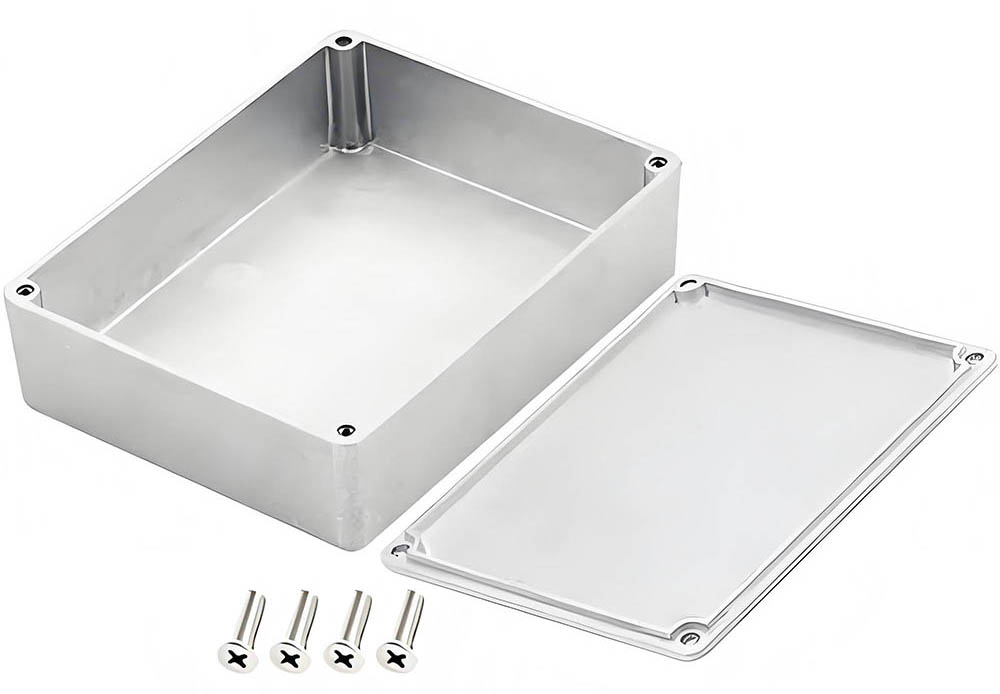
Most DIY pedals use aluminum enclosures. They are lightweight, easy to drill, and shield the circuit from outside interference.
The most common size is the 1590B, which measures roughly 4.4 by 2.4 by 1.1 inches and fits a standard circuit board with room for two to four knobs and a footswitch. For more complex builds with more controls, the larger 1590BB or 125B sizes give you the extra space.
Die-cast aluminum is the go-to choice because it is affordable and easy to work with. If you want a more polished look, you can find enclosures with a powder-coated finish in a range of colors.
Some manufacturers, including Bituoelec, offer aluminum enclosures with pre-drilled holes, which removes one of the trickiest steps from the build process. Pre-drilled enclosures save time and reduce the chance of misaligned components.
Footswitches: What to Look For
3PDT vs. DPDT and True Bypass
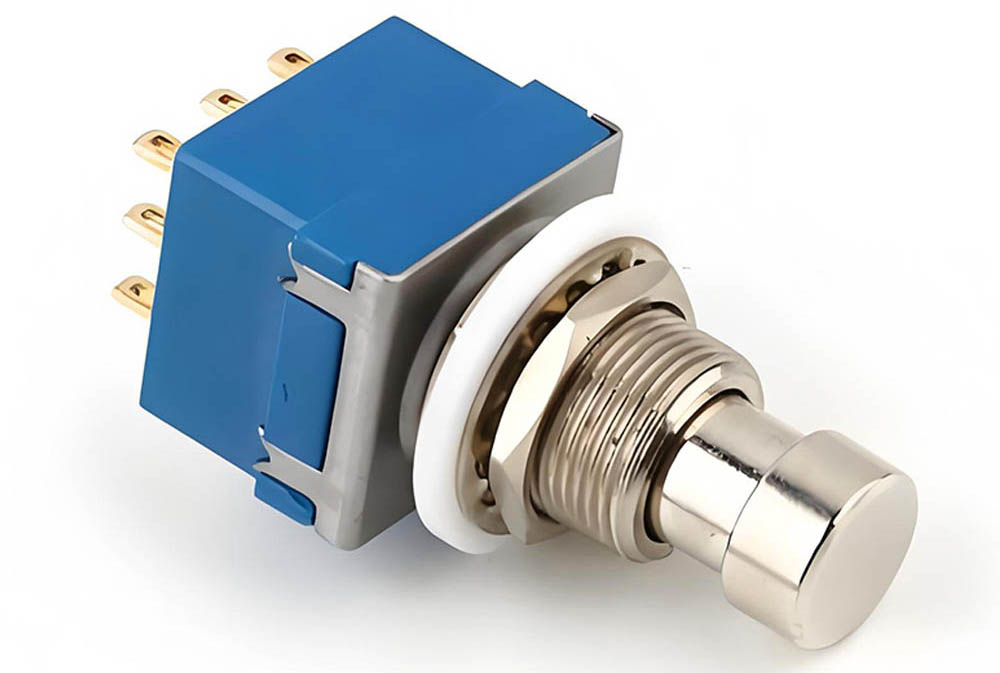
The footswitch is the part you interact with the most, so it needs to be durable. Most DIY builds use a 3PDT (triple pole, double throw) footswitch because it allows true bypass switching. True bypass means your signal passes straight through when the pedal is off, with no circuit in the path to color your tone.
A DPDT (double pole, double throw) switch can work for simpler circuits, but you will need an additional method to handle the LED indicator. The 3PDT handles switching the signal, the LED, and the circuit input all at once.
When shopping for pedal footswitches, check that the actuator feels solid and the click is consistent across presses. A wobbly or sticky footswitch is a sign of poor manufacturing.
Knobs and Potentiometers: Getting the Fit Right
Shaft Types and Knob Sizes
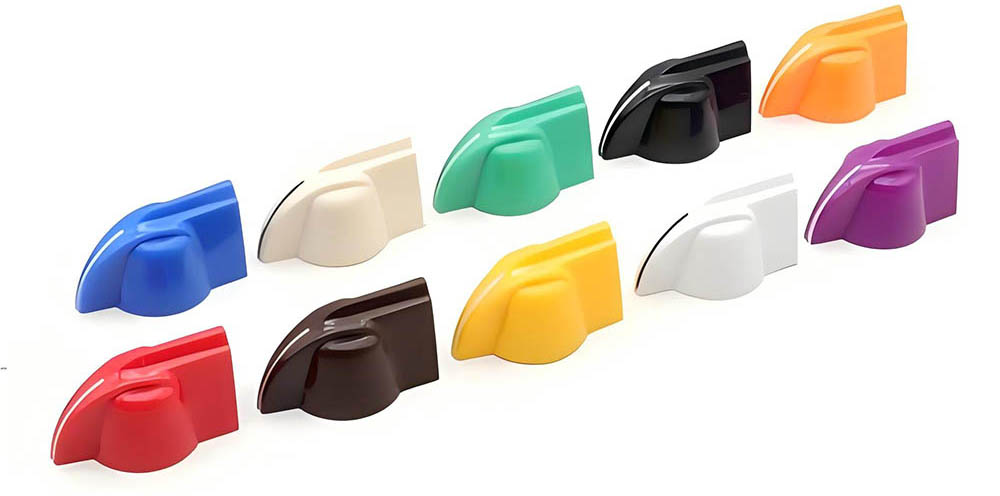
Knobs seem simple, but there are a handful of things that can go wrong. Potentiometer shafts come in two main types: smooth shaft and knurled split shaft. Smooth shafts use a set-screw knob. Split shafts use a push-on knob that grips the ridges. Mixing them up means the knob will not fit or will slip during use.
Shaft diameter matters too. The two common sizes are 6mm and 6.35mm (1/4 inch). Know your potentiometer shaft diameter before ordering knobs. Some guitar pedal knobs come with a brass insert that works with both shaft types, which gives you flexibility if you are not sure what potentiometers you will use.
Jacks and Connectors: Audio, Power, and Placement
Audio Jacks
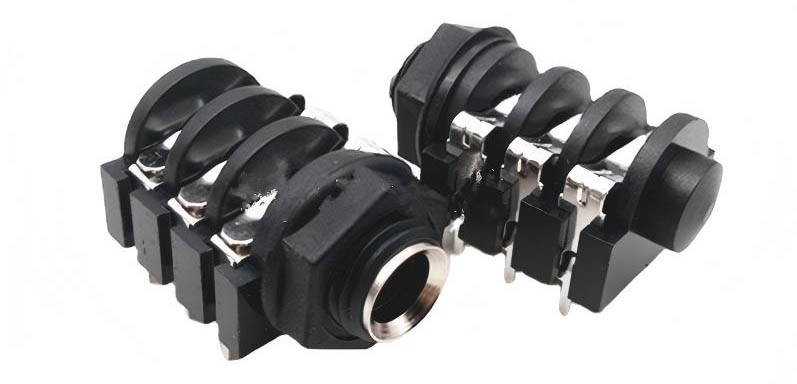
A 1/4 inch mono jack is what you need for the input and output of a standard pedal. Look for enclosed or Marshall style jacks with metal bushings. The open-frame plastic jacks you see on some budget gear are more likely to get noisy over time. Enclosed metal jacks cost a little more but are much more reliable.
DC Power Jacks
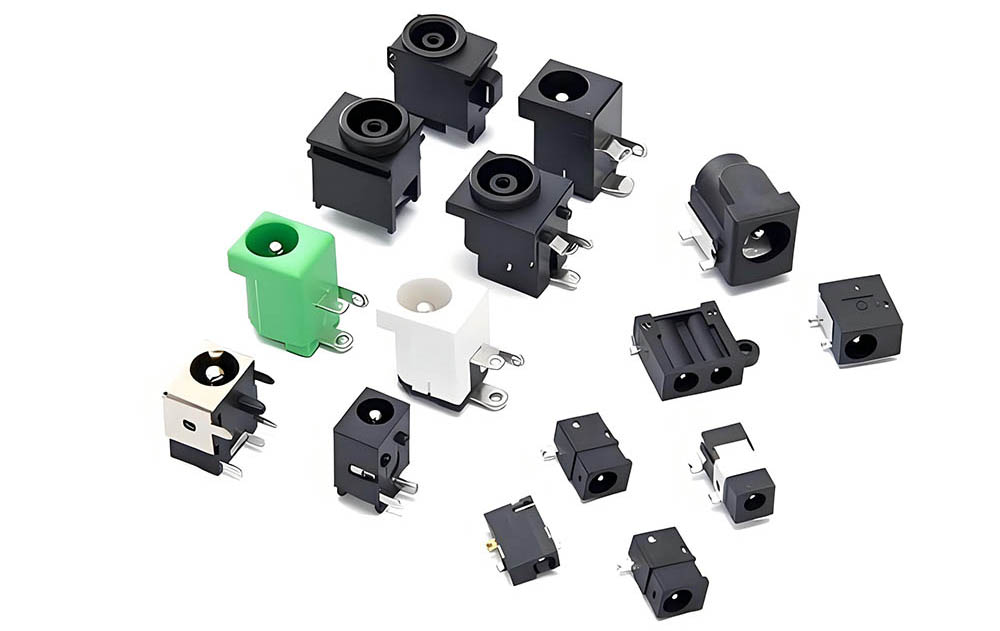
Most pedals use a 2.1mm barrel-style DC jack for 9V power. The standard is center-negative polarity. Make sure your DC jack is isolated from the enclosure: the metal barrel should not make contact with the aluminum case, or you will create a ground loop and introduce hum. Plastic-bodied DC jacks or those with insulating washers solve this.
When wiring your audio and DC jacks, think about the layout before drilling. Input and output jacks usually go on the sides of the enclosure. The DC jack is often placed at the top edge to keep power cables out of the way. Plan your placement so the jacks do not interfere with the circuit board or the battery compartment if you are using one.
Common First-Build Hardware Mistakes
One of the most common mistakes is buying an enclosure that is too small for the circuit and all the hardware. Measure twice, drill once. Draw a template on paper and place your components on it before touching a drill.
Another frequent issue is forgetting to account for the height of internal components. Electrolytic capacitors can be tall, and if your enclosure is too shallow, the back plate will not close.
A third mistake is using the wrong type of wire for off-board connections. Solid core wire can snap if it is bent too many times during assembly.
Stranded wire holds up better to the movement that happens when you fit everything into the enclosure. Always test your pedal outside the enclosure before boxing it up. Troubleshooting a circuit through a tiny opening is much harder than testing it on the bench.
Where to Source Quality Pedal Parts
Pedal parts are available from a wide range of suppliers, including specialist pedal retailers, electronic component distributors, and manufacturers.
The right choice depends on your project. Specialist retailers are often the easiest option for prototype builds and small quantities, while distributors usually offer a broader product range and more competitive pricing for standard components.
If you’re producing pedals in volume or developing your own brand, working directly with a manufacturer offers greater flexibility. Custom specifications, stable production quality, and long-term supply are often more important than the lowest unit price, especially when consistency matters from one production batch to the next.
For builders and brands looking for custom hardware, Bituo Elec provides OEM and ODM manufacturing services for foot switches, enclosures, indicator lights, connectors, and other pedal components. Custom options such as housing finishes, colors, laser marking, and mounting configurations can be tailored to match specific product requirements.
Frequently Asked Questions
Q1 What size enclosure should I use for my first build?
A 1590B or 125B enclosure is a good starting point. They are large enough for a simple circuit with two to four knobs without being cramped.
Q2 Do I need a 3PDT footswitch or will a DPDT work?
A 3PDT is the standard for DIY pedals because it handles signal switching and the LED indicator in one component. A DPDT can work but requires a workaround for the LED.
Q3 What is the difference between a smooth shaft and a knurled shaft potentiometer?
Smooth shafts work with set-screw knobs. Knurled split shafts work with push-on knobs that grip the ridges. Know which type your potentiometer has before buying knobs.
Q4 Should my DC power jack be metal or plastic?
Use a plastic-bodied DC jack or one with an insulating washer. Metal jacks that touch the aluminum enclosure can create a ground loop and cause hum.
Q5 Can I drill my own enclosure or should I buy pre-drilled?
You can drill your own if you have a drill press and a step bit. Pre-drilled enclosures save time and guarantee accurate hole placement. For a first build, pre-drilled is the safer choice.
Q6 How do I keep my pedal build quiet with no hum?
Use enclosed metal audio jacks, isolate the DC jack from the enclosure, keep input and output wiring away from power lines, and make sure the enclosure is properly grounded.
Get Started with Quality Pedal Hardware
The hardware you pick shapes how your pedal feels, sounds, and holds up over time. Bituoelec supplies guitar pedal parts to builders around the world, from individual hobbyists to boutique brands. Whether you need enclosures, footswitches, knobs, or custom components, get in touch with Bituoelec to discuss your project.