


Electrical specifications tell only part of the story. A switch that meets the required voltage and current ratings can still fail prematurely when exposed to water, dust, vibration, corrosion, or extreme temperatures. In harsh environments, durability and environmental protection are just as important as electrical performance.
Whether you’re designing industrial control systems, marine equipment, automotive accessories, agricultural machinery, or outdoor electronic devices, selecting the right switch directly affects product reliability, safety, and long-term maintenance costs. Understanding the environmental challenges your application faces is the first step toward making the right choice.
This guide explains the key factors engineers should evaluate when choosing a switch for demanding environments, from IP protection ratings and sealing performance to electrical life, mechanical durability, and material selection.
What Makes an Environment “Harsh” for a Switch
The term “harsh environment” covers more than just bad weather. A switch on a fishing boat faces salt spray and direct sunlight. A switch on a factory floor deals with oil mist, metal dust, and constant vibration. A switch on an outdoor security panel sits through freezing nights and scorching afternoons, sometimes in the same 24-hour period.
Each of these conditions attacks switches in a different way. Moisture corrodes contacts. Dust clogs mechanical actuators. UV radiation embrittles plastic housings. Temperature cycling causes internal components to expand and contract at different rates, loosening connections over time. Engineers need to identify which threats apply to their application and choose switches rated to handle them.
Understanding IP Ratings: More Than Just a Number

The IP (Ingress Protection) rating is the starting point for harsh-environment switch selection. An IP67-rated switch is dust-tight and can survive temporary immersion in water. An IP65 switch is dust-tight and protected against water jets from any direction. The difference between the two matters when the equipment might get submerged versus just sprayed.
A common mistake is choosing a switch with a high IP rating without checking how that rating was achieved. Some switches rely on silicone boots or external covers for their rating. If that boot tears during installation or wears out over time, the protection is gone. Switches with integral sealing, where the waterproofing is built into the switch body itself, tend to hold up better in the long run.
Material Choices That Matter
Plastic housings are common in switches because they are inexpensive and easy to mold. But not all plastics perform the same way outdoors. Polycarbonate offers good impact resistance but can yellow and become brittle under prolonged UV exposure. Nylon holds up better against chemicals and abrasion but absorbs moisture over time, which can affect dimensional stability. For outdoor and marine applications, switches with UV-stabilized materials or metal housings tend to fare better.
Stainless Steel vs. Nickel-Plated Brass
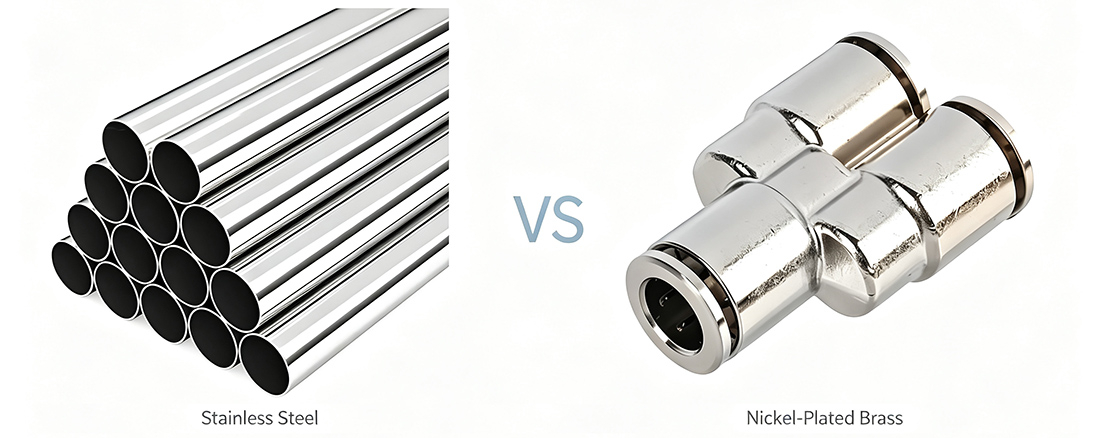
Metal switches look rugged, but the specific metal matters. Stainless steel, particularly 304 or 316 grades, resists corrosion in most environments and stands up well to salt spray. Nickel-plated brass is cheaper and works fine indoors, but once the nickel plating wears through or gets scratched, the underlying brass corrodes quickly in moist conditions.
For marine applications or coastal installations, the extra cost of 316 stainless steel is usually justified. For general outdoor use away from salt water, 304 stainless or high-quality nickel plating on brass often provides adequate protection at a lower price point.
Sealing the Panel Cutout
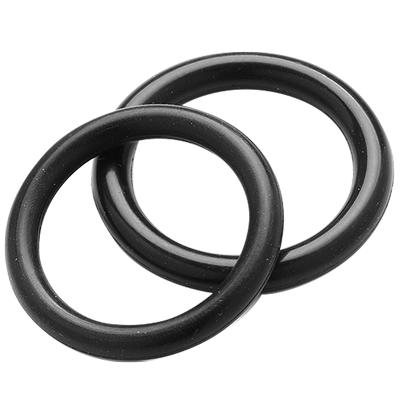
A waterproof switch mounted in a panel is only as good as the seal between the switch and the panel surface. Even an IP68-rated switch will let water through if the mounting hole is oversized or the gasket is missing. Many manufacturers include an O-ring or flat gasket with the switch, but it is the installer’s responsibility to make sure the panel surface is smooth, clean, and drilled to the correct diameter. A small burr around the cutout can compromise the seal.
Electrical Performance Under Stress
A switch rated for 10 amps at room temperature may not handle 10 amps at 85°C. Heat builds up faster inside a sealed switch housing because there is no airflow to dissipate it. Engineers should check the derating curve in the manufacturer’s datasheet, which shows how the current rating drops as ambient temperature rises.
Contact material also affects long-term reliability. Silver alloy contacts provide low contact resistance and work well for power switching, but they can tarnish in sulfur-rich environments. Gold-plated contacts resist oxidation and are preferred for low-current signal switching, though they cost more. For environments with both high humidity and electrical load, silver-nickel or silver-tin oxide contacts offer a practical middle ground.
Vibration and Mechanical Shock
A switch mounted on an engine, a pump housing, or heavy machinery experiences constant vibration. Over time, vibration can cause internal contacts to bounce, generating arcing and heat that shorten the switch’s life. For these applications, look for switches with a specified vibration resistance rating, typically given as a frequency range and acceleration in G-forces that the switch can withstand without contact interruption.
Momentary switches with a strong return spring tend to resist vibration better than latching switches because the internal mechanism is under constant spring tension. If a latching switch is required, choose one with a positive detent that holds the actuator firmly in position.
Temperature Extremes: Cold Cracking and Heat Softening
In freezing conditions, plastic switch housings can become brittle and crack under mechanical stress. In high heat, the same plastics can soften, causing internal components to shift out of alignment. The operating temperature range on a datasheet tells part of the story, but it is worth asking the manufacturer whether that range accounts for continuous operation or only intermittent exposure.
For applications that will see both extremes, such as outdoor telecom equipment in northern climates, switches rated from −40°C to 85°C provide a safe operating window. For engine compartments or industrial ovens, look for ratings that extend to 125°C or higher.
Indicator Lights in Tough Conditions
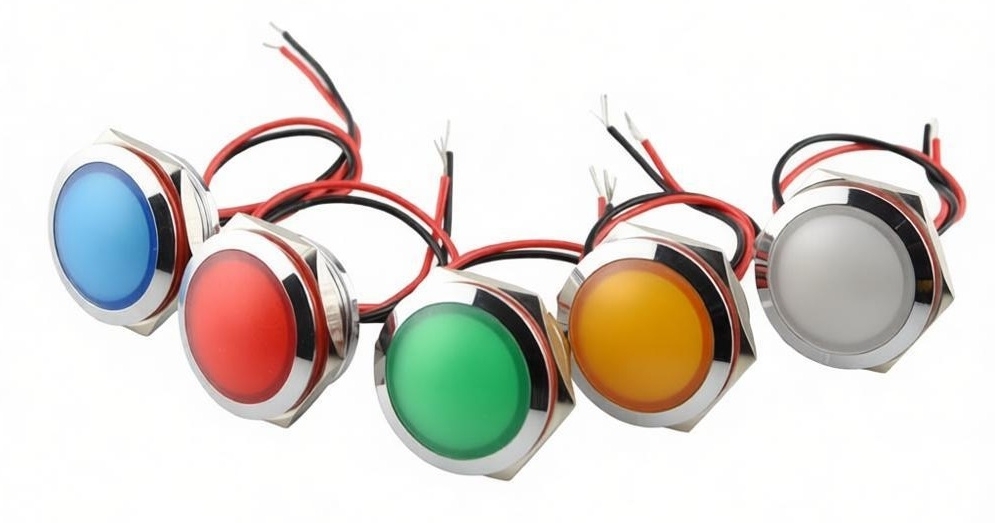
Many control panels operating in harsh environments rely on LED indicator lights to display power status, operating conditions, and fault alarms. Because these indicators are exposed to the same moisture, dust, vibration, and temperature fluctuations as the surrounding switches, their durability is just as critical to overall system reliability.
Compared with traditional incandescent lamps, LED indicator lights provide a significantly longer service life, lower power consumption, and reduced maintenance requirements. However, lens material remains an important consideration. Polycarbonate lenses offer excellent impact resistance but may gradually yellow or lose clarity after prolonged UV exposure, while glass lenses provide superior optical clarity and UV resistance at the expense of higher cost and increased fragility.
For outdoor control panels and other demanding applications, ensure that indicator lights provide the same IP protection rating as the switches and other panel-mounted components. Even if the switches are rated IP67, lower-rated indicator lights can become the weakest point in the enclosure, allowing dust or water to compromise the entire system. Selecting components with consistent environmental protection ratings helps maintain enclosure integrity, improve long-term reliability, and reduce maintenance costs.
When to Choose a Custom Solution
Not every application can be solved with a standard catalog product. When equipment must withstand water, chemicals, vibration, dust, extreme temperatures, or hundreds of thousands of operating cycles, a custom-engineered switch is often the most reliable solution.
An experienced OEM and ODM switch manufacturer can work closely with your engineering team to develop a switch that meets your exact performance requirements. Customization may include actuator styles, contact ratings, sealing technologies, connector orientations, mounting configurations, materials, and even product branding, ensuring the switch integrates seamlessly into your equipment while delivering long-term reliability.
While custom switches involve higher upfront tooling and development costs, they often reduce the overall total cost of ownership. Fewer service calls, lower warranty expenses, improved product reliability, and a longer operational lifespan make customization a cost-effective investment for industrial, marine, automotive, agricultural, and other harsh-environment applications. Contact us today to discuss your custom switch needs.
Conclusion
Choosing the right switch for harsh environments is not simply about selecting the highest IP rating or the most expensive material. It starts with understanding the specific conditions the switch will face, then matching the protection level, sealing structure, material, and electrical performance to the actual application.
A well-selected waterproof switch, rocker switch, push button switch, or toggle switch should operate reliably in the background for years. A poorly matched switch, however, can quickly lead to equipment downtime, repair costs, warranty claims, and customer dissatisfaction.
The best approach is to work backward from the operating environment. First, identify the expected moisture level, temperature range, vibration intensity, dust exposure, chemical contact, and frequency of operation. Then choose switches designed for those conditions, verify the IP rating and sealing method, and test samples in the real application before moving into full production.
For applications in marine electronics, outdoor equipment, industrial control panels, automotive accessories, and agricultural machinery, working with an experienced switch manufacturer such as Bituo Elec can help engineers select or customize switches that deliver dependable long-term performance in demanding environments. Get in touch with our experts today.