


Electrical Engineering Guide
Choosing a switch involves more than checking whether it fits the panel or matches the required actuator style. The electrical rating determines whether the contacts can handle the actual load reliably over the expected service life.
This guide explains how to read switch contact ratings, why load type matters, how AC and DC ratings differ, and what electrical life means when selecting a switch for a real application.
What Is a Switch Contact Rating?
A switch contact rating defines the electrical conditions under which the contacts are designed and tested to operate.
The main specifications usually include rated current, rated voltage, load type, and electrical life. Together, they indicate how much current the contacts can carry, the voltage they can safely switch, and how many operations they are expected to complete under specified test conditions.
These values should always be considered together. For example, a switch rated at 10 A, 250 VAC should not be assumed to handle 10 A at any other voltage or load type. The complete rating and test conditions shown in the datasheet are what matter.
Operating outside the specified rating can increase contact temperature, arcing, erosion, and the risk of contact welding or premature failure.
| Specification | What It Means | Why It Matters |
|---|---|---|
| Contact rating | Current and voltage rating under specified conditions | Provides the basic electrical operating limit |
| Resistive load rating | Rating for relatively steady loads | Often higher than ratings for more demanding loads |
| Inductive or motor rating | Rating for motors, coils, solenoids, or similar loads | Accounts for additional switching stress and inrush |
| DC rating | Rating for DC switching | Important because DC arcs are generally harder to interrupt |
| Electrical life | Number of operations under a specified electrical load | Helps estimate service life under switching conditions |
| Mechanical life | Number of mechanical operations under specified test conditions | Indicates durability of the switching mechanism |
| Contact resistance | Resistance through the closed contacts | Affects voltage drop and temperature rise |
| Dielectric strength / insulation resistance | Electrical isolation capability | Relevant to safety and insulation performance |
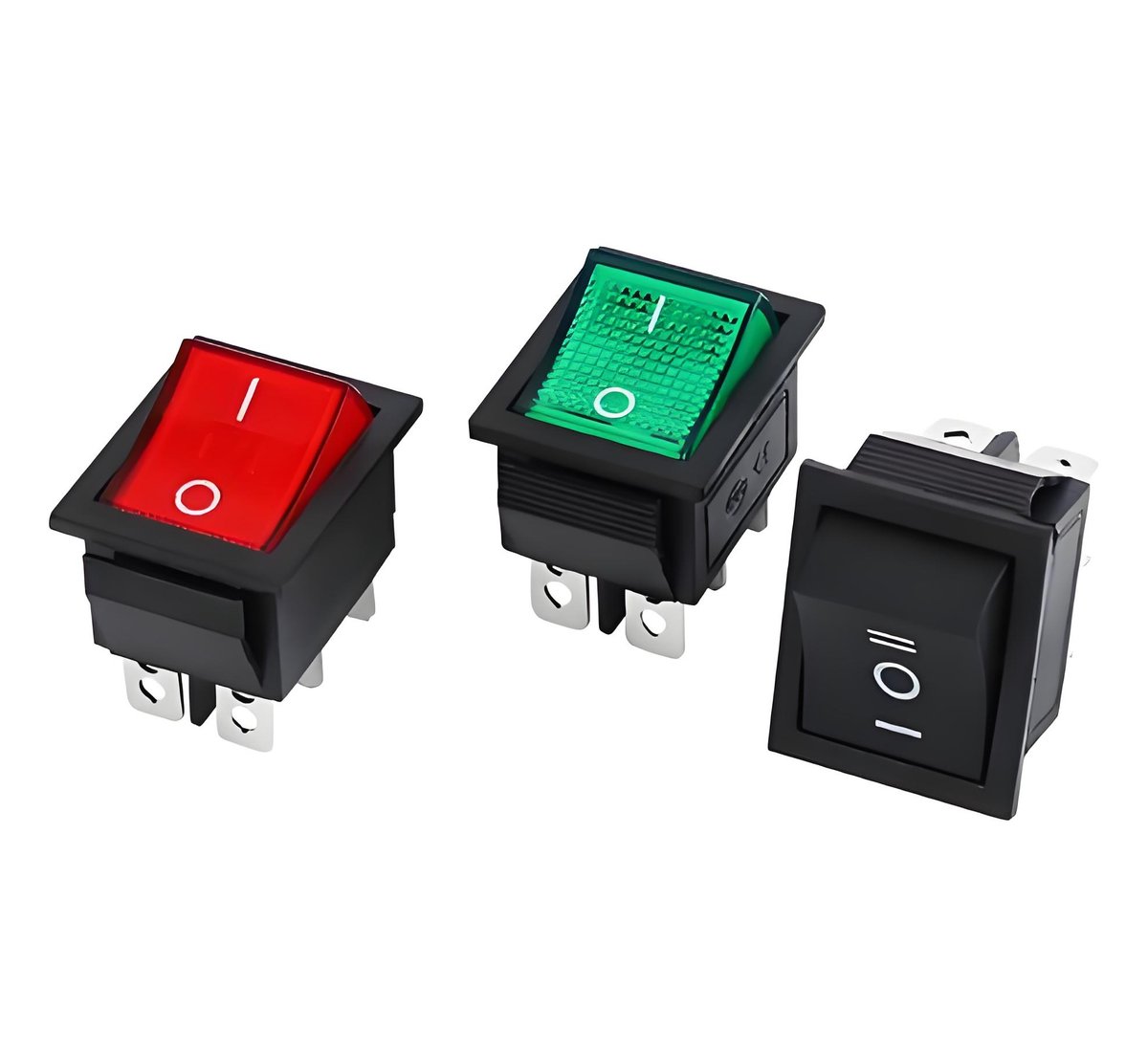
Resistive vs. Inductive Loads
Load type has a major effect on contact stress. A resistive load, such as a heating element, draws current relatively steadily once energized. Inductive loads, including motors, solenoids, relay coils, and transformers, place different demands on the switch.
When an inductive circuit is opened, energy stored in the magnetic field can produce a voltage transient across the contacts. This can increase arcing and contact erosion. Some inductive loads also draw significant inrush current when first energized.
For this reason, manufacturers may specify different ratings for resistive, motor, or inductive loads.
If your application involves a motor, coil, transformer, or another load with high inrush or stored energy, do not rely only on the resistive current rating. Check the appropriate load rating in the datasheet or confirm the application with the switch manufacturer.
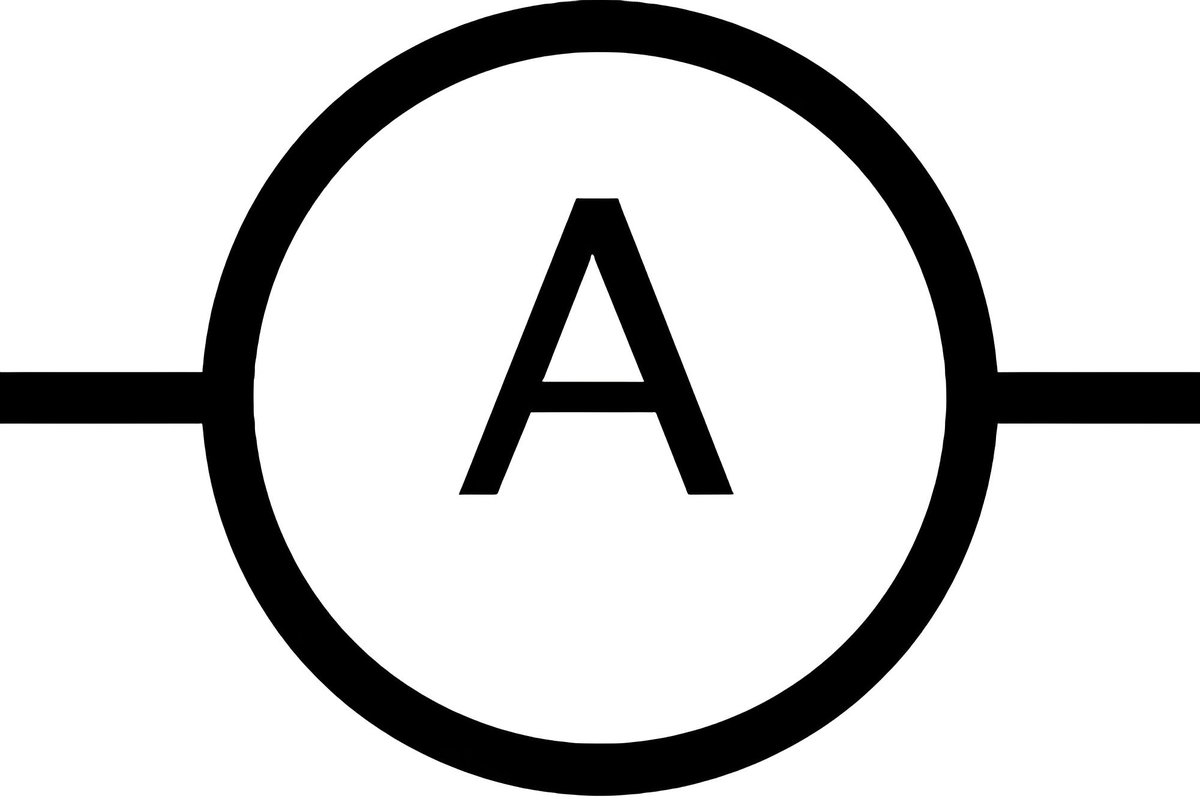
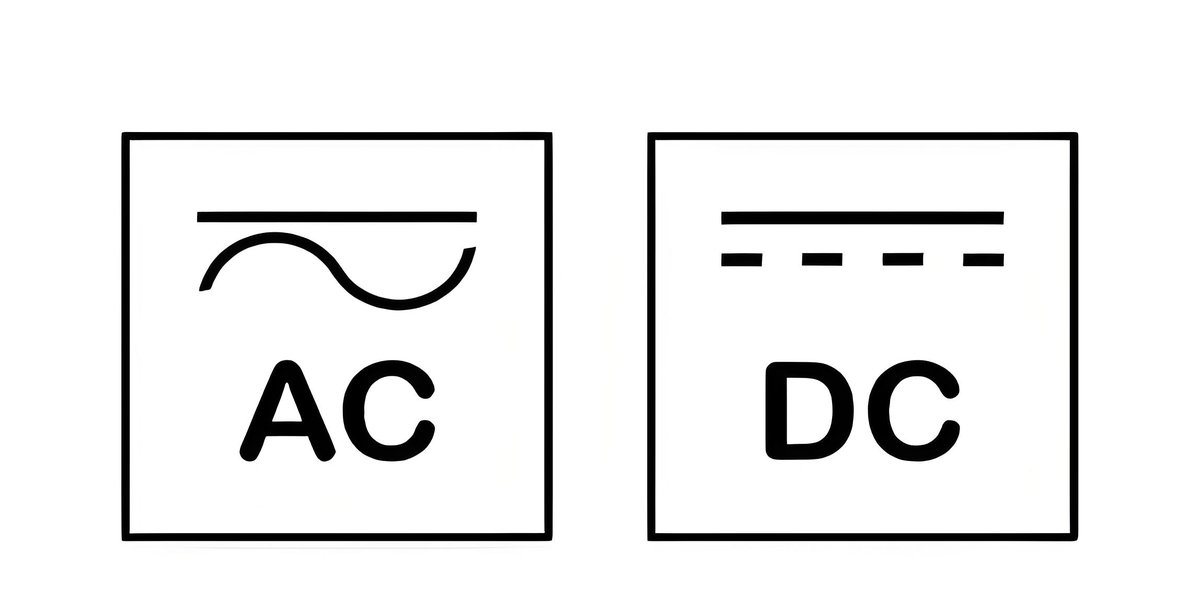
Understanding AC and DC Voltage Ratings
AC and DC circuits behave differently when a switch opens under load.
AC
In an AC circuit, the current passes through zero periodically. These zero crossings help extinguish the electrical arc that can form between separating contacts.
DC
DC current does not have natural zero crossings, so an arc can persist for longer as the contacts open. As a result, interrupting DC can be more demanding on the contact system.
This is why the DC voltage rating of a switch is often lower than its AC rating.
A switch rated for 250 VAC, for example, should not automatically be assumed suitable for 250 VDC. Always check the specified DC rating for the exact model.
This is particularly important in applications such as battery systems, solar equipment, DC power supplies, LED drivers, and automotive electronics—whether you are evaluating a toggle switch, rocker switch, or micro switch.
What the Current Rating Means
The current rating indicates how much current the contacts are designed to carry under the specified test conditions.
When current passes through the contact interface, even a small amount of contact resistance produces heat. As current increases, temperature rise becomes more significant, which can accelerate contact degradation over time.
The current rating should not be considered separately from the load type or switching duty.
A motor, lamp, capacitive load, or power supply may draw substantially more current at startup than during normal operation. This inrush current can place considerable stress on the contacts at the moment they close.
For this reason, switch selection should be based on the actual electrical behavior of the load rather than only its steady-state current.
Electrical Life vs. Mechanical Life
Electrical life and mechanical life describe two different aspects of switch durability.
Mech
Mechanical life
Mechanical life refers to the number of operations the switch mechanism can perform under the specified test conditions, often with little or no electrical load.
Elec
Electrical life
Electrical life refers to the number of operations the switch can perform while switching a specified electrical load.
Electrical life is generally lower because the contacts experience additional wear from current, arcing, heat, and surface erosion.
When comparing switch life specifications, check the test conditions associated with the number. A rating such as 10,000 or 100,000 electrical operations only has meaning when it is considered together with the voltage, current, load type, operating frequency, and environmental conditions used during the test.
A high mechanical-life figure should not be used as a substitute for electrical-life data when the switch will operate under load.
Allowing Margin in Switch Selection
A switch should not normally be selected to operate continuously at the edge of its electrical capability unless the manufacturer specifically supports that application.
Allowing reasonable design margin can help account for inrush current, voltage transients, operating temperature, component tolerances, and changes in load conditions.
However, simply choosing the switch with the highest available rating is not always necessary. Larger switches may increase cost, panel space, and installation requirements without providing a meaningful benefit.
The appropriate margin depends on the load and application. For demanding loads, follow the manufacturer’s derating guidance and consider switching frequency, ambient temperature, startup current, and expected electrical life when selecting a push-button switch, anti-vandal switch, or similar control device.
How to Read Switch Contact Ratings on a Datasheet
Datasheet method
When reviewing a switch datasheet, start with the contact rating and then look at the conditions attached to it.
Always compare ratings that match your actual application.
If the circuit is DC, use the DC rating. If the load is a motor, relay coil, or other inductive device, look for the corresponding load rating rather than relying on the resistive value.
Two switches with a similar appearance and headline current rating may have very different electrical-life or load specifications. The same care applies to a tact switch or an indicator light circuit when contact duty is part of the design.
Common Mistakes When Selecting a Switch Rating
Several selection errors appear repeatedly in switch applications.
- 01
Using an AC rating for a DC circuit
AC and DC ratings are not interchangeable. Always confirm the switch’s specified DC capability.
- 02
Selecting only by steady-state current
Loads such as motors, lamps, capacitors, and power supplies may draw high startup current. Inrush should be included in the selection process.
- 03
Ignoring the load type
A 5 A resistive load and a 5 A motor load do not place the same stress on the contacts.
- 04
Relying on mechanical life
Mechanical life does not indicate how long the contacts will survive while switching an electrical load.
- 05
Assuming a higher rating always means a better switch
The best switch is one whose electrical, mechanical, environmental, and dimensional specifications match the application.
FAQ
A switch should be operated within the electrical ratings specified by the manufacturer.
Exceeding the rated current can increase contact temperature and electrical wear and may lead to premature failure. If the application exceeds the rating of the selected switch, choose a model designed for the required load or use an appropriate relay, contactor, or other switching device.
AC current crosses zero periodically, which helps extinguish the arc as the contacts separate.
DC current has no natural zero crossing, so the arc may persist for longer. The contact spacing and construction therefore become more critical when interrupting DC loads.
For this reason, many switches have lower voltage or current ratings for DC operation.
Electrical life indicates how many switching operations a device completed under specified electrical and test conditions.
For example, a switch rated for a certain number of operations at a defined voltage, current, and load should not be expected to achieve the same life under a different load or operating environment.
Always review the conditions associated with the electrical-life specification.
There is no single margin that applies to every switch application.
The required margin depends on load type, inrush current, switching frequency, ambient temperature, expected service life, and the manufacturer’s recommendations.
For applications with motors, lamps, capacitive loads, or other high-inrush devices, additional consideration may be required.
Choosing the Right Switch for Your Application
A switch contact rating should be evaluated as a complete set of specifications rather than a single current or voltage number.
Start with the actual operating voltage, current, load type, inrush characteristics, switching frequency, and expected service life. Then compare these requirements with the ratings and test conditions shown in the switch datasheet.
If you are selecting a switch for a new design, BITUO can help review your application requirements and identify suitable models from our product range. Technical documentation and samples are also available for evaluation.
Contact BITUO Electric with your voltage, current, load type, operating conditions, and expected switching life to discuss a suitable switch solution.