


OEM / ODM Manufacturing
Custom switch manufacturing is often the right choice when a standard product cannot fully meet the electrical, mechanical, or appearance requirements of a project.
At BITUO Electric, we manufacture switches and electronic components in Wenzhou, China, with more than 6,000 standard models across 24 product series supplied to customers in over 70 countries. In addition to standard products, we support OEM and ODM projects that require changes to switch dimensions, actuators, terminals, markings, electrical specifications, or other design details.
This guide explains when customization may be necessary, which switch features can be modified, and how a typical project moves from initial requirements to mass production.
When Does Custom Switch Manufacturing Make Sense?
Standard switches are suitable for many applications and are usually the most efficient choice when an existing model meets the required electrical rating, mounting dimensions, operating characteristics, and appearance.
Customization becomes useful when a standard product creates design or production constraints that cannot be resolved easily.
Common reasons for requesting a custom switch include:
- The actuator shape, height, travel, or operating feel does not suit the product design.
- The required voltage, current, or load characteristics are not covered by a standard configuration.
- The mounting dimensions are suitable, but the terminal style or orientation does not match the assembly process.
- The switch requires specific colors, symbols, markings, or branding.
- The projected production volume justifies the cost of tooling or other custom development.
In many projects, only part of the switch needs to change. For example, an existing rocker switch may already meet the required panel cutout and electrical rating but require a shorter actuator or customized marking. In this case, modifying an existing platform can be more practical than developing a completely new switch.
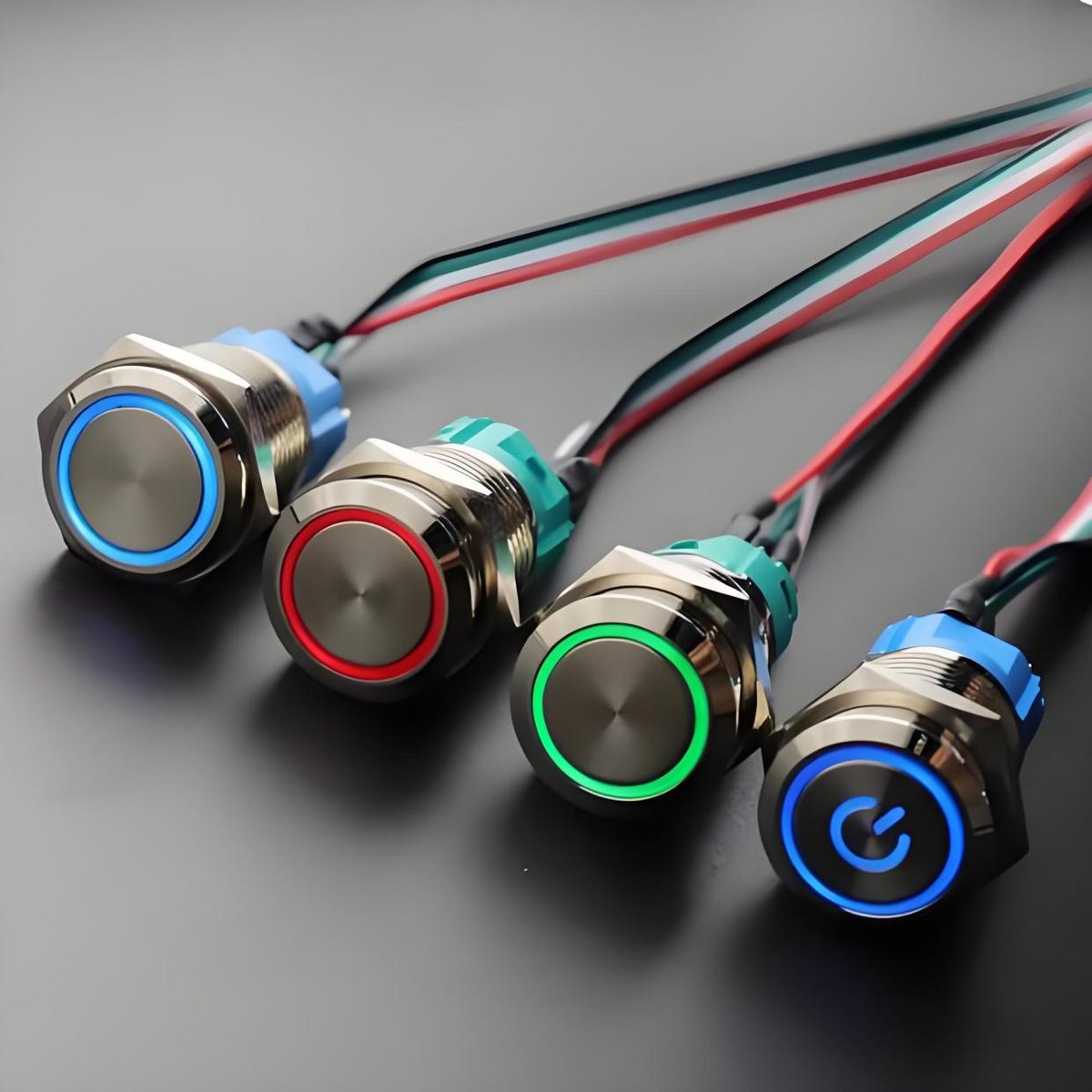
What Can Be Customized on a Switch?
Customization often begins with an existing switch platform. Depending on the product series and application, several features may be adjusted.
Actuator
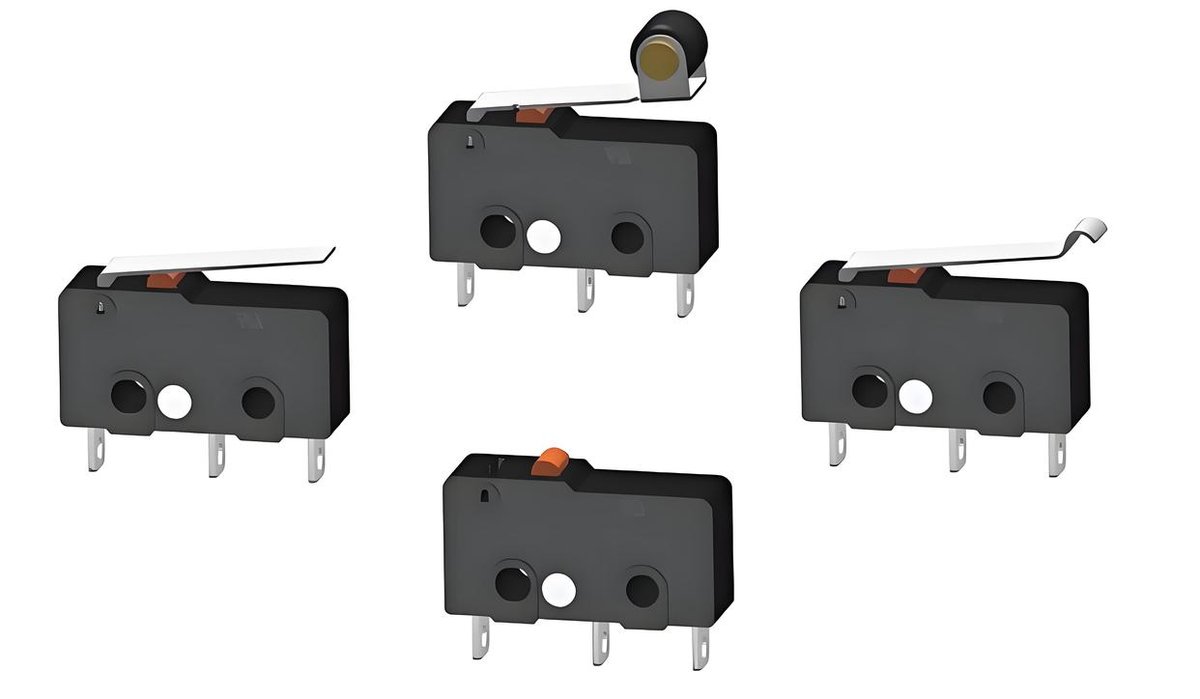
Button height, rocker profile, toggle length, cap shape, travel, and operating feel may be modified to suit the panel design and user interface. This can apply to a push-button switch, toggle switch, or tact switch platform.
Color
Housing, actuator, and marking colors can be specified to match product styling, identification requirements, or safety conventions.
Marking
Text, symbols, arrows, logos, and other identification can be printed, engraved, or molded depending on the switch construction and production method.
Electrical Configuration
Contact material, contact arrangement, spring characteristics, and other internal details may be selected or adjusted according to the required voltage, current, load type, and operating life.
Terminal Style
Depending on the switch series, available options may include solder terminals, quick-connect terminals, screw terminals, PCB pins, or wire leads. Similar options can be evaluated for an anti-vandal switch, micro switch, or illuminated indicator light assembly.
Not every modification is available on every product platform. Some changes can be made using existing tooling, while others require new molds, fixtures, or component development. This is normally determined during the engineering review stage.

Electrical Requirements Need Early Attention
Mechanical changes are often easy to identify from a drawing, but electrical requirements deserve equal attention.
A switch that performs well with a resistive load may not be suitable for a motor, lamp, solenoid, or other load with significant inrush current or inductive characteristics.
For this reason, electrical customization should be based on the actual operating conditions rather than only the nominal current and voltage.
Important information includes:
- Operating voltage
- Continuous current
- Load type
- Inrush current
- Switching frequency
- Expected electrical life
- AC or DC operation
Providing these details early helps determine whether an existing contact system is suitable or whether a different contact material or internal configuration should be considered.

Custom Switch Manufacturing Process
A typical custom switch project moves through several stages, from initial review to production approval.
Inquiry and Requirement Review
The project usually begins with a drawing, sample, 3D file, specification sheet, or description of the application.
The engineering team reviews the requirements against existing switch platforms and tooling to determine whether the project can be based on a standard model or requires additional development.
This stage may include a review of dimensions, tolerances, materials, actuator clearance, mounting features, terminal layout, and electrical requirements.
Design and Tooling Review
If the required changes cannot be produced with existing tooling, new tooling or modifications may be necessary.
Before tooling begins, the design should be reviewed for manufacturability. Details such as wall thickness, draft angle, tolerances, material flow, and assembly clearance can affect both production feasibility and long-term consistency.
Where possible, small design adjustments may allow an existing platform or mold to be used, reducing tooling cost and development complexity.
Tooling and Sample Production
If new tooling is required, the mold or production tooling is designed, manufactured, and tested.
Samples are then produced for evaluation. Depending on the project, several samples may be provided so the customer can evaluate dimensions, panel fit, actuator feel, markings, appearance, and electrical performance.
Sample Approval
Before mass production, the sample and technical specification should be formally confirmed.
Any required changes are addressed during this stage. Once the final sample is approved, the agreed specification becomes the reference for production.
Mass Production and Quality Control
After approval, the project moves into production according to the confirmed order requirements.
Inspection may include dimensional checks, electrical testing, mechanical operation, appearance, and other product-specific requirements.
Quality-control procedures should be based on the agreed specification and approved production sample.
| Stage | Main Activity | Customer Input |
|---|---|---|
| Inquiry | Application and requirements are submitted | Provide drawings, samples, specifications, volume, and project requirements |
| Engineering review | Design is evaluated against existing products and tooling | Confirm dimensions, tolerances, electrical requirements, and key functions |
| Tooling | New or modified tooling is developed if required | Review tooling proposal and development requirements |
| Sampling | Prototype or pre-production samples are produced | Test fit, function, appearance, and electrical performance |
| Approval | Final specification and sample are confirmed | Approve the sample and technical requirements |
| Mass production | Switches are manufactured in volume | Confirm order quantity and delivery requirements |
| Quality control | Products are inspected against the approved specification | Verify received parts according to agreed requirements |


What Affects Custom Switch Lead Time?
Lead time varies according to the scope of customization.
A project based on an existing switch platform with only color, marking, or terminal changes may require less development than a project involving a new actuator, internal contact system, or mold.
The main factors affecting the schedule include:
- Whether new tooling is required
- Complexity of the design change
- Number of sample and revision rounds
- Testing or certification requirements
- Order quantity
- Material availability
- Production capacity
For projects with a fixed launch schedule, it is useful to establish key milestones early, including design review, tooling completion, sample approval, and production.
Actual lead times should always be confirmed for the specific project.
Information to Provide Before Requesting a Quote
A clear initial specification helps the manufacturer evaluate feasibility and prepare a more accurate quotation.
Useful information includes:
Application and Environment
Explain what the switch controls, where it will be installed, how often it will operate, and whether it will be exposed to dust, moisture, temperature variation, chemicals, or vibration.
Electrical Requirements
Provide operating voltage, current, AC or DC operation, and load type. If the load has significant inrush or inductive characteristics, include that information as well.
Mechanical Requirements
Specify the mounting dimensions, panel thickness, actuator type, switch travel, operating force, and any space limitations.
Terminal and Wiring Requirements
Indicate the required terminal style, orientation, wire length, wire gauge, connector, or other assembly requirements.
Appearance
Provide required colors, logos, symbols, legends, or other visual specifications.
Quantity
Include initial order quantity, expected annual volume, and any forecast information available. Volume can affect tooling decisions, process selection, and pricing.
Compliance Requirements
Identify any required certifications, standards, materials restrictions, or market-specific compliance requirements.
A fully developed drawing is useful but not always necessary at the initial stage. Depending on the project, a physical sample, marked-up drawing, CAD file, photograph, or detailed specification may provide enough information for an initial engineering review.

Start Your Custom Switch Project
A successful custom switch project begins with clear application requirements.
If a standard BITUO model does not fully meet your mechanical, electrical, or appearance requirements, send us your drawing, sample, CAD file, or project specification. Our team can review the application, evaluate suitable existing platforms, and identify which features can be customized.
BITUO supports OEM and ODM switch projects from initial engineering review and sampling through production.
Contact BITUO Electric with your application requirements, target quantity, and available drawings or samples to discuss a suitable manufacturing solution.