


While smoking in cars is far less common than it used to be, cigarette lighter sockets still play an important role in modern automotive design. Today, they are widely used as reliable 12V power outlets for charging and powering various electronic devices.
In this article, we will explain the history of car cigarette lighters, how they work, devices that use this function, and how to convert a car cigarette lighter to USB.
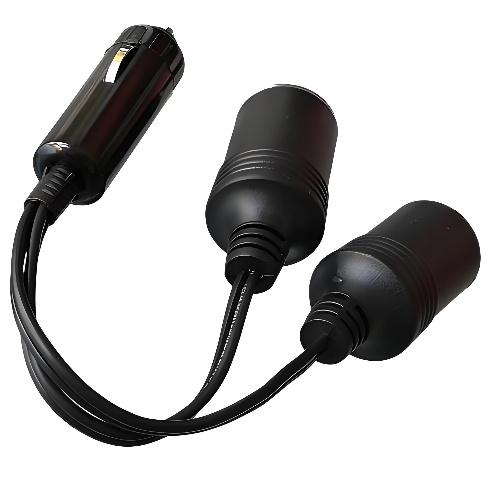
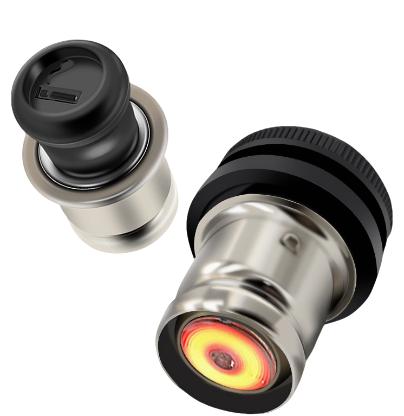
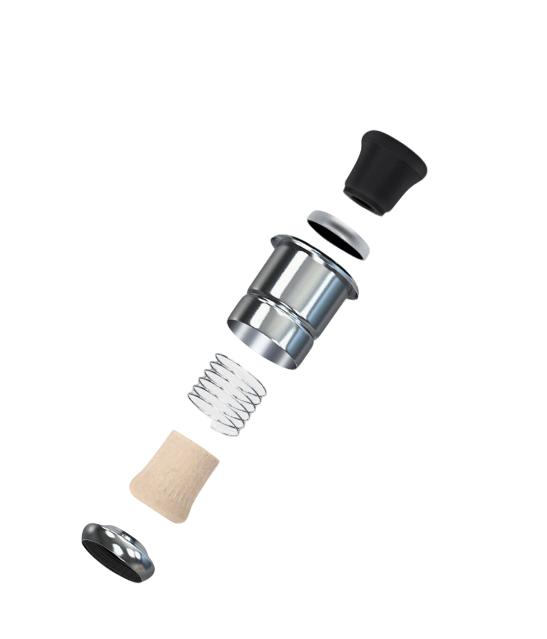
A car cigarette lighter is a common built-in accessory in vehicles, originally designed for lighting cigarettes. It consists of a socket and a plug-in heating unit. When pressed down, the internal heating coil heats up rapidly. Once reaching the preset temperature, it automatically pops out for use.
Nowadays, its function has expanded greatly. The standard socket serves as a 12V DC power outlet, widely used to charge mobile phones, tablets, dash cams, car air pumps and other small electronic devices.
It is easy to operate and highly practical. Note that do not connect overloaded appliances to avoid blowing the car fuse or causing circuit faults. Keep the socket clean and dry for safe long-term use. It has become an essential daily power interface for modern drivers.
History of Cigarette Lighter Sockets
Cigarette lighter sockets first appeared in automobiles during the early 20th century, when smoking was a common part of daily life. Early car lighters were simple manually heated devices, but manufacturers later introduced electrically heated lighter systems that became the industry standard.
By the 1950s and 1960s, nearly every car included a cigarette lighter socket as a built-in feature. The socket was originally designed to heat a removable metal lighter plug, allowing drivers and passengers to light cigarettes conveniently while traveling.
Over time, manufacturers and consumers discovered that the socket could also provide portable DC power. This led to the development of a wide range of automotive accessories that could connect directly to the socket, transforming it from a smoking accessory into a universal in-car power source.
How Cigarette Lighter Sockets Work?
A cigarette lighter socket operates using the vehicle’s 12V DC electrical system. The socket is connected directly to the car battery through a fuse for protection.
Traditional cigarette lighter systems include two components:
- The socket installed in the dashboard or console
- A removable lighter plug with a heating coil
When the lighter plug is pushed into the socket, electrical current flows through the heating element. The coil quickly becomes hot enough to ignite a cigarette. Once heated, the plug automatically pops out.
Modern automotive sockets are now more commonly used as power outlets rather than actual cigarette lighters. The socket supplies 12V DC power, allowing compatible devices to operate safely inside the vehicle.
Why Are Cigarette Lighter Sockets Still Around?
In modern vehicles, cigarette lighter sockets are often labeled as “12V Power Outlet” or “Accessory Socket.” Although the original lighter function may no longer be included, the socket design remains largely unchanged because of its compatibility and convenience.
Despite the rise of USB charging ports and wireless charging systems, cigarette lighter sockets continue to exist for several practical reasons.
Universal Compatibility
The 12V socket has become a nearly universal automotive power standard. Drivers can easily use accessories across different vehicles without compatibility concerns.
Reliable Power Output
Compared with standard USB ports, cigarette lighter sockets can typically provide higher power output. This makes them suitable for operating larger devices such as air compressors, coolers, and emergency equipment.
Durability
Automotive-grade cigarette lighter sockets are designed to withstand vibration, temperature changes, and continuous use in harsh environments.
Cost-Effective Design
Manufacturers can integrate 12V sockets into vehicles at relatively low cost while maintaining compatibility with existing automotive accessories.
Emergency Utility
Many emergency roadside tools rely on cigarette lighter sockets because they offer stable portable power directly from the vehicle battery.
Devices Using Cigarette Lighter Sockets
A wide variety of devices continue to rely on cigarette lighter sockets for mobile power, including:
- Mobile phone chargers
- Dash cameras
- GPS navigation systems
- Portable fans
- Electric coolers
- Air pumps
- Power inverters
- Heated blankets
- LED work lights
- Emergency jump starters
In commercial and industrial vehicles, these sockets are also commonly used for communication equipment, monitoring systems, and portable electronics.
Replacements to Cigarette Lighter Sockets
As automotive technology evolves, manufacturers are introducing alternative power interfaces inside vehicles.
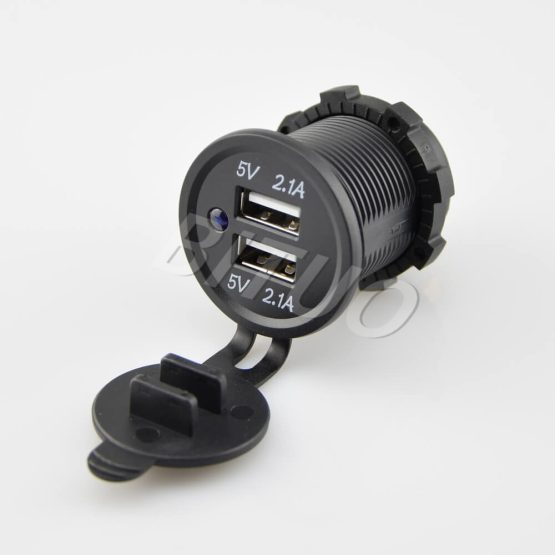
Adaptors for Cigarette Lighter Sockets
One reason cigarette lighter sockets remain useful is the availability of versatile adaptors.
Popular adaptors include:
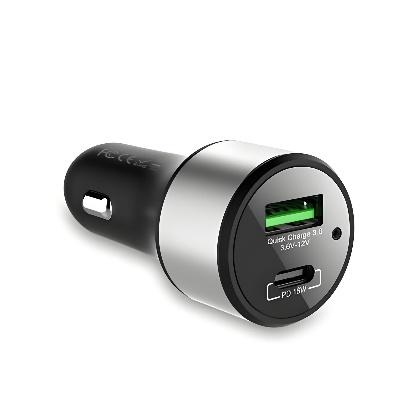
- USB charging adaptors
- Multi-port power splitters
- Bluetooth FM transmitters
- Power inverters
- USB-C fast charging modules
These adaptors allow drivers to convert a standard 12V socket into a multifunctional charging and connectivity hub.
Manufacturers like BITUO ELECTRIC continue to develop reliable automotive power connectors and socket solutions designed for modern vehicle applications.
Alternate Plugs Found in Cars
Besides traditional cigarette lighter sockets, several alternative automotive connector types are also used today.
DIN Connectors
DIN-style power sockets are commonly found in motorcycles and European vehicles. They offer a more secure connection and compact design.
Anderson Connectors
These heavy-duty connectors are often used in industrial vehicles, RV systems, and high-current power applications.
USB-C Automotive Ports
USB-C is rapidly becoming the preferred charging interface for newer consumer electronics because of its fast charging and high data transfer capabilities.
Proprietary Automotive Connectors
Some automakers use custom connector systems for advanced infotainment, charging, or accessory integration.
Conclusion
Cigarette lighter sockets have evolved far beyond their original purpose. What began as a simple in-car lighter has become one of the most widely used automotive power solutions in the world.
Even with the growing popularity of USB and wireless charging technologies, 12V cigarette lighter sockets remain valuable because of their reliability, compatibility, and versatility. From powering essential travel accessories to supporting emergency roadside equipment, these sockets continue to serve an important role in modern vehicles.
As automotive electronics continue to expand, dependable connector and socket manufacturers such as BITUO ELECTRIC will remain essential in delivering high-quality automotive power solutions for both current and future vehicle applications.
FAQs
Q What is a cigarette lighter socket used for today?
Today, a cigarette lighter socket is mainly used as a 12V power outlet. Drivers use it to charge smartphones, power GPS devices, run dash cameras, operate portable air pumps, and connect other in-car electronic accessories.
Q How does a car cigarette lighter socket work?
A car cigarette lighter socket connects to the vehicle’s 12V electrical system. When used as a power outlet, it supplies DC power to compatible devices through an adaptor or plug. Traditional lighter plugs also used this power to heat a metal coil.
Q Is a cigarette lighter socket the same as a 12V power outlet?
In most modern vehicles, yes. Many cars no longer include the actual lighter element, but the socket is still used as a 12V accessory power outlet.
Q Can a cigarette lighter socket charge a phone?
Yes. A cigarette lighter socket can charge a phone when used with a compatible USB or USB-C car charger adaptor.
Q What devices can use a cigarette lighter socket?
Common devices include phone chargers, dash cameras, GPS units, tire inflators, car vacuum cleaners, portable refrigerators, heated travel mugs, LED work lights, and power inverters.
Q Are cigarette lighter sockets being replaced?
They are being supplemented by USB ports, USB-C ports, wireless charging pads, and AC outlets. However, they are not fully replaced because many high-power automotive accessories still depend on 12V sockets.
Q Why is a 12V socket useful in emergencies?
A 12V socket can power emergency tools such as tire inflators, jump starters, warning lights, and portable chargers. This makes it useful for roadside assistance and travel safety.
Q What adaptors can be used with cigarette lighter sockets?
Common adaptors include USB chargers, USB-C fast chargers, multi-port splitters, Bluetooth FM transmitters, and power inverters.